Category
page 11066 deaths
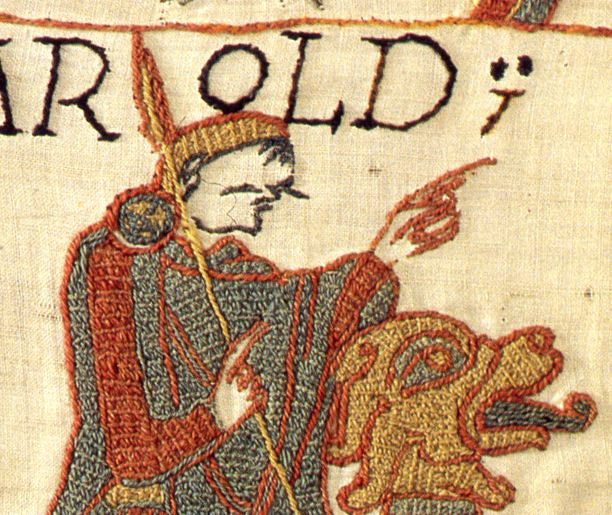
Harold Godwinson
Harold Godwinson, also called Harold II, was the last crowned Anglo-Saxon king of England. Harold reigned from 6 January 1066 until his death at the Battle of Hastings on 14 October 1066, the decisive battle of the Norman Conquest. He was succeeded by William the Conqueror, the victor at Hastings.
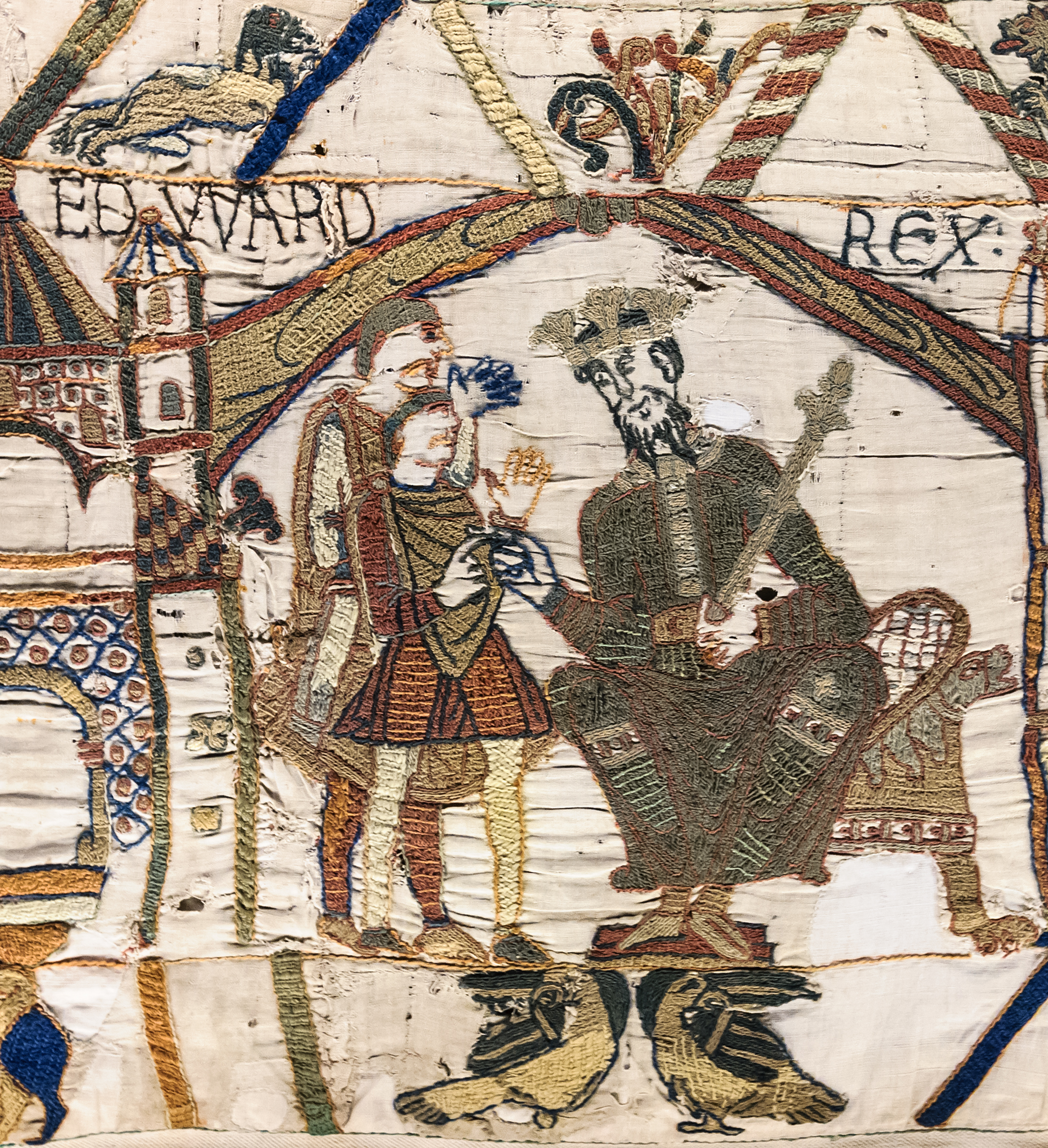
Edward the Confessor
Edward the Confessor was King of the English from 1042 until his death in 1066. He was the last reigning monarch of the House of Wessex.

Harald III of Norway
King of Norway from 1046 to 1066
Tostig Godwinson
Anglo-Saxon Earl

Stenkil
thumb|Windows created by Stenkil's dynasty in Vreta Abbey.
Stenkil (Old Norse: Steinkell; died 1066) was a King of Sweden who ruled c. 1060 until 1066. He succeeded Emund the Old and became the first king from the House of Stenkil. He is praised as a devout Christian, but with an accommodating stance towards the old Pagan religion. His brief reign saw an armed conflict with Norway.
Yahya of Antioch
Melkite Christian physician
Al-Bayhaqi
Abū Bakr Aḥmad ibn al-Ḥusayn ibn ʿAlī ibn Mūsā al-Khusrawjirdī al-Bayhaqī (, 994–1066), also known as Imām al-Bayhaqī, was a Sunni scholar widely known for being the foremost leading hadith master in his age, leading authority in the Shafi'i school, leading authority on the foundation of doctrine, meticulous, a devoted ascetic and one of the notable defenders of the Ash'ari school. Al-Dhahabi said: "Unequalled in his age, unrivalled amongst his peers, and the Ḥāfiẓ of his time."
Conan II, Duke of Brittany
Duke of Brittany
Ibn Butlan
11th-century Arab Christian physician from Baghdad
Su Xun
Song dynasty person (CBDB = 3762)
Gottschalk
prince of the Obotrite confederacy
Gyrth Godwinson
11th-century English earl
Udayadityavarman II
Cambodian king
Bahmanyār
Abu al-Hasan (or Abu al-Husayn) Bahmanyar ibn al-Marzban, better simply known as Bahmanyar (; died 1066) was an Iranian scholar, who is mainly known as one of the most prominent pupils of Avicenna (d. 1037).
Leofwine Godwinson
younger brother of Harold II of England
ʻAlī ibn Ismāʻīl Ibn Sīdah
Arab grammarian
Theobald of Provins
French hermit-saint

Arialdo
Saint Arialdo (c. 1010 – June 27, 1066) is a Christian saint of the eleventh century. He was assassinated because of his efforts to reform the Milanese clergy.
Śrīpati
Śrīpati ( – 1066), also transliterated as Shri-pati, was an Indian astronomer, astrologer and mathematician. His major works include Dhīkotida-karana (1039), a work of twenty verses on solar and lunar eclipses; Dhruva-mānasa (written in 1056), a work of 105 verses on calculating planetary longitudes, eclipses and planetary transits; Siddhānta-śekhara a major work on astronomy in 19 chapters; and Gaṇita-tilaka, an incomplete arithmetical treatise in 125 verses based on a work by Shridhara.

Maria Haraldsdotter
Norwegian princess
Rostislav of Tmutarakan
Rus' prince

Abu Ya'la
11th-century Islamic jurist

Abu al-Hakam al-Kirmani
Philosopher, scholar
Eystein Orre
Norwegian military personnel
Ali as-Sulaihi
sultan of Yemen, Tihamah and Mecca

Herluin de Conteville
French noble
Joseph ibn Naghrela
Spanish rabbi (1035-1066)
John Scotus
Bishop of Mecklenburg
Abu Asim Muhammad ben Ahmad
shāfi'ī judge and jurist
Conrad of Pfullingen
German cleric
Fulk of Vendôme
French noble
Prochorus the Iberian
Georgian saint
Eberhard von Trier
Archbishop of Trier
Cresconius
Roman Catholic bishop