Category
page 11900s fashion

Pickelhaube
thumb|Bavarian Officer Pickelhaube
thumb|right|Prussian police leather Pickelhaube
pith helmet
lightweight cloth-covered helmet

bustle
thumb|250px|Bustle, lady's undergarment, England, c. 1885. Los Angeles County Museum of Art M.2007.211.399
A bustle is a padded undergarment or wire frame used to add fullness, or support the drapery, at the back of women's dresses in the mid-to-late 19th century. Bustles are worn under the skirt in the back, just below the waist, to keep the skirt from dragging. Heavy fabric tended to pull the back of a skirt down and flatten it. As a result a woman's petticoated skirt would lose its shape during everyday wear (from merely sitting down or moving about).
Gibson Girl
fashion archetype
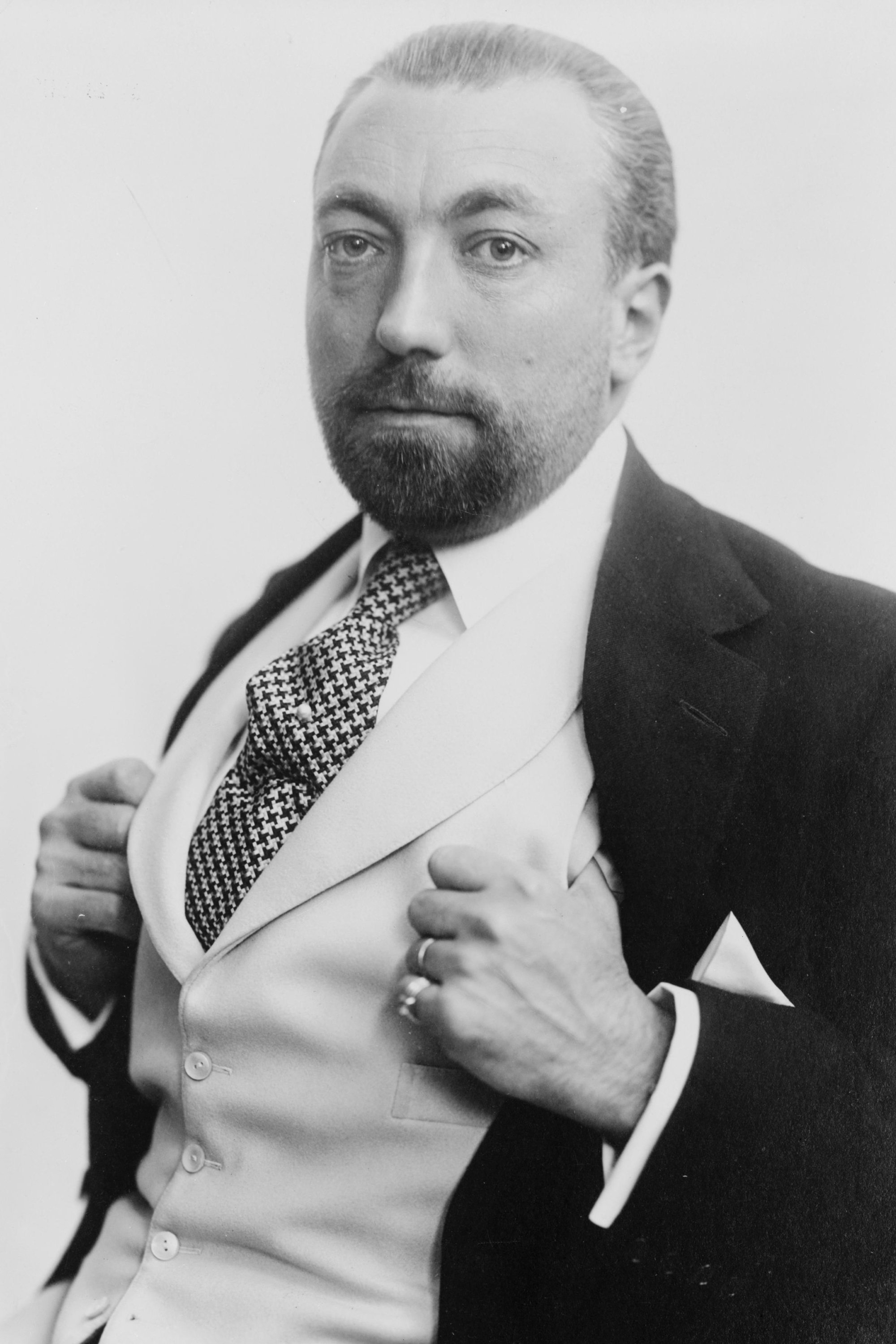
Paul Poiret
French fashion designer (1879–1944)
strapless dress
dress without straps or sleeves, usually with a fitted bodice

deerstalker
thumb|250px|right|A deerstalker
Victorian fashion
fashions and trends in British culture during the Victorian era
bucket hat
cloth hat with a downward-sloping brim
pork pie hat
style of hat
%20crop.jpg)
pageboy
thumb|225px|A mid-1970s example of the pageboy haircut.
The pageboy or page boy is a hairstyle named after what was believed to be the haircut of a late medieval page boy. It has straight hair hanging to below the ear, where it usually turns under. There is often a fringe (bangs) in the front. This style was popular in the mid-to-late 1970s and 1980s.
Callot Soeurs
French fashion house
dress boot
short leather boots
newsboy cap
eight-panel cap
1900s in Western fashion
fashion in the decade 1900-1910
engageante
thumb|upright=0.9|right|Eleanor Frances Dixie by Henry Pickering, painted . Sack-back gown worn with embroidered lawn engageantes.
thumb|upright=0.9|right|Fashions of 1861 show linen or cotton engageantes worn under pagoda sleeves.
Delphos gown
type of pleated woman's dress