Category
page 11920s fashion

cardigan
type of knitted garment that has an open front

polo shirt
shirt with a collar

fedora
thumb|upright=1.2|A fedora made by Borsalino, with a pinch-front teardrop-shaped crown
thumb|A fedora made by Borsalino with a gutter-dent, side-dented crown, the front of the brim "snapped down" and the back "snapped up"
little black dress
black evening or cocktail dress

flapper
Flappers were a subculture of young Western women prominent after the First World War and through the 1920s who wore knee-length skirts (considered short during that period), bobbed their hair, listened to jazz, and flaunted their disdain for prevailing codes of decent behavior. Flappers have been seen as brash for wearing excessive makeup, drinking alcohol, smoking cigarettes in public, driving automobiles, treating sex in a casual manner, and otherwise flouting social and sexual norms. As automobiles became more available, flappers gained freedom of movement and privacy.

galoshes
thumb|right|Slip-on galoshes
thumb|Russian-style galoshes with valenki
Galoshes are a type of overshoe or rubber boot that is put on over shoes to keep them from getting muddy or wet during inclement weather. They come in both low cut and high, and in both slip-on and buckle-front versions.
pith helmet
lightweight cloth-covered helmet
Chuck Taylor All-Stars
canvas and rubber shoes
Lee
American brand of denim jeans
Brodie helmet
Steel combat helmet

keikogi
(, 'practice', , 'dress' or 'clothes'), also known as or , is a traditional uniform worn for training in Japanese martial arts and their derivatives. Emerging in the late 19th century, the was developed by judo founder Kanō Jigorō.
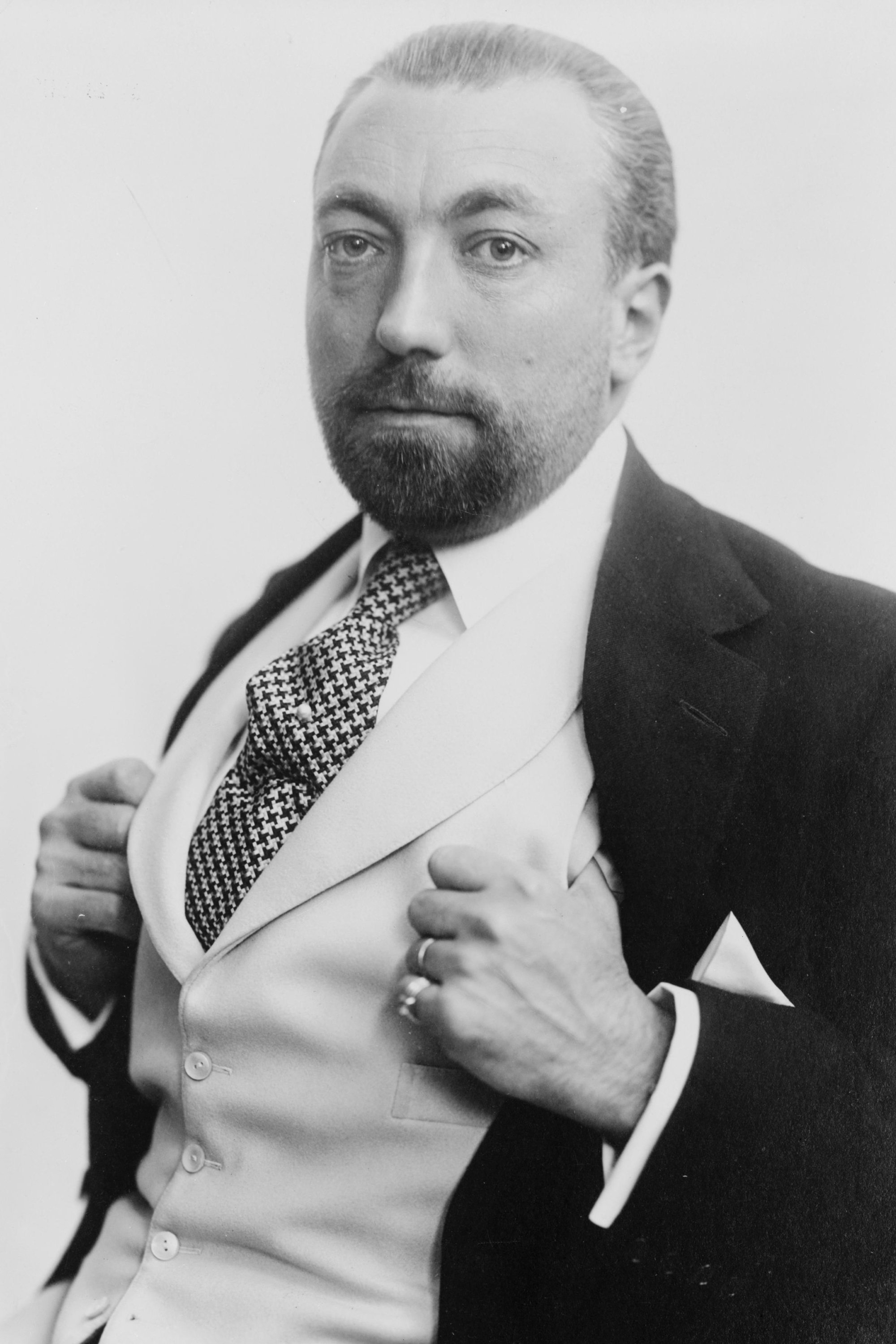
Paul Poiret
French fashion designer (1879–1944)

boater
__NOTOC__
thumb|Straw boater
thumb|right|Athlete and manager Connie Mack sporting a boater in 1911
homburg
soft felt hat with the crown dented lengthwise and a slightly rolled brim
cloche
close-fitting hats with a bell-shaped crown

seersucker
thumb|Blue and white is a common seersucker color combination.
strapless dress
dress without straps or sleeves, usually with a fitted bodice

trilby
thumb|Leonard Cohen wearing a trilby
A trilby is a narrow-brimmed type of hat. The trilby was once viewed as the rich man's favored hat; it is sometimes called the "brown trilby" in Britain and was frequently seen at the horse races.

deerstalker
thumb|250px|right|A deerstalker
bucket hat
cloth hat with a downward-sloping brim
modern girl
westernized Japanese women during the Interwar period

Keds
Keds is an American brand known for its canvas shoes with rubber soles. Founded in 1916 by U.S. Rubber, its original shoe design was the first mass-marketed canvas-top sneaker. The brand was sold to Stride Rite in 1979, which was acquired by Wolverine World Wide in 2012.
Uniforms and insignia of the Schutzstaffel
used for the Nazi paramilitary ranks of the Schutzstaffel (SS)
pork pie hat
style of hat
%20(cropped).jpg)
pantsuit
thumb|Hillary Clinton wearing a pantsuit at a 2016 campaign rally.
A pantsuit, also known as a trouser suit outside the United States, is a woman's suit of clothing consisting of pants and a matching or coordinating coat or jacket.
hobble skirt
Type of skirt with a narrow hem
Callot Soeurs
French fashion house
newsboy cap
eight-panel cap
devoré
thumb|Devoré – or burnout technique – applied to green velvet fabric
Devoré (also called burnout) is a fabric technique particularly used on velvets, where a mixed-fibre material undergoes a chemical process to dissolve the cellulose fibres to create a semi-transparent pattern against more solidly woven fabric. The same technique can also be applied to textiles other than velvet, such as lace or the fabrics in burnout t-shirts.
girdle
thumb|right|A Christian (Anglicanism|Anglican) [[priest wearing a white girdle around his waist to hold his alb and stole in place.]]
A belt without a buckle, especially if a cord or rope, is called a girdle in various contexts, especially historical ones, where girdles were a very common part of everyday clothing from antiquity until perhaps the 15th century, especially for women. Most girdles were practical pieces of costume to hold other pieces in place, but some were loose and essentially for decoration. Among the elite these might include precious metals and jewels.
1920s in Western fashion
fashion in the 1920s
spectator
shoe made up in two contrasting colors or materials
marcelling
thumb|François Marcel marcelling his wife's hair, 1922
House of Schiaparelli
French fashion house
Šubara
thumb|Civil šubaras worn by the members of the Serbian folklore group in Düsseldorf (2014)
The šubara () is a type of traditional male winter hat used mostly by the Serbs, but also Macedonians and Janjevci in their folk attire. It is in a conical or cylindrical shape predominantly in black colour, because of the black lamb/sheep fur (woollen). The šubara is a traditional peasant hat used in harsher and colder times.
horn-rimmed glasses
type of eyeglasses
Fu Manchu moustache
style of facial hair
male short haircut
any haircut worn by boys or men with the head hair cut close to the ears, usually without letting it cover the ears, just to have hair to comb on top of the head