Category
page 11966 in spaceflight

Neil Armstrong
Neil Alden Armstrong was an American astronaut and aeronautical engineer who, as the commander of the 1969 Apollo 11 mission, became the first person to walk on the Moon. He was also a naval aviator, test pilot and university professor.

Buzz Aldrin
Buzz Aldrin is an American former astronaut, aeronautical engineer, and fighter pilot. He was the second person to walk on the Moon after mission commander Neil Armstrong. He made three spacewalks as pilot of the 1966 Gemini 12 mission, and was the Lunar Module Eagle pilot on the 1969 Apollo 11 mission. Following the deaths of Armstrong in 2012 and pilot Michael Collins in 2021, he is the last surviving Apollo 11 crew member. Following Jim Lovell's death in 2025, Aldrin became the oldest living astronaut.
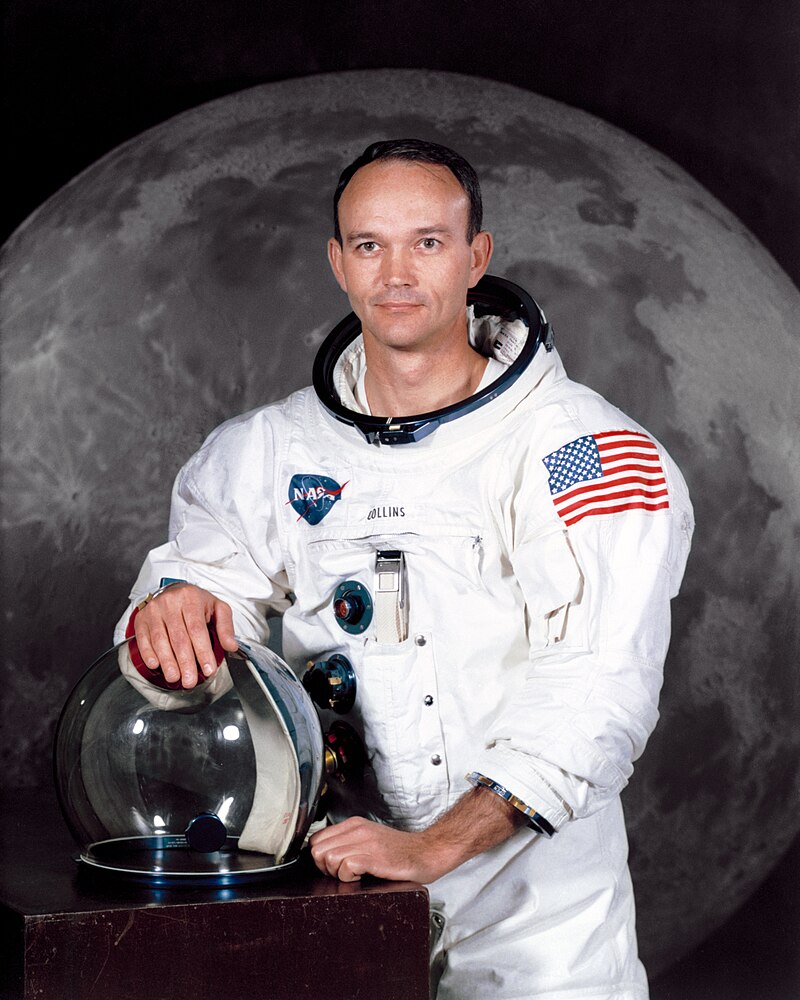
Michael Collins
American astronaut (1930–2021)

Jim Lovell
James Arthur Lovell Jr. was an American astronaut, naval aviator, test pilot, and mechanical engineer. In 1968, as command module pilot of Apollo 8, he, along with Frank Borman and William Anders, became one of the first three astronauts to fly to and orbit the Moon. He then commanded the Apollo 13 lunar mission in 1970 which, after a critical failure en route, looped around the Moon and returned safely to Earth.
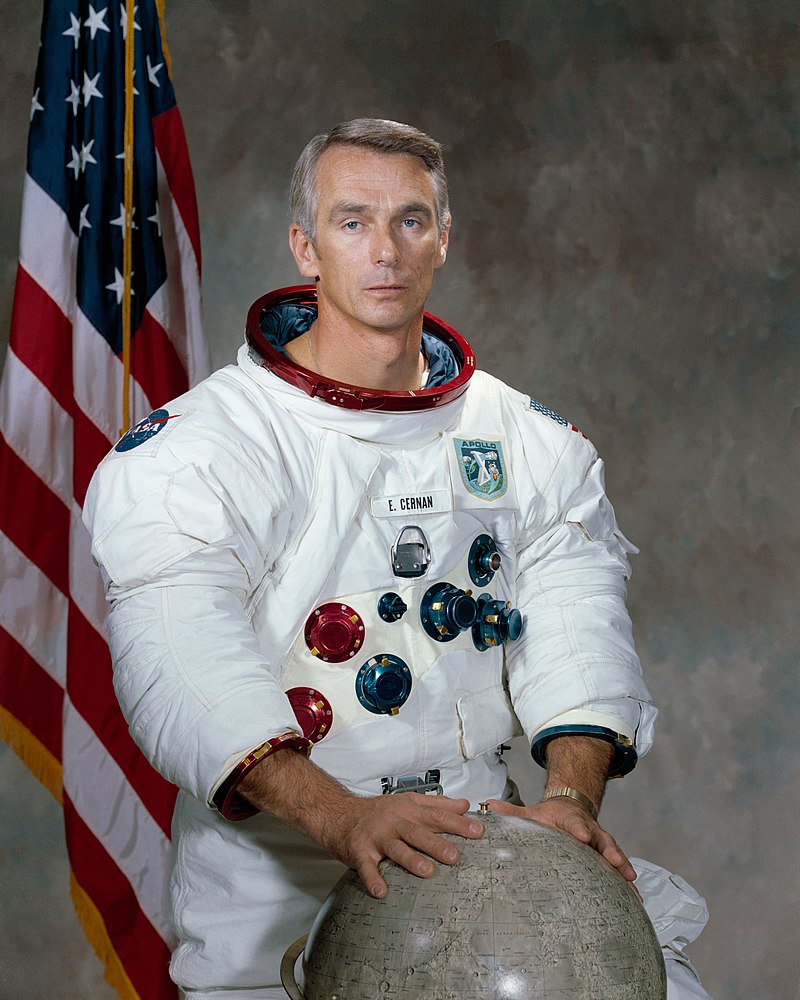
Eugene Cernan
NASA astronaut, Naval aviator, aeronautical engineer, electrical engineer, fighter pilot, eleventh human to walk on the Moon (Apollo 10 and Apollo 17)

John Young
American astronaut, naval officer, test pilot and aeronautical engineer (1930–2018)

David Scott
American engineer, retired U.S. Air Force officer, former test pilot, and former NASA astronaut (born 1932)

Thomas P. Stafford
American astronaut (1930–2024)

Richard F. Gordon
American astronaut (1929–2017)
Saturn IB
American launch vehicle

AS-202
AS-202 (also referred to as SA-202 or Apollo 2) was the second uncrewed, suborbital test flight of a production Block I Apollo command and service module launched with the Saturn IB launch vehicle. It was launched on August 25, 1966, and was the first flight which included the spacecraft guidance, navigation control system and fuel cells. The success of this flight enabled the Apollo program to judge the Block I spacecraft and Saturn IB ready to carry men into orbit on the next mission, AS-204.
Orbiting Astronomical Observatory
series of four space observatories launched between 1966 and 1972
.jpg)
AS-201
AS-201 (Also known as SA-201, Apollo 1-A, or Apollo 1 prior to the 1967 pad fire, flown February 26, 1966, was the first uncrewed test flight of an entire production Block I Apollo command and service module and the Saturn IB launch vehicle. The spacecraft consisted of the second Block I command module and the first Block I service module. The suborbital flight was a partially successful demonstration of the service propulsion system and the reaction control systems of both modules, and successfully demonstrated the capability of the command module's heat shield to survive re-entry from low Ea
SM-65 Atlas
family of American intercontinental ballistic missiles; first operational ICBM
Kosmos 110
Soviet spacecraft
Soyuz
first version of the Soyuz launch vehicle
Agena Target Vehicle
modified Agena-D rocket used as a test and training target in Project Gemini missions
A-004
A-004 was the sixth and final test of the Apollo launch escape vehicle and the first flight of a Block I production-type Apollo Command/Service Module.
1966 in spaceflight
overview of spaceflight-related events during the year of 1966
NASA Astronaut Group 5
5th group of NASA astronauts
Biosatellite 1
satellite
Environmental Research Satellite
family of artificial satellites launched in the 1960s run by the USAF
1966 NASA T-38 crash
aviation accident