Category
page 11982 German films
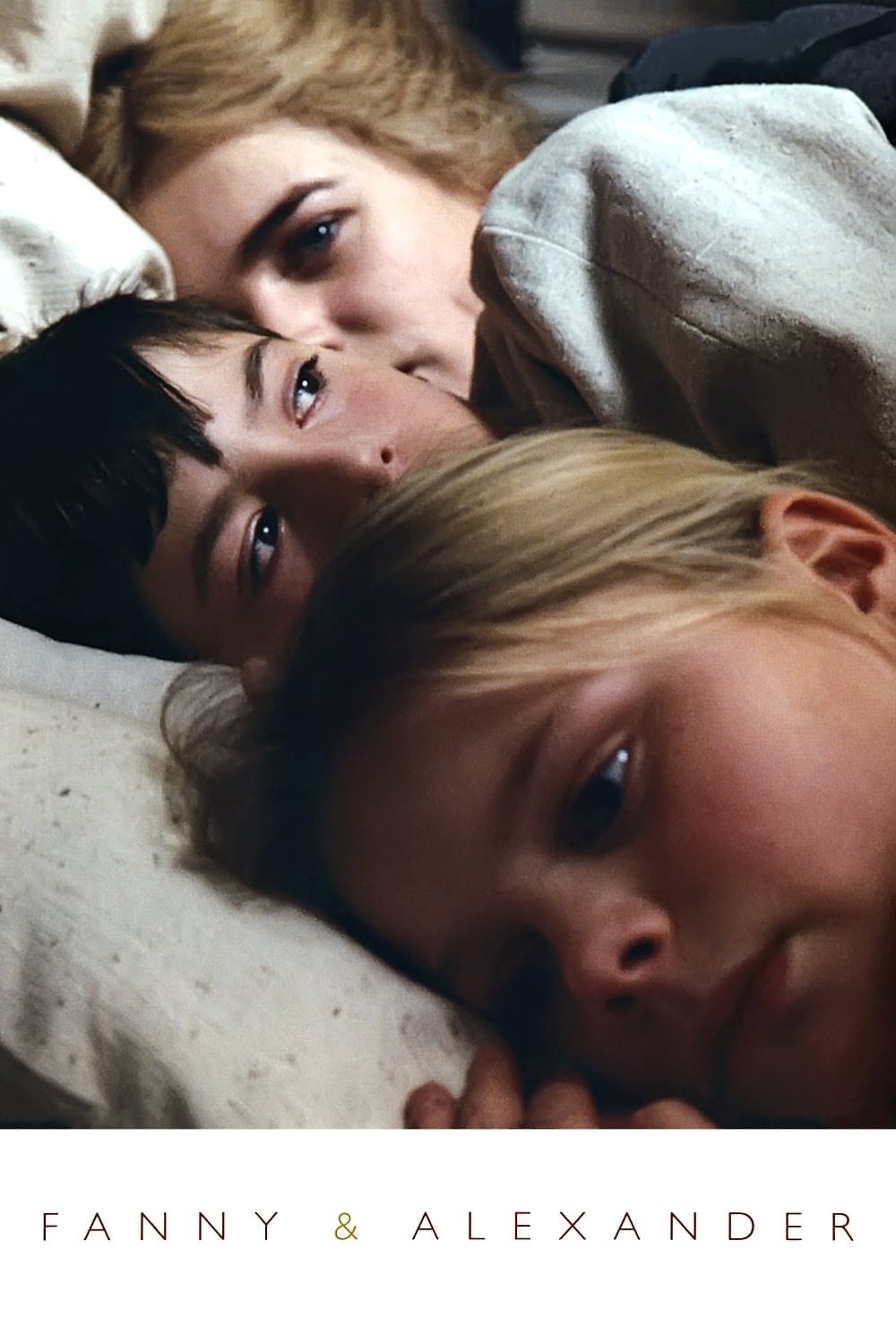
Fanny and Alexander
1982 film by Ingmar Bergman

Fitzcarraldo
Fitzcarraldo () is a 1982 epic adventure-drama film written, produced, and directed by Werner Herzog. The film stars Klaus Kinski as Brian Sweeney Fitzgerald, an Irish would-be rubber baron known in Peru as "Fitzcarraldo", who is determined to transport a steamship over the Andes mountains to access a rich rubber territory in the Amazon basin, with the ultimate goal of using the wealth to build an opera house in the area. The character was inspired by Peruvian rubber baron Carlos Fitzcarrald, who once had a disassembled steamboat transported over the Isthmus of Fitzcarrald by natives.
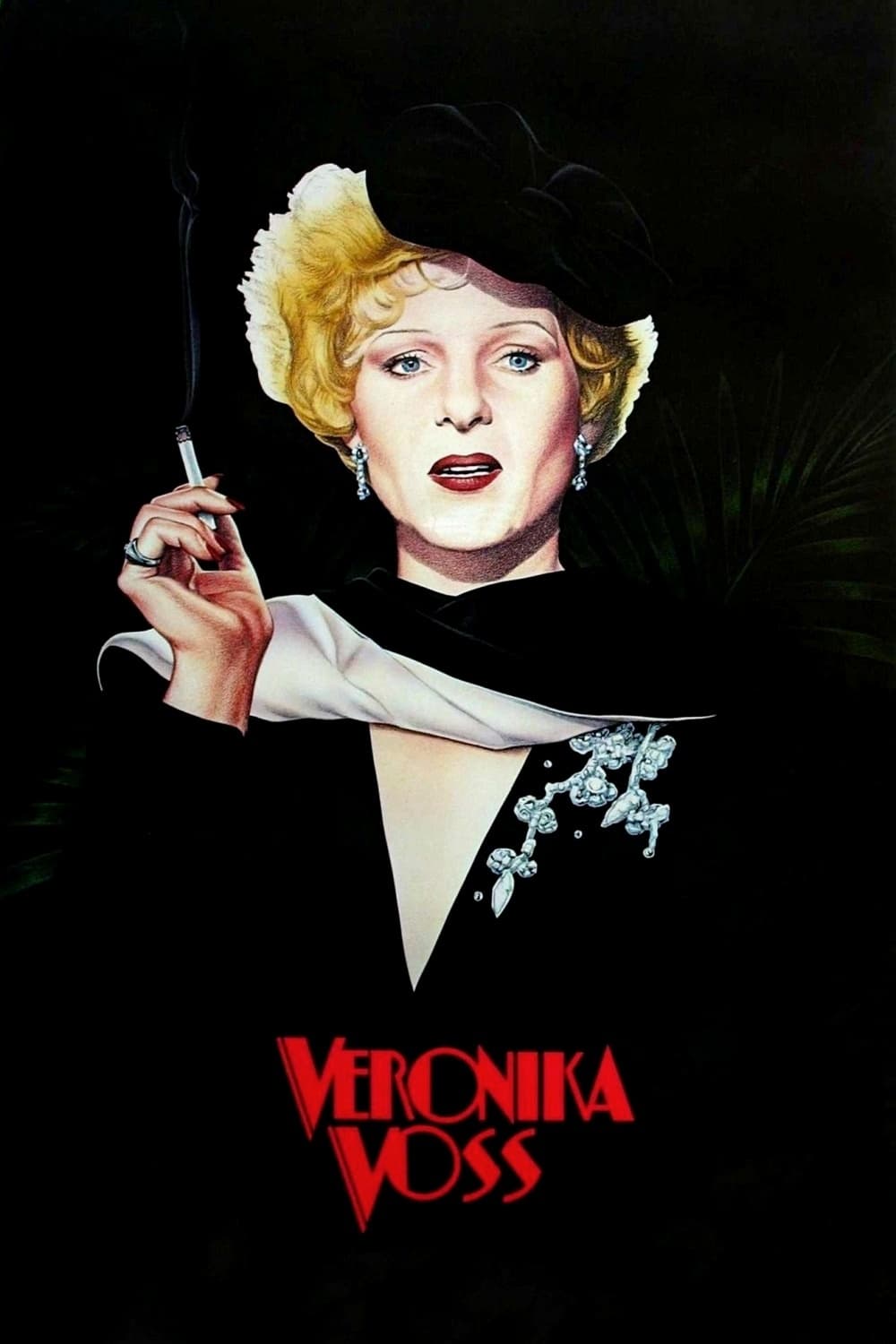
Veronika Voss
1982 film by Rainer Werner Fassbinder
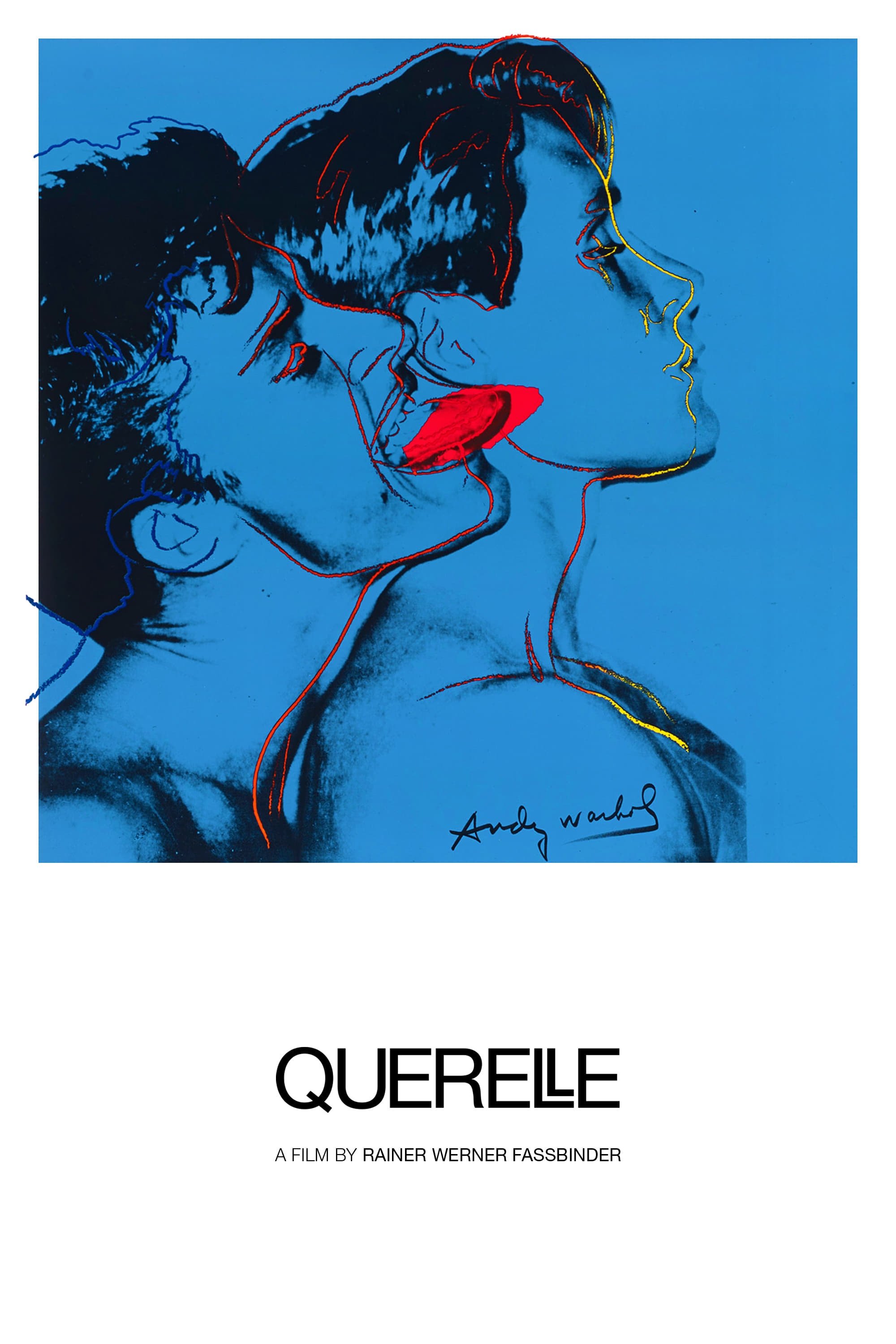
Querelle
Querelle is a 1982 English-language erotic art film directed by Rainer Werner Fassbinder. The film stars Brad Davis and was adapted from French author Jean Genet's 1947 novel Querelle of Brest. The plot centers on the Belgian sailor Georges Querelle, who is both a thief and murderer. It was Fassbinder's last film, released shortly after his death at the age of 37.
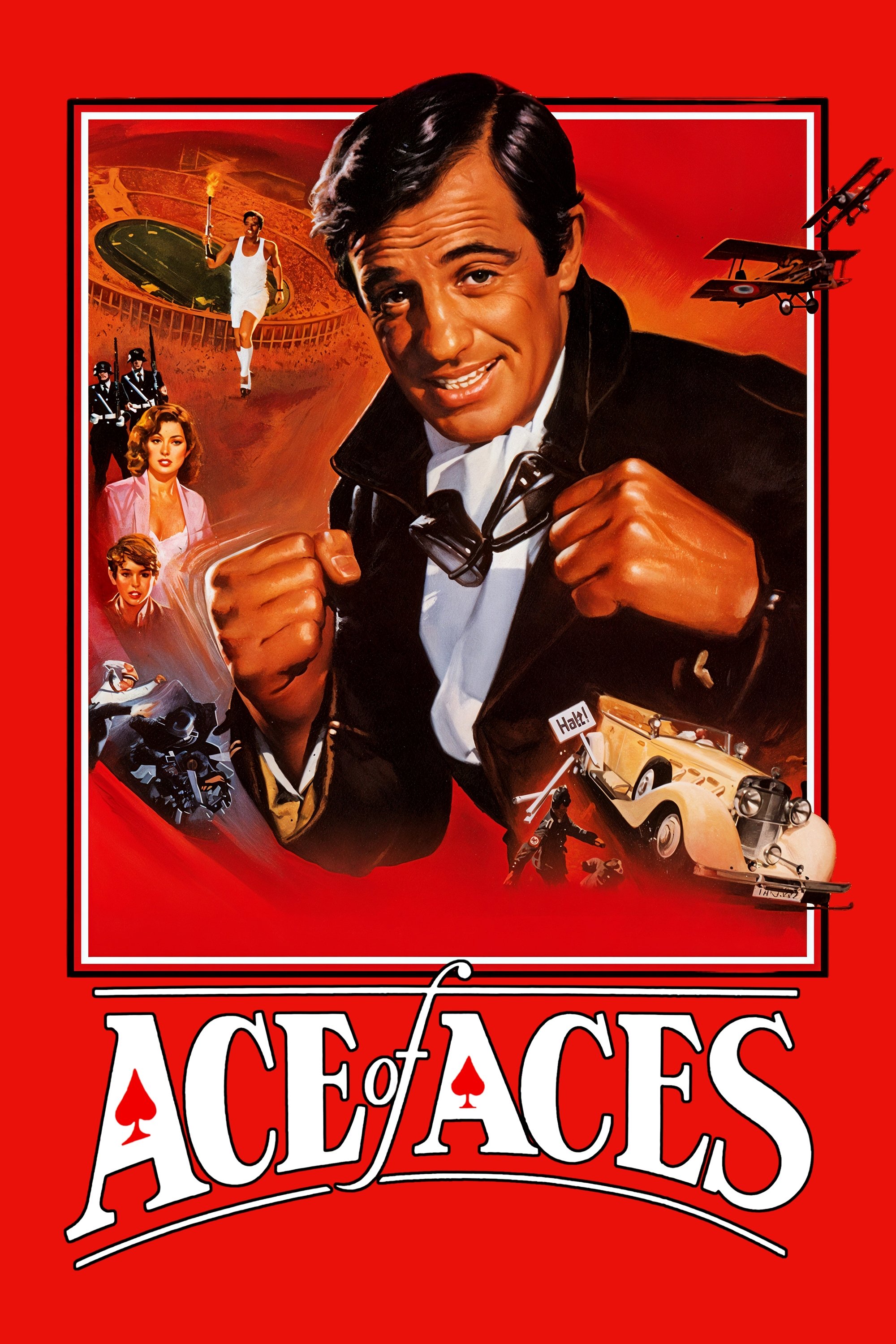
Ace of Aces
1982 film by Gérard Oury

The Beastmaster
1982 fantasy film directed by Don Coscarelli

Flight of the Eagle
1982 film
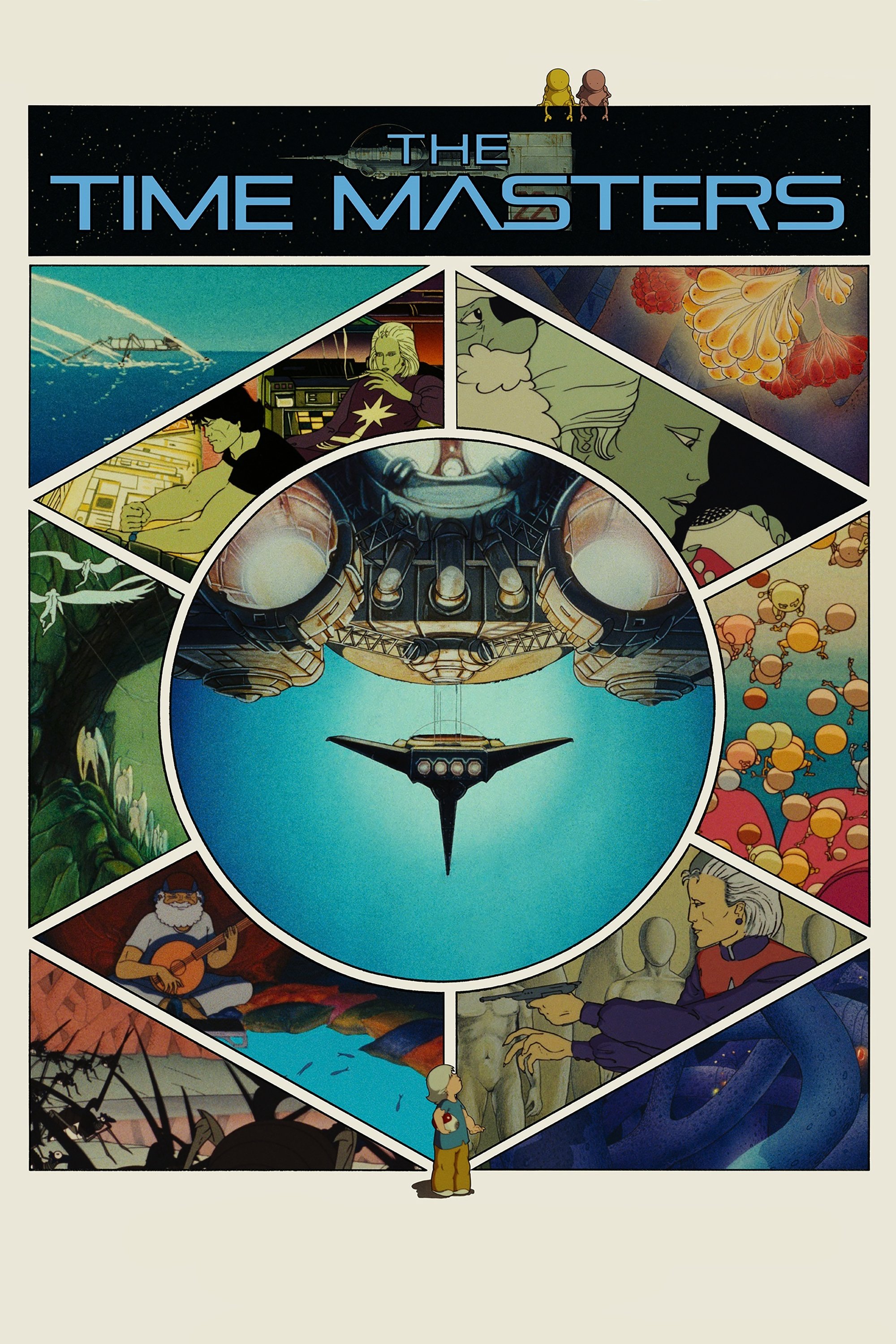
The Time Masters
1982 animated feature film directed by René Laloux

Room 666
1982 film by Wim Wenders
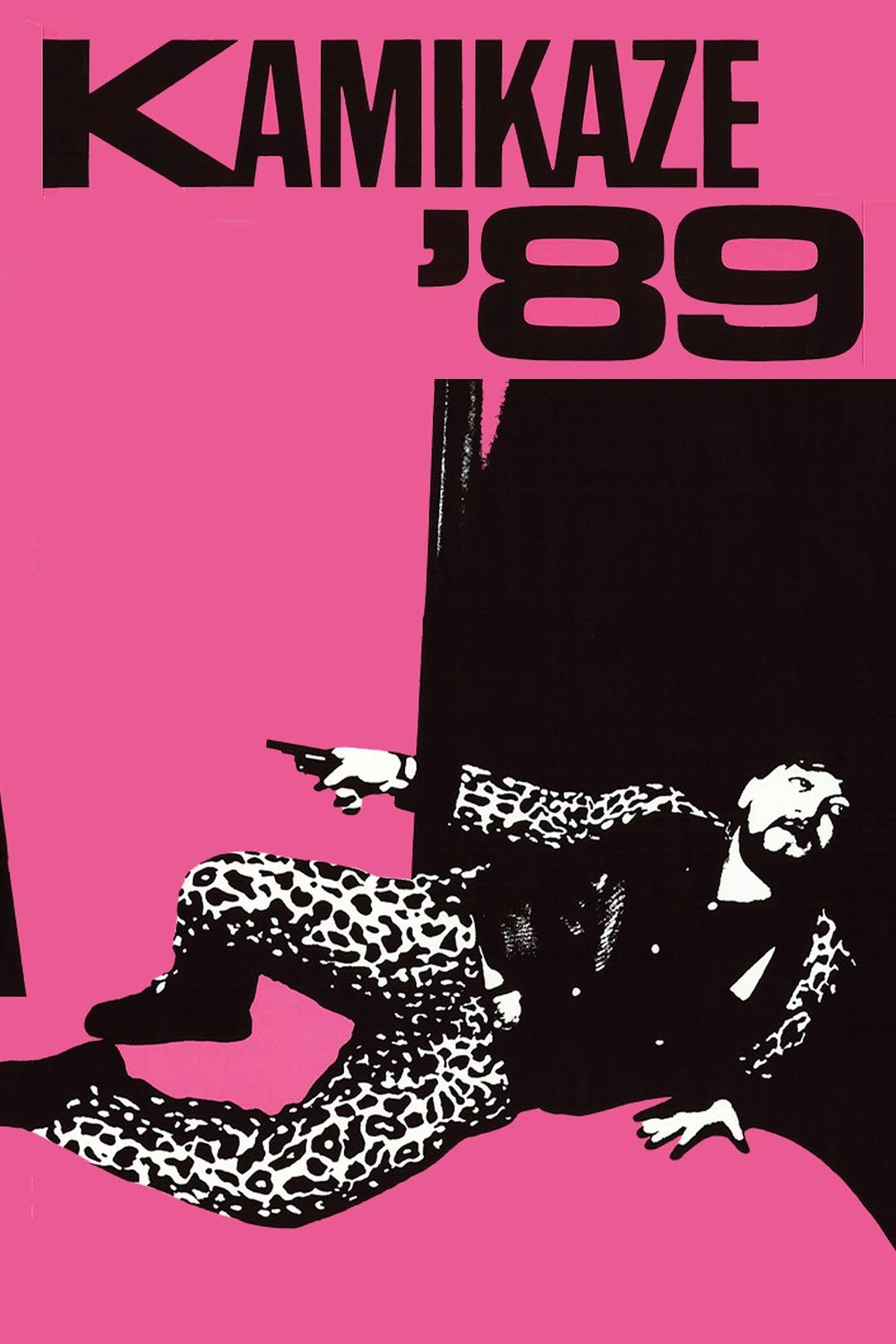
Kamikaze 1989
1982 film by Wolf Gremm
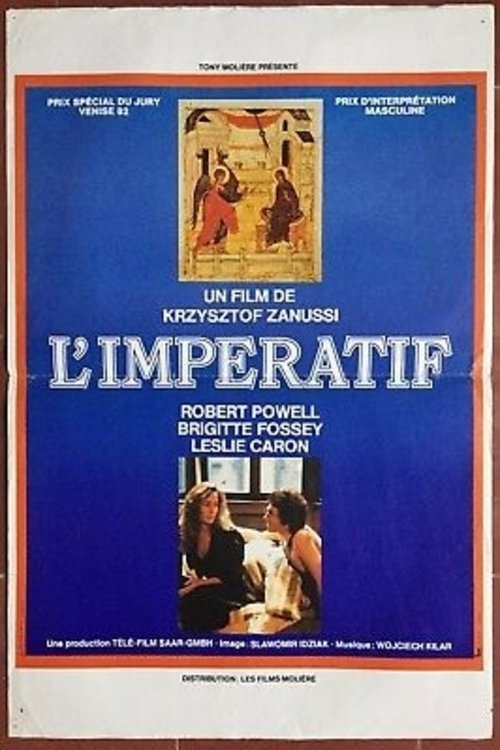
Imperative
1982 film by Krzysztof Zanussi
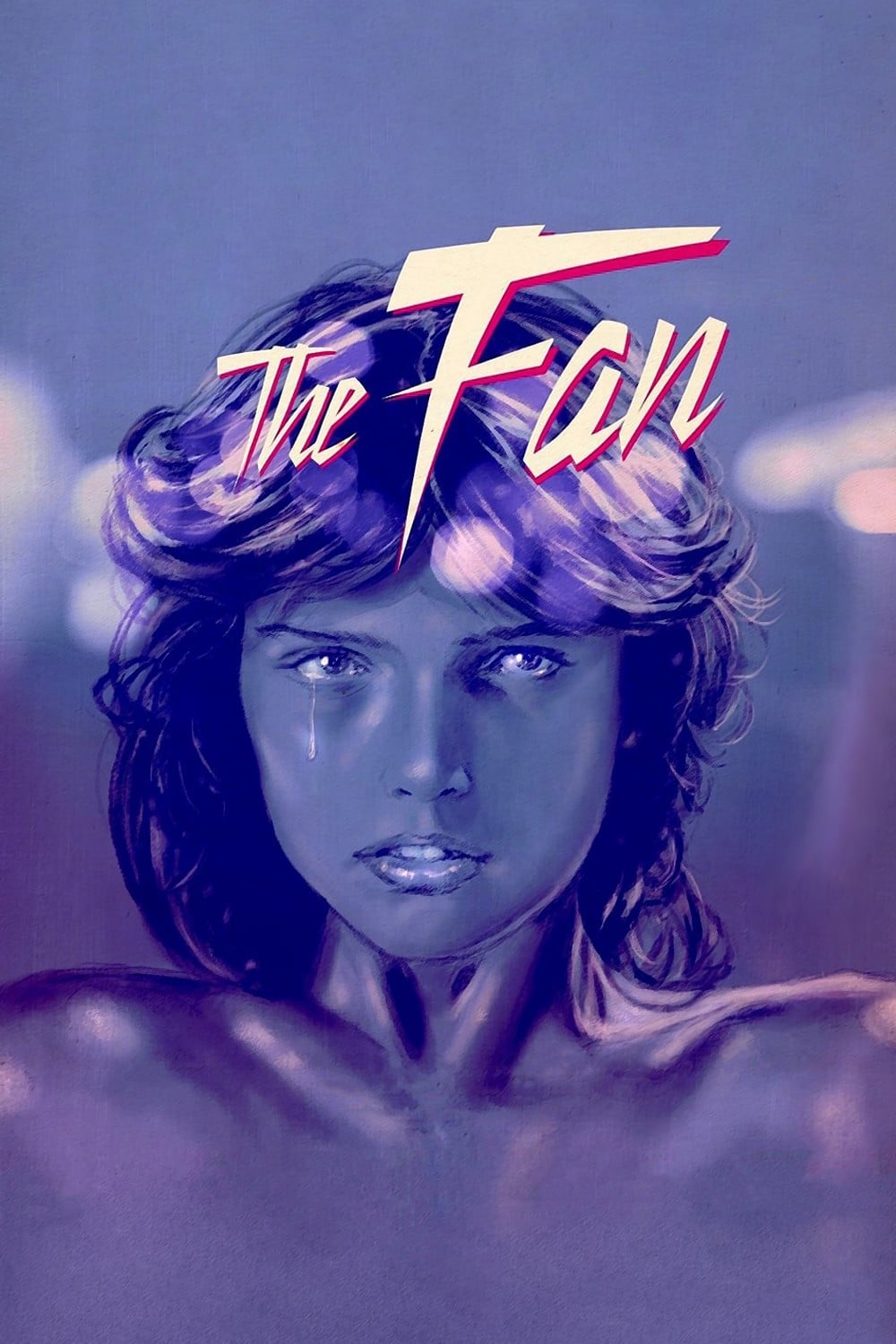
Der Fan
1982 film by Eckhart Schmidt
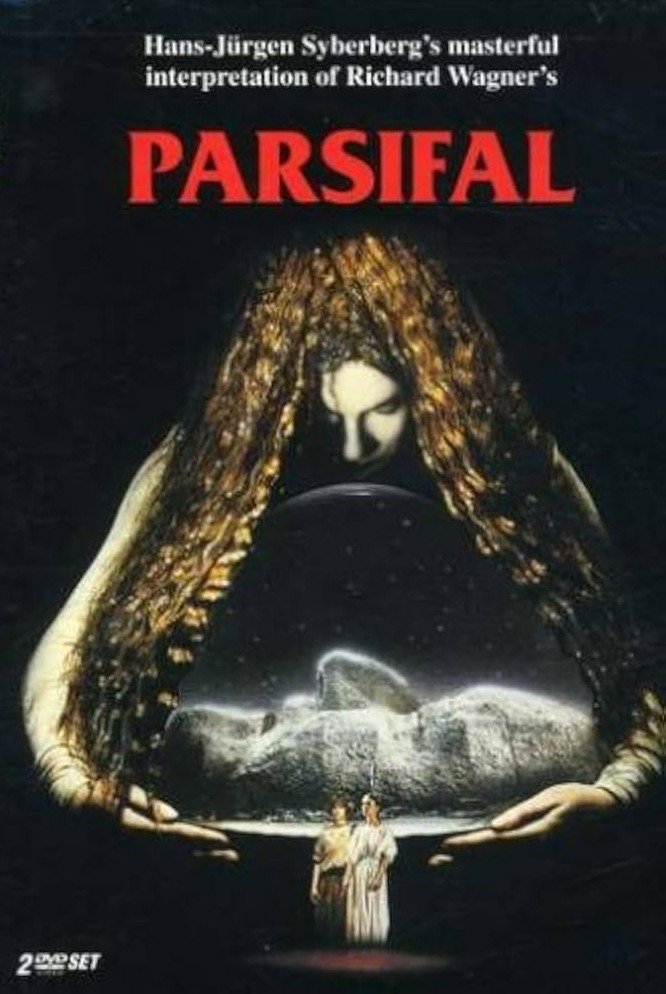
Parsifal
1982 film by Hans-Jürgen Syberberg
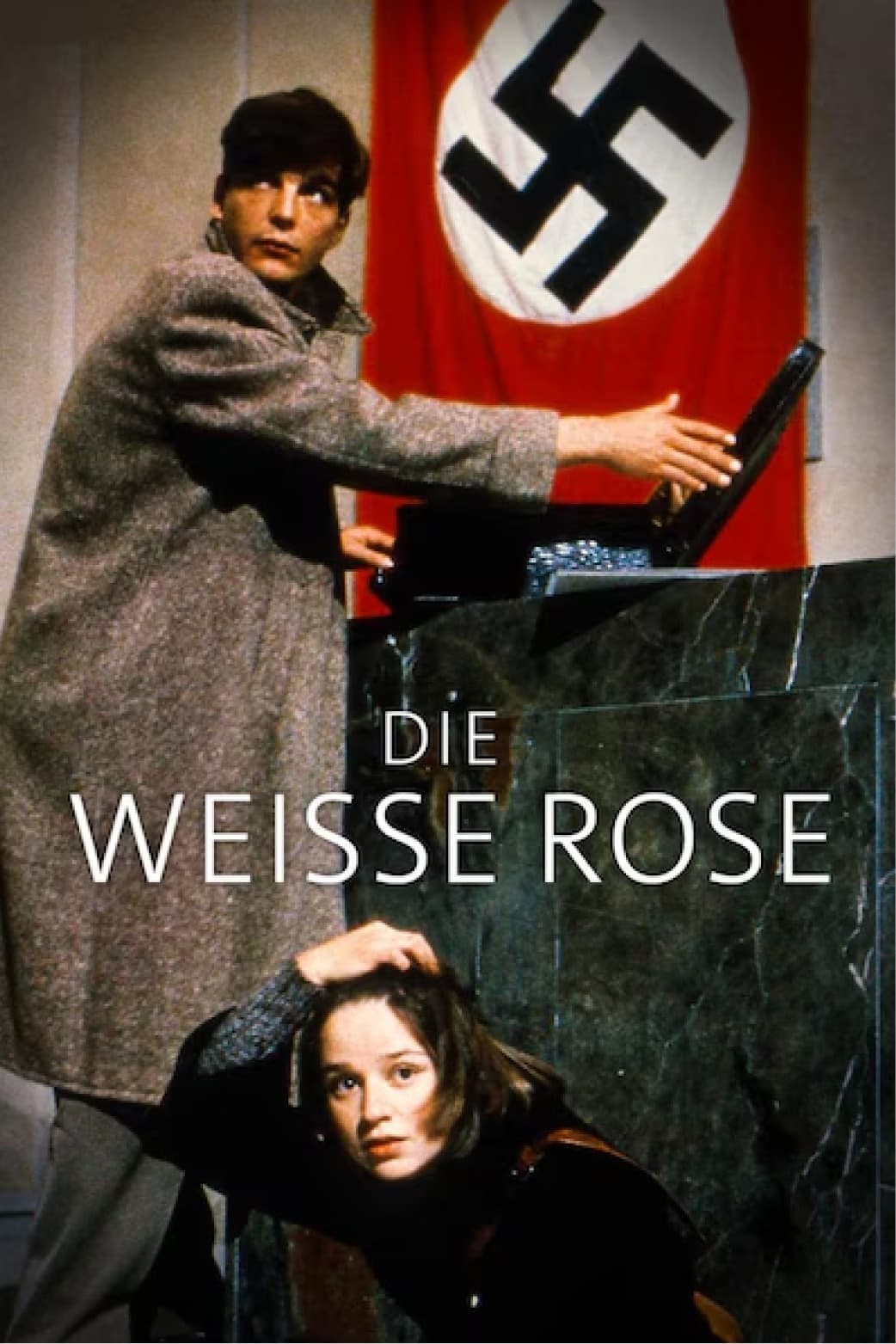
Die Weiße Rose
1982 film by Michael Verhoeven
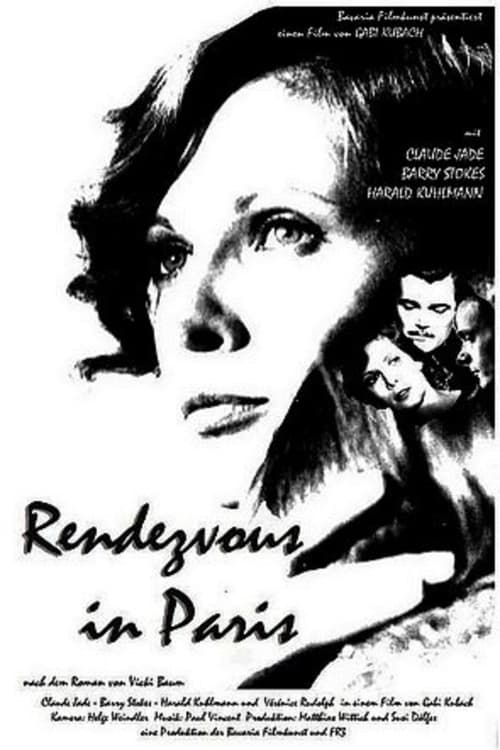
Rendezvous in Paris
1982 Franco-German film directed by Gabi Kubach
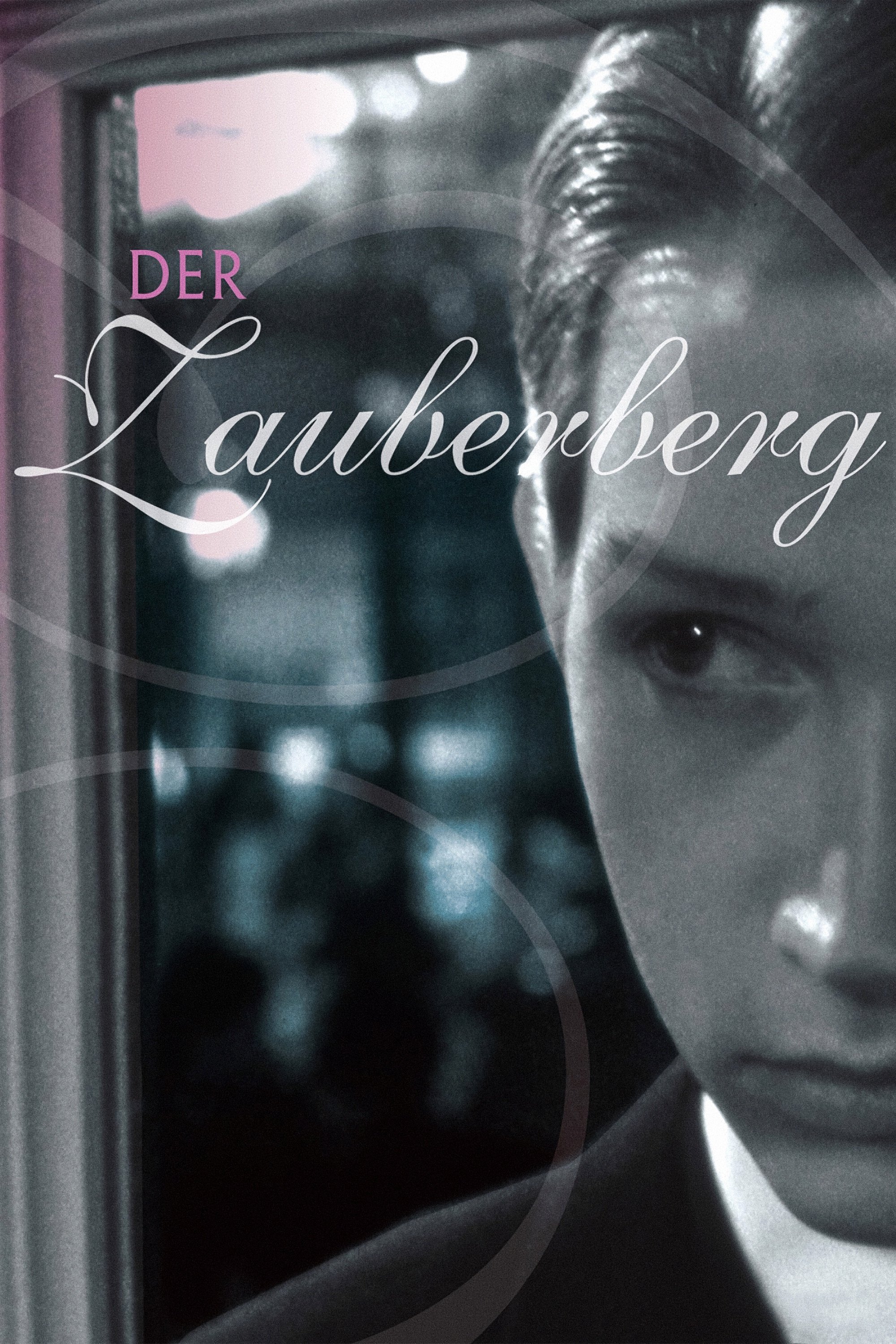
The Magic Mountain
1982 film by Hans W. Geißendörfer

Wir
1982 film by Vojtěch Jasný
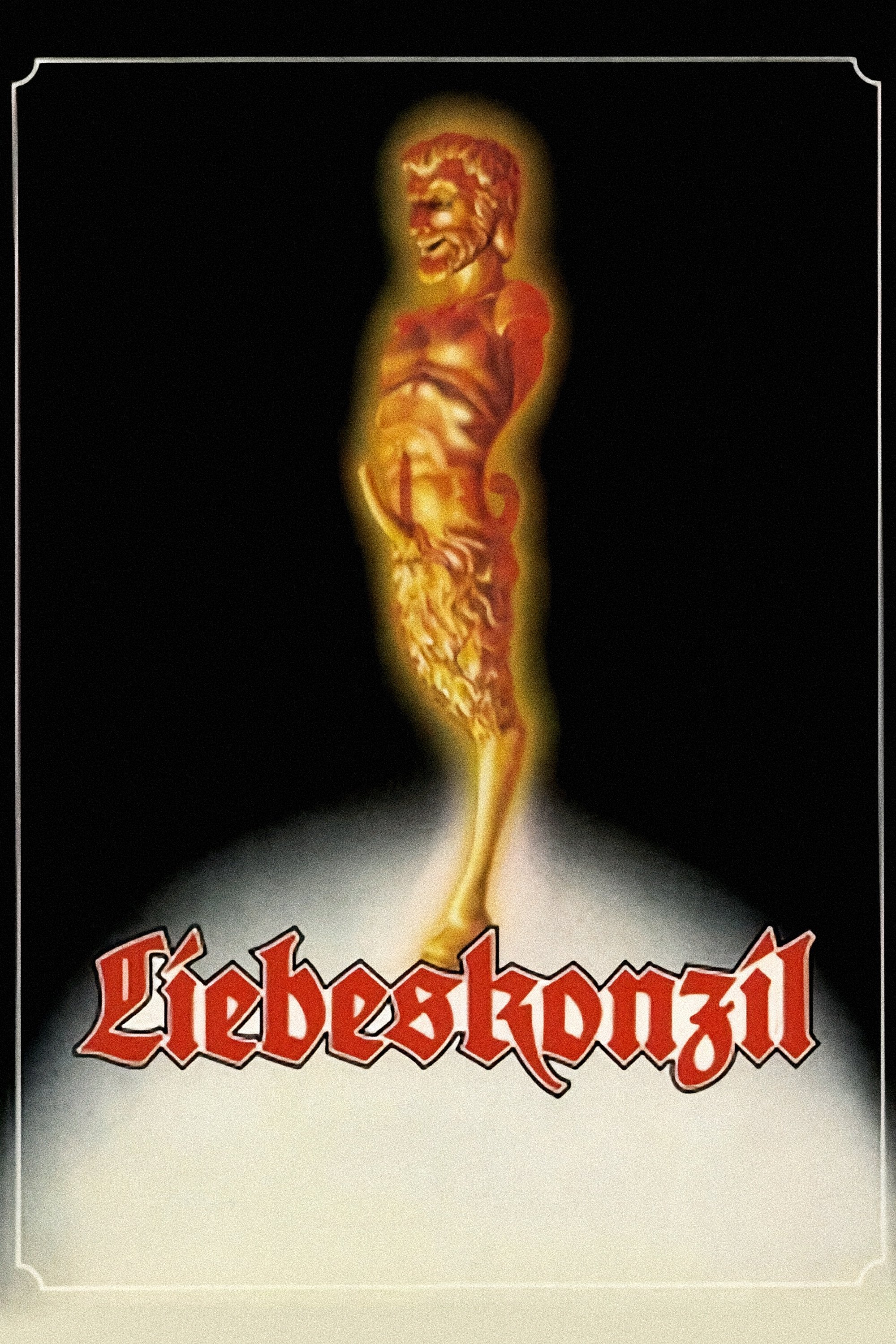
Liebeskonzil
Liebeskonzil is a 1982 film by Werner Schroeter, based on an 1894 play by Oskar Panizza. It was banned by the Austrian government in 1985, on the grounds that it insulted the Christian religion. In 1994, in the case of Otto-Preminger-Institut v. Austria, the European Court of Human Rights held by 6 votes to 3 that the banning of the film was a justifiable limitation on the freedom of expression, because the film would offend Austrian Roman Catholics. Panzizzi's original work had also led its author to face blasphemy charges in the nineteenth century.