Category
page 119th-century murdered monarchs

Alexander II of Russia
The 12th Emperor of Russia (1855–1881)

Shaka Zulu
Shaka kaSenzangakhona ( – 24 September 1828), also known as Shaka (the) Zulu () and Sigidi kaSenzangakhona, was the king of the Zulu Kingdom from 1816 to 1828. One of the most influential monarchs of the Zulu, he ordered wide-reaching reforms that reorganized the military into a formidable force.
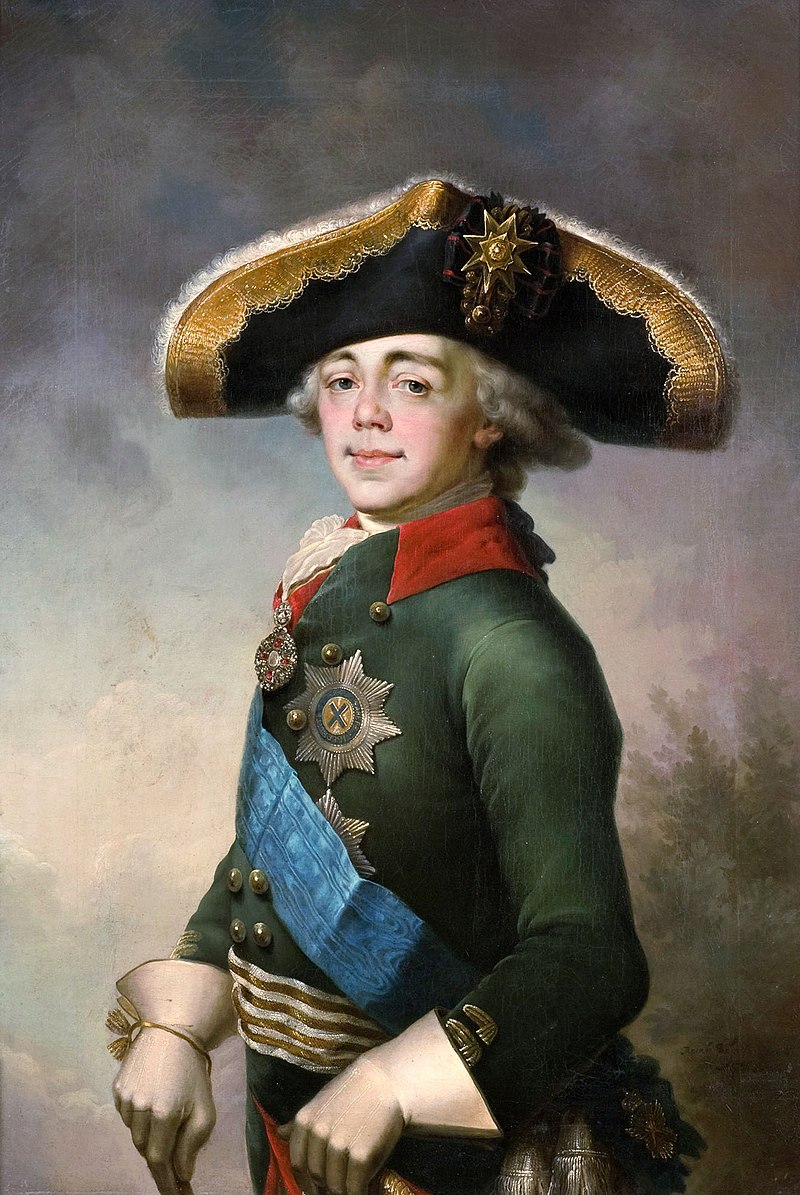
Paul I of Russia
The ninth Emperor of Russia (1796–1801)

Umberto I of Italy
king of Italy (1844-1900)

Selim III
28th Sultan of the Ottoman Empire (1789–1807)

Naser al-Din Shah Qajar
Shah of Qajar Iran from 1848 to 1896

Jean-Jacques Dessalines
Leader of Haitian Revolution and first ruler of independent Haiti (1758-1806)

Karađorđe
Đorđe Petrović (; ; – ), known by the sobriquet Karađorđe (; ), was a Serbian revolutionary leader who led a struggle against the Ottoman Empire during the First Serbian Uprising. Karađorđe Petrović held the title of Grand Vožd of Serbia from 14 February 1804 to 3 October 1813.

Shah Shujah Durrani
Emir of Afghanistan (1839-1842) and ruler of the Durrani Empire (1803-1809)

Mihailo Obrenović III
Prince of Serbia (1823-1868)
Danilo I, Prince of Montenegro
Prince of Montenegro (1826–1860); ruled 1851–1860
Radama II
King of Madagascar

Dingane kaSenzangakhona
Dingane KaSenzangakhona Zulu (–29 January 1840), commonly referred to as Dingane, Dingarn or Dingaan, was a Zulu prince who became king of the Zulu Kingdom in 1828, after assassinating his half-brother Shaka Zulu. He set up his royal capital, uMgungundlovu, translated to "Place of the Elephant" or "elephant swallower". He also constructed one of numerous military encampments, or kraals, in the eMakhosini Valley just south of the White Umfolozi River, on the slope of Lion Hill (Singonyama).
Carlo III, Duke of Parma
Duke of Parma and Piacenza from 1849 to 1854

Gezo
thumb|The Royal flag of Ghezo
Ghezo, also spelled Gezo, was King of Dahomey (present-day Republic of Benin) from 1818 until 1858. Ghezo replaced his brother Adandozan (who ruled from 1797 to 1818) as king through a coup with the assistance of the Brazilian slave trader Francisco Félix de Sousa. He ruled over the kingdom during a tumultuous period, punctuated by the British blockade of the ports of Dahomey in order to stop the Atlantic slave trade.
Abdulaziz bin Mohammed
ruler of the Emirate of Diriyah from 1765 to 1803
Abdullah bin Saud Al Kabeer
fourth ruler of the Saudi State (1785-1818)
Turki bin Abdullah Al Saud
5th King of the Saudi State
Scarlat Callimachi
Prince of Moldavia and Wallachia
Alexander Mourousis
Prince of Moldavia and Wallachia

Sekhukhune I
Sekhukhune I (Matsebe; circa 1814 – 13 August 1882) was the paramount King of the Marota, more commonly known as the Bapedi (Pedi people), from 21 September 1861 until his assassination on 13 August 1882 by his rival and half-brother, Mampuru II. As the Pedi paramount leader he was faced with political challenges from Voortrekkers (Boer settlers), the independent South African Republic (Dutch: Zuid-Afrikaansche Republiek), the British Empire, and considerable social change caused by Christian missionaries.
Muhammad bin Sabah Al-Sabah
Ruler of Kuwait from 1892 to 1896
Shir Ali Khan
Khan of Kokand from 1842 - 1845
Hamengkubuwono V
Sultan of Yogyakarta, Dec 19, 1823 - Aug17, 1826 and Jan 17, 1828 - Jun 5, 1855
Murad Beg Khan
Khan of Kokand in 1845
Abdullah bin Thunayan Al Saud
Emir of Nejd and Head of the House of Saud (r.1841-1843)
Alim Khan
Khan of Kokand from 1801–1810
Muhammad Malla Beg Khan
Khan of Kokand from 1858 to 1862
Marie-Charles David de Mayréna
self-styled king
Sultan Zainal Rashid Mu'adzam Shah II
Sultan of Kedah (1857-1881)
Moutaïb ben Abdallah Al Rachid
Emir of Jabal Shammar from 1868 to 1869
Bandar ben Talal al-Rachid
Emir of Jabal Shammar