Category
page 11st-century births

Clement I
4th Pope of the Catholic Church

Andrew the Apostle
religious figure of the Christian faith
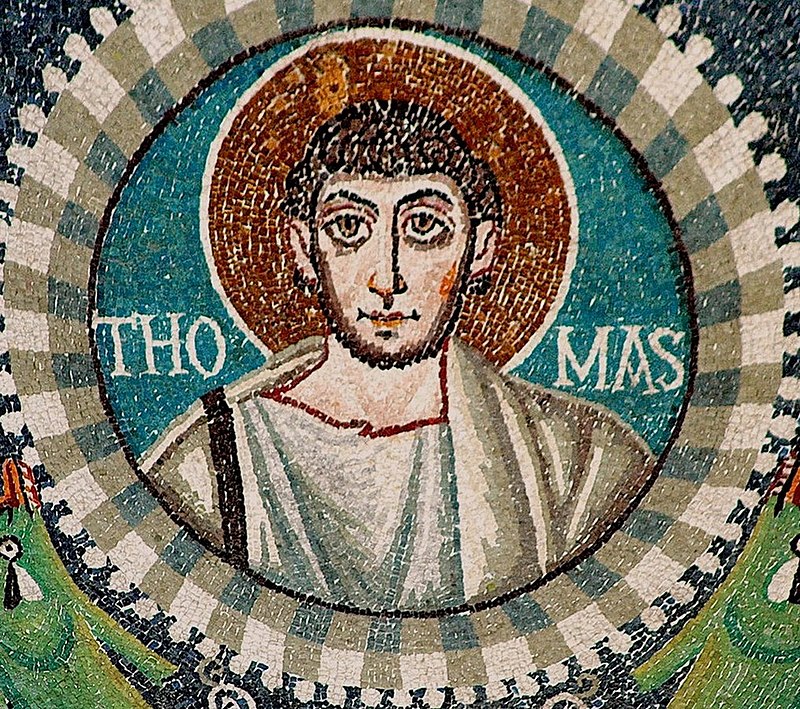
Thomas the Apostle
Apostle of Jesus Christ

Martial
Marcus Valerius Martialis (known in English as Martial ; March, between 38 and 41 AD – between 102 and 104 AD) was a Roman and Celtiberian poet born in Bilbilis, Hispania (modern Spain), best known for his twelve books of Epigrams, published in Rome between AD 86 and 103, during the reigns of the emperors Domitian, Nerva and Trajan. In these poems he satirises city life and the scandalous activities of his acquaintances and romanticises his provincial upbringing. A total of 1,561 epigrams written by him have survived, of which 1,235 are in elegiac couplets.

Evaristus
5th Pope of the Catholic Church from c. 99 to c. 107
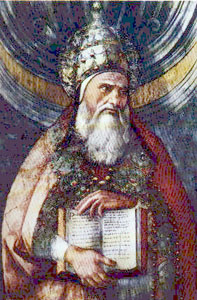
Pius I
pope
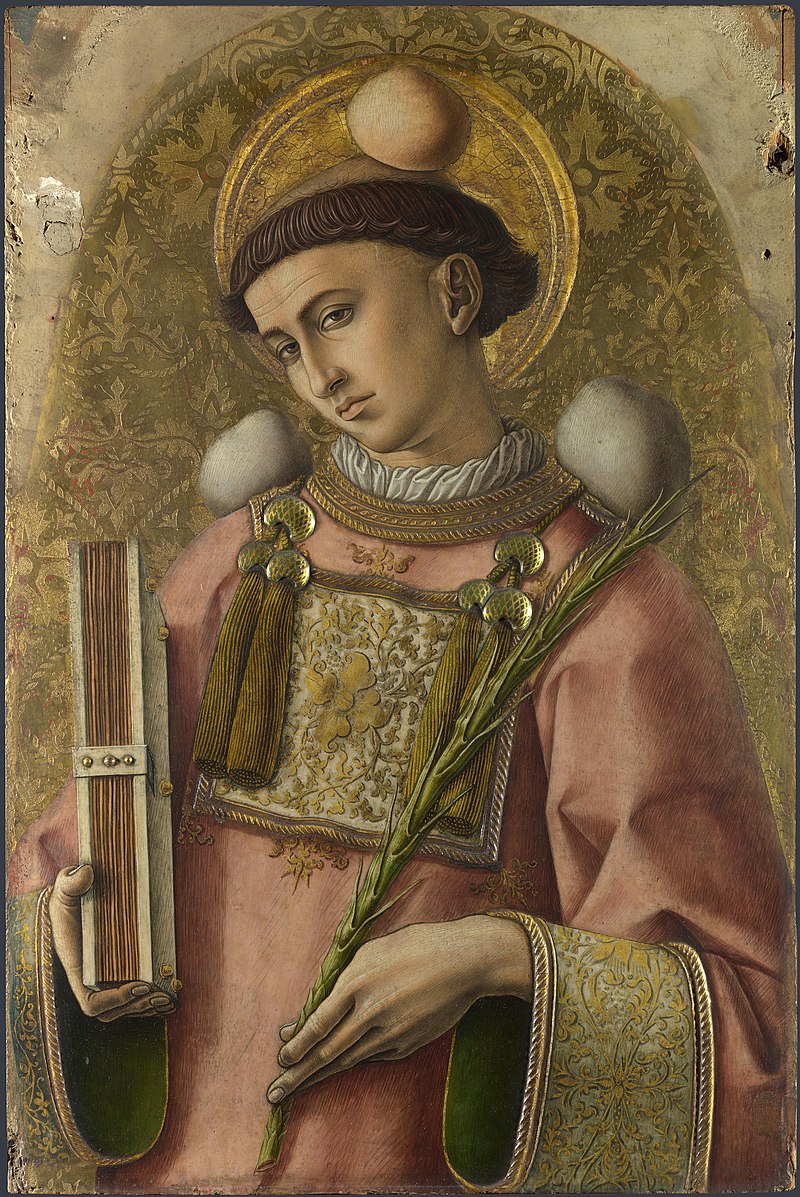
Saint Stephen
Deacon, martyr, and saint

Cai Lun
Chinese official credited with inventing paper (died 121)

Matthias the Apostle
religious figure of the Christian faith

Messalina
Valeria Messalina (; ) was the third wife of Roman emperor Claudius. She was a paternal cousin of Emperor Nero, a second cousin of Emperor Caligula, and a great-grandniece of Emperor Augustus. A powerful and influential woman with a reputation for promiscuity, she allegedly conspired against her husband and was executed on the discovery of the plot. Her notorious reputation may have resulted from political bias, but works of art and literature have perpetuated it into modern times.
Saint Veronica
Christian saint

Saint Titus
early Christian missionary and church leader

Claudia Octavia
daughter of Roman Emperor Claudius and wife of Emperor Nero

Vologases I of Parthia
Parthian king 51-ca. 78 CE

Gaius Musonius Rufus
1st century AD Roman Stoic philosopher

Pacorus II
Parthian king

Osroes I of Parthia
Parthian king

Tiridates I of Armenia
1st century AD King of Armenia

Thecla
Thecla (, ) was a saint of the early Christian Church, and a reported follower of Paul the Apostle. The earliest record of her life comes from the ancient apocryphal Acts of Paul and Thecla.

Artabanus III of Parthia
ruler of the Parthian Empire ?–80/81

Pompeia Plotina
Roman Empress as the wife of Emperor Trajan
Saint Eustace
Christian martyr

Vologases II of Parthia
1st century AD Parthian prince

Milonia Caesonia
Roman Empress as the fourth and last wife of Caligula
Apollinaris of Ravenna
Syrian bishop and saint
Soranus of Ephesus
1st/2nd century AD Greek physician
Agrippa
ancient Greek astronomer
.jpg)
Locusta
thumbnail|''Locusta testing in Nero's presence the poison prepared for Britannicus'', painting by Joseph-Noël Sylvestre, 1876
Thaddeus of Edessa
Christian saint and one of the seventy disciples of Jesus
Marcus Ulpius Traianus
father of emperor Trajan
.jpg)
Sporus
Sporus (died 69 AD) was a young slave boy whom the Roman emperor Nero castrated and married during his tour of Greece in 66–67 AD, allegedly in order for him to play the role of his wife, Poppaea Sabina, who had died under uncertain circumstances the previous year, possibly during childbirth or after being assaulted by Nero.
Tiberius Julius Alexander
Roman governor and general
Lucius Licinius Sura
late 1st/early 2nd century Roman senator, consul and governor

Marcus Valerius Probus
1st century Roman grammarian and critic
Rabbel II Soter
King of the Nabataean Kingdom (ruled AD 70-106)
-%20Museo%20Eremitani%20-%20Padova.png)
Prosdocimus
Prosdocimus (Prosdecimus) of Padua (, ) (d. November 7, ca. 100 AD) is venerated as the first bishop of Padua.
Tiberius Julius Mithridates
Roman client ruler of the Bosporan Kingdom
Gamaliel II
active 80-110
Gaius Avidius Nigrinus
Roman senator and consul (died 118 AD)
Aulus Cornelius Palma Frontonianus
late 1st/early 2nd century Roman statesman, soldier, consul and governor
Tiberius Claudius Drusus
eldest son of the future Roman Emperor Claudius
Quintus Marcius Turbo
2nd century Praetorian Prefect and imperial military advisor
Publius Aelius Hadrianus Afer
father of emperor Hadrian

Onkelos
thumb|upright|Targum from the 11th century
Onkelos ( ʾunqəlōs), possibly identical to Aquila of Sinope, was a Roman national who converted to Judaism in Tannaic times ( 35–120 CE). He is considered to be the author of the Targum Onkelos ( 110 CE).
Quintus Sosius Senecio
late 1st/early 2nd century Roman senator, consul and governor
Sanatruk
Sanatruk (Latinized as Sanatruces) was a member of the Arsacid dynasty of Armenia who succeeded Tiridates I of Armenia as King of Armenia at the end of the 1st century. He was also King of Osroene (reigned 91–109), a historic kingdom located in Mesopotamia.
Sulpicia
1st century Roman poet and satirist
Manius Laberius Maximus
late 1st/early 2nd century Roman senator, consul and general
Gnaeus Pompeius Longinus
Roman governor of Judaea from AD 85 to 89
Quirinus of Neuss
2nd century Roman martyr and German saint
Tiberius Claudius Cogidubnus
1st century Briton king
Melankomas
Melankomas, or Melancomas (), meaning 'One with the Black Hair,' was an Ancient Greek boxer from Caria and victor in the 207th Olympiad (49 AD.).
Publius Acilius Attianus
late 1st/early 2nd century Roman praetorian prefect
Saint Marcian of Syracuse
Catholic saint
Lucius Neratius Marcellus
Roman consul in 95 and 129 AD
Marcus Lollius Paulinus Decimus Valerius Asiaticus Saturninus
Roman consul in 94 and 125 AD
Gaius Calpurnius Piso Crassus Frugi Licinianus
conspirator against Roman emperors Nerva and Trajan

Dou Xian
1st century Chinese general
Calvia Crispinilla
courtier to Roman emperor Nero

Jose the Galilean
Jewish sage 1st and 2nd centuries CE