Category
page 1200s BC births

Polybius
Polybius (; , ; ) was an ancient Greek historian of the middle Hellenistic period. He is noted for his Histories, a universal history documenting the rise of Rome in the Mediterranean in the third and second centuries BC. It covers the period 264–146, recording in detail events in Italy, Iberia, Greece, Macedonia, Syria, Egypt and Africa, and documents the Punic Wars and Macedonian Wars among many others.
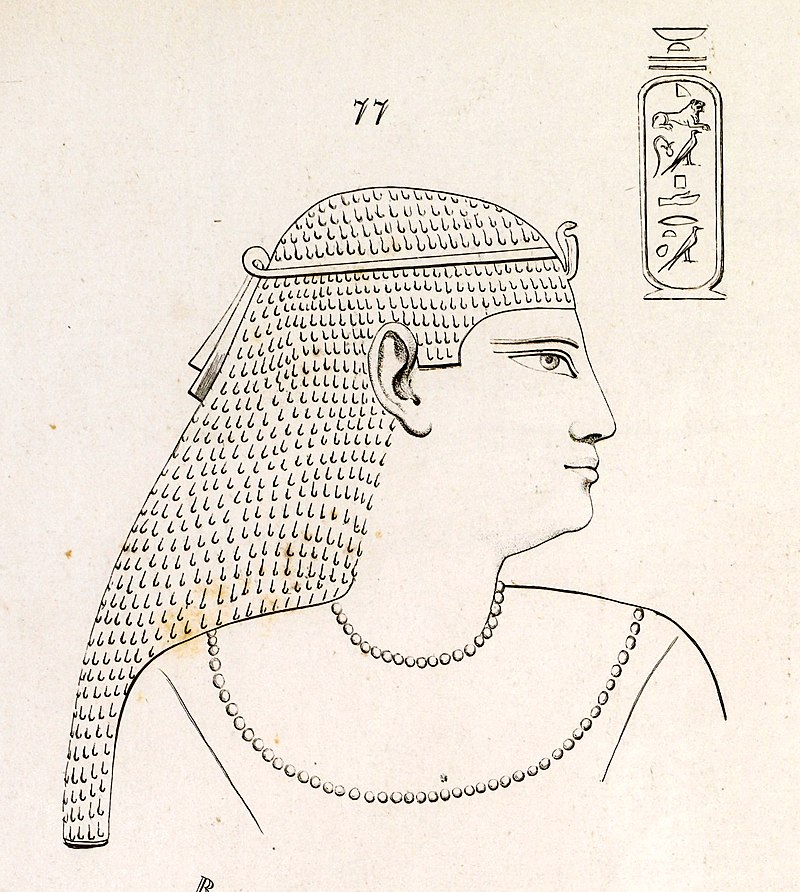
Cleopatra I Syra
queen of Ptolemaic Egypt

Emperor Wen of Han
emperor of the Han dynasty
Jia Yi
Chinese poet
Publius Cornelius Scipio Nasica Corculum
2nd century BC Roman politician and general
Critolaus
Critolaus (; Kritolaos; c. 200 – c. 118 BC) of Phaselis was a Greek philosopher of the Peripatetic school. He was one of three philosophers sent to Rome in 155 BC (the other two being Carneades and Diogenes of Babylon), where their doctrines fascinated the citizens, but frightened the more conservative statesmen. None of his writings survive. He was interested in rhetoric and ethics, and considered pleasure to be an evil. He maintained the Aristotelian doctrine of the eternity of the world, and of the human race in general, directing his arguments against the Stoics.
Zenodorus
ancient Greek mathematician

Hyspaosines
Hyspaosines (also spelled Aspasine) was the founder of Characene, a kingdom situated in southern Mesopotamia. He was originally a Seleucid satrap installed by king Antiochus IV Epiphanes (), but declared independence in 141 BC after the collapse and subsequent transfer of Seleucid authority in Iran and Babylonia to the Parthians. Hyspaosines briefly occupied the Parthian city of Babylon in 127 BC, where he is recorded in records as king (šarru). In 124 BC, however, he was forced to acknowledge Parthian suzerainty. He died in the same year, and was succeeded by his juvenile son A