Category
page 12010 in science

GFAJ-1
GFAJ-1 is a strain of rod-shaped bacteria in the family Halomonadaceae. It is an extremophile that was isolated from the hypersaline and alkaline Mono Lake in eastern California by geobiologist Felisa Wolfe-Simon, a NASA research fellow in residence at the US Geological Survey. In a 2010 Science journal publication, the authors claimed that the microbe, when starved of phosphorus, is capable of substituting arsenic for a small percentage of its phosphorus to sustain its growth. Immediately after publication, other microbiologists and biochemists expressed doubt about this claim, which was robu
solar eclipse of January 15, 2010
solar eclipse
solar eclipse of July 11, 2010
21st-century total solar eclipse
2010 in science
overview of natural science-related events during the year of 2010
December 2010 lunar eclipse
lunar eclipse
International Year of Biodiversity
2010 observance
2010 Jupiter impact event
impact event
332P/Ikeya–Murakami
332P/Ikeya–Murakami (P/2010 V1) is a short-period comet with period of approximately 5.4 years first identified independently by the two Japanese amateur astronomers Kaoru Ikeya and Shigeki Murakami on November 3, 2010. As 332P/Ikeya–Murakami only approaches within 1.57 AU of the Sun, roughly Mars distance from the Sun, the fragmentation events may be a result of rapid rotation. The comet was last observed in October 2020 as during the 2021 perihelion passage the comet was only 7 degrees from the Sun. The comet will next come to perihelion in January 2027 when it will have a solar elongation o
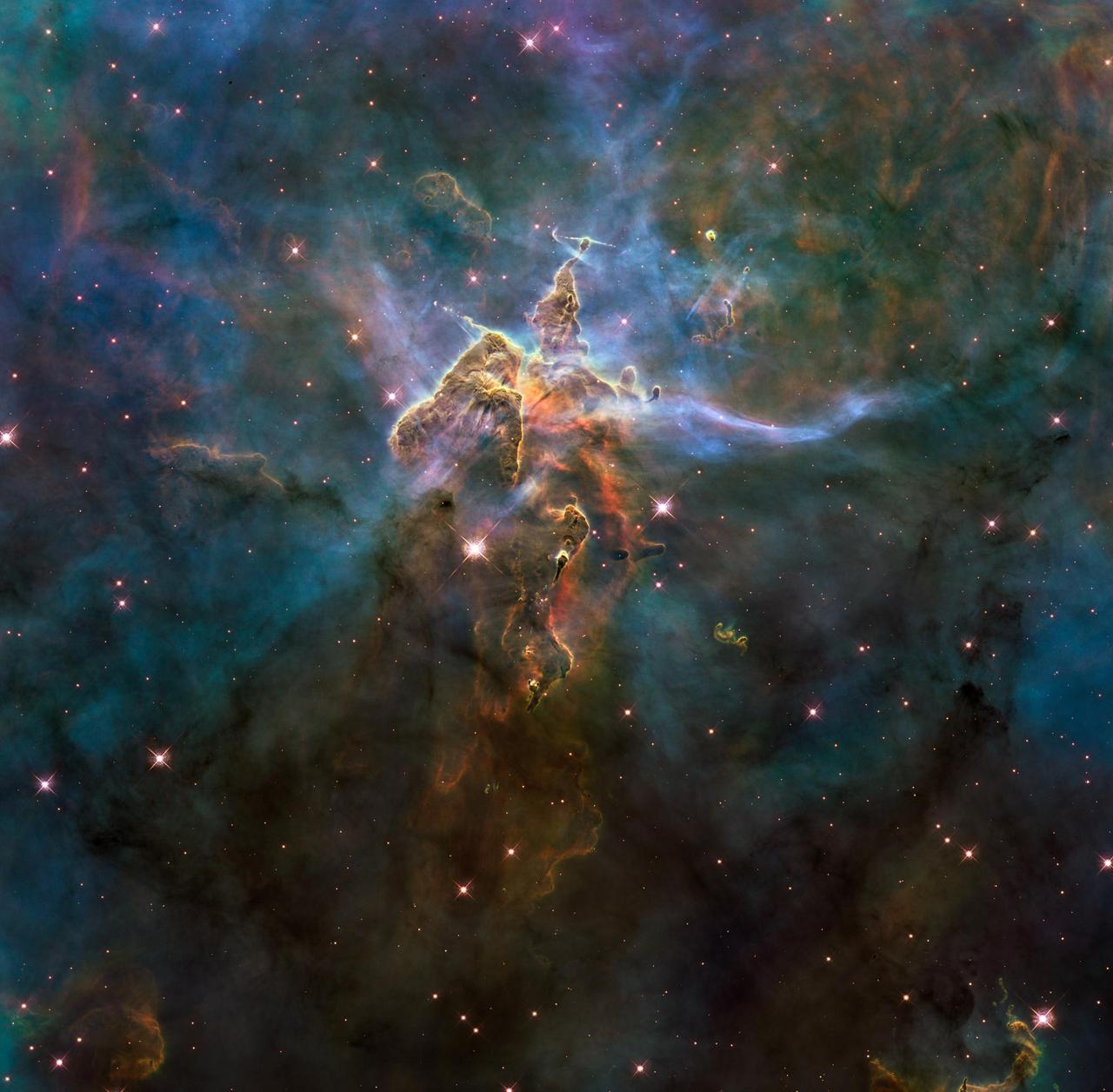
Mystic Mountain
gas and dust formation in the Carina Nebula
June 2010 lunar eclipse
Partial lunar eclipse of 26 bJune 2010
Expanded Graded Intergenerational Disruption Scale
scale measuring how much endangered or developed a language is
list of fellows of the Royal Society elected in 2010
Wikimedia list article
Wonders of the Solar System
television series