Category
page 127th-century BC pharaohs

Djoser
thumb|Egyptian Museum: Base of a Djoser statue with royal titulary
thumb|Niche with panel showing the king Netjerykhet (Djoser) walking towards the shrine of Horus of Behedet (modern Edfu).
Djoser (also read as Zoser) was an ancient Egyptian pharaoh of the 3rd Dynasty during the Old Kingdom, and was the founder of that epoch. He is also known by his Hellenized names Tosorthros (from Manetho) and Sesorthos (from Eusebius). He was the son of King Khasekhemwy and Queen Nimaathap, but whether he was also the direct successor to their throne is unclear. Most Ramesside king lists identify a king nam

Sneferu
Sneferu or Soris () was an ancient Egyptian monarch and the first pharaoh of the Fourth Dynasty of Egypt, during the earlier half of the Old Kingdom period (26th century BC). He introduced major innovations in the design and construction of pyramids, and at least three of his pyramids survive to this day.
Khasekhemwy
thumb|250px|Seal of "Khasekhemwy" with the symbol of unification with the double crown of Upper and Lower Egypt being worn both by Horus and Seth, on a container of state treasury warehouse for the redistribution of agricultural production.

Huni
Huni (original reading unknown) was an ancient Egyptian king, the last pharaoh of the Third Dynasty of Egypt during the Old Kingdom period. Based on the Turin king list, he is commonly credited with a reign of 24 years, ending c. 2613 BC.

Sekhemkhet
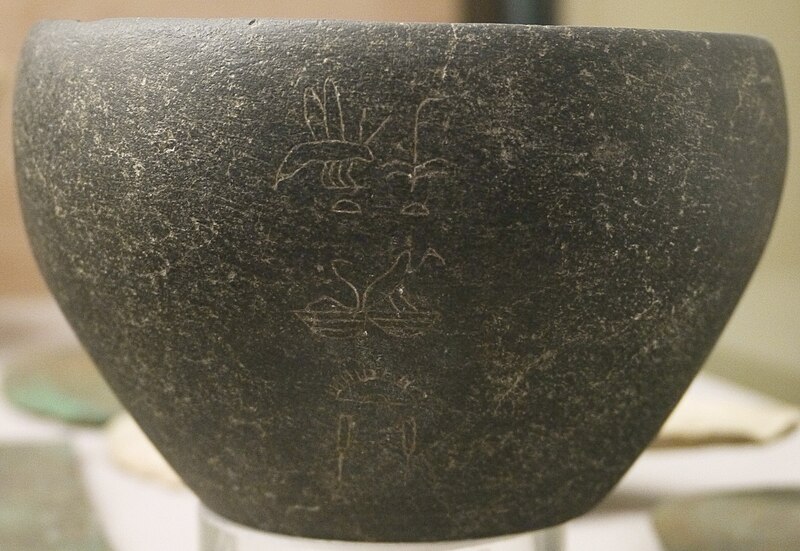
Sekhemkhet (also read as Sechemchet) was an ancient Egyptian king (pharaoh) of the 3rd Dynasty during the Old Kingdom. His reign is thought to have been from about 2648 BC until 2640 BC. He is also known under his later traditioned birth name Djoser-teti and under his Hellenized name Tyreis (by Manetho; derived from Teti in the Abydos King List). Sekhemkhet was probably the brother or eldest son of king Djoser. Little is known about this king, since he ruled for only a few years. However, he erected a step pyramid at Saqqara and left behind a well known rock inscription at Wadi Maghareh (Sinai

Khaba
Khaba (also read as Hor-Khaba) was a pharaoh of Ancient Egypt, active during the 3rd Dynasty of the Old Kingdom period. The exact time during which Khaba ruled is unknown but may have been around 2670 BC, and almost definitely towards the end of the dynasty.

Sanakht
Sanakht (also read as Hor-Sanakht) is the Horus name of an ancient Egyptian king (pharaoh) of the Third Dynasty during the Old Kingdom. His chronological position is highly uncertain (though he is more likely to have reigned towards the end of the dynasty), and it is also unclear under which Hellenized name the ancient historian Manetho could have listed him. Many Egyptologists connect Sanakht with the Ramesside cartouche name Nebka. However, this remains disputed because no further royal title of that king has ever been found; either in contemporary source or later ones. There are two relief
Ba
early ancient Egyptian king

Nebka
Nebka (meaning "Lord of the ka") is the throne name of an ancient Egyptian pharaoh of the Third Dynasty during the Old Kingdom period, in the 27th century BCE. He is thought to be identical with the Hellenized name Νεχέρωχις (Necherôchis or Necherôphes) recorded by the Egyptian priest Manetho of the much later Ptolemaic period.
Horus Sa
ancient Egyptian ruler

Qahedjet
Qahedjet (also Hor-Qahedjet) could be the Horus name of an ancient Egyptian king (pharaoh), who may have ruled during the 3rd Dynasty or could be a voluntarily archaistic representation of Thutmose III. Since the only artifact attesting to the ruler and his name is a small stela made of polished limestone of uncertain origin and authenticity, Egyptologists are discussing the chronological position and historical figure of Qahedjet.