Category
page 1Accounting terminology
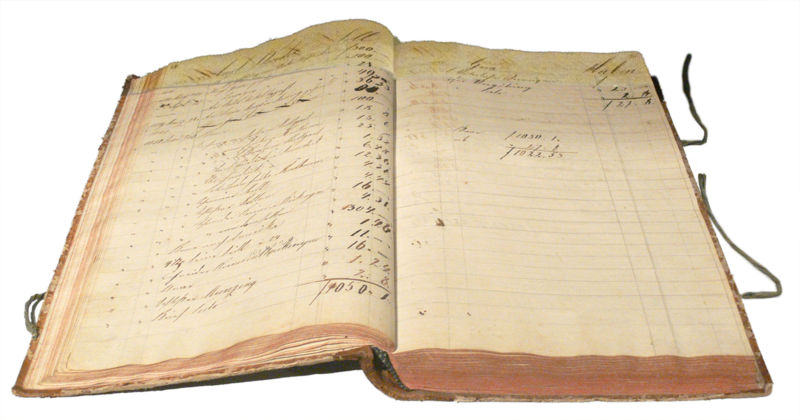
asset
In financial accounting, an asset is any resource owned or controlled by a business or an economic entity. It is anything (tangible or intangible) that can be used to produce positive economic value. Assets represent value of ownership that can be converted into cash (although cash itself is also considered an asset).
The balance sheet of a firm records the monetary value of the assets owned by that firm. It covers money and other valuables belonging to an individual or to a business.
Total assets can also be called the balance sheet total.
balance sheet
accounting financial summary

double-entry bookkeeping
seamless, chronological and factual ordered recording of all business processes in a company based of documented evidence
income statement
financial statement of a company: shows the company’s revenues and expenses during a particular period
International Financial Reporting Standards
Accounting standard issued by the IFRS Foundation
management accounting
field of business administration, part of the internal accounting system of a company
cash flow statement
financial statement that shows how changes in balance sheet accounts and income affect cash and cash equivalents, and breaks the analysis down to operating, investing and financing activities
net income
measure of the profitability of a business venture
cash flow
movement of money into or out of a business, project, or financial product
fixed asset
assets and property that cannot easily be converted into cash, like property, plant or equipment

factoring
financial transaction and a type of debtor finance in which a business sells its accounts receivable (i.e., invoices) to a third party (called a factor) at a discount
account
central data structure in the practice of accounting
mergers and acquisitions
transactions in which the ownership of companies, other business organizations or their operating units are transferred or combined
goodwill
accounting term for the intangible asset recognized when a firm is purchased as a going concern
accounts receivable
legally enforceable claim for payment to a business by its customer/ clients for goods supplied and/or services rendered in execution of the customer’s order
capital expenditure
costs associated with the procurement and maintenance of, and improvements to, the fixed assets of an organisation
chart of accounts
list of financial accounts used in the organization's general ledger
financial audit
audit conducted to ensure financial statements are in accordance with specified criteria
balance
amount of money that remains in a deposit account
trial balance
list of all business accounts in a ledger
general ledger
central repository for accounting data
operating cost
ongoing cost for running a product, business, or system
accounts payable
money owed by a business to its suppliers
capital gain
profit that results from a sale of a capital asset, such as stock, bond or real estate, where the sale price exceeds the purchase price
debits and credits
amounts added or subtracted to account ledgers
amortization (business)
accounting term for the spreading of payments over multiple periods
statement of changes in equity
financial statement explaining the changes in a company's share capital, accumulated reserves and retained earnings over the reporting period
FIFO and LIFO accounting
method in managing inventory and financial matters
forensic accounting
accounting of engagements from disputes or litigation which have or are expected to happen
accounting equation
fundamental equation of the double-entry bookkeeping model
accounting period
accounting method

eXtensible Business Reporting Language
XBRL (eXtensible Business Reporting Language) is a freely available global framework for exchanging business information. XBRL allows the expression of semantics commonly required in business reporting. The standard was originally based on XML, but now supports reports in JSON and CSV formats in addition to the original XML-based syntax. XBRL is also increasingly used in its Inline XBRL variant, which embeds XBRL tags into an HTML document. One common use of XBRL is the exchange of financial information, such as in a company's annual financial report. The XBRL standard is developed and publish
gross margin
relating gross profits to net sales
triple bottom line
accounting framework
historical cost
original monetary value of an item
cost of goods sold
carrying value of goods sold during a particular period
accrual
In accounting and finance, an accrual is an asset or liability that represents revenue or expenses that are receivable or payable but which have not yet been paid.
mark-to-market accounting
accounting practice
Bank reconciliation
comparison of bank statements and records
capital surplus
equity reserve (share premium) above par value
matching principle
accounting method
trade credit
credit extended by one trader to another when the goods and services are bought on credit
total absorption costing
wear and tear
naturally occuring physical damage from normal wear and aging
fund accounting
accounting system used for special reporting requirements
Revenue recognition
accounting method
Stock swap
Exchange of equity-based assets
constant purchasing power accounting
accounting model
capital appreciation
the increase value of finance over time
Cash flow forecasting
Process in corporate finance
year-to-date
Year-to-date (YTD) is the period starting from the beginning of the current year (either the calendar year or fiscal year) and continuing up to the present day.
SG&A
SG&A (alternately SGA, SAG, G&A or SGNA) is an initialism used in accounting to refer to Selling, General and Administrative Expenses, which is a major non-production cost presented in an income statement (statement of profit or loss).
Basis of accounting
time when financial transactions are reported
voluntary disclosure