Category
page 1Action (philosophy)

will
faculty of the mind which intentionally selects the strongest desire from among the various desires present
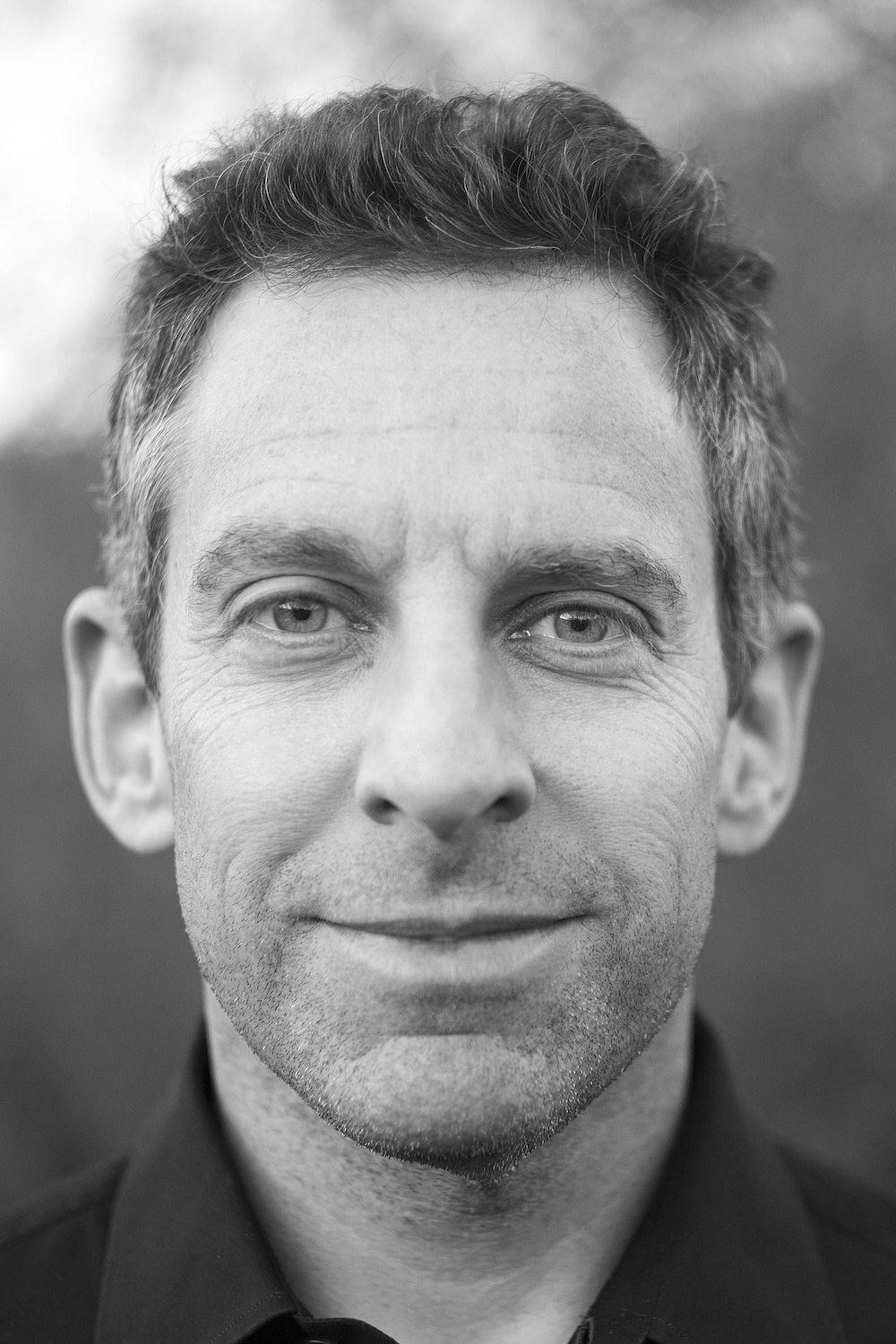
Sam Harris
American author, philosopher and neuroscientist (born 1967)
action
something an agent can do or perform
intentionality
Intentionality is the mental ability to refer to or represent something. Sometimes regarded as the mark of the mental, it is found in mental states like perceptions, beliefs or desires. For example, the perception of a tree has intentionality because it represents a tree to the perceiver. A central issue for theories of intentionality has been the problem of intentional inexistence: to determine the ontological status of the entities which are the objects of intentional states.
action theory
area in philosophy concerned with theories about the processes causing willful human bodily movements of a more or less complex kind. This area of thought involves epistemology, ethics, metaphysics, jurisprudence, and philosophy of mind

affordance
thumb|right|The design of tea cups and a teapot suggest their respective functions.
thumb|right|A door knob shaped to reflect how it is used, is an example of a perceivable affordance.
thumb|right|Affordance is one of several design principles used when designing graphical user interfaces.
telos
Telos (; ) is a term used by the philosopher Aristotle to refer to the final cause of a natural organ or entity, or of human art. The Greek word is the root of the modern term "teleology", the study of purposiveness or of objects with a view to their aims, purposes, or intentions. Teleology is central in Aristotle's work on plant and animal biology, and in his analysis of human ethics, through his theory of the four causes. Aristotle's notion that everything has a telos also gave rise to epistemology.
agency
capacity of an agent to act in a world and make own decisions
potentiality and actuality
principles which Aristotle used to analyze motion, causality, ethics, and physiology
ability
Abilities are powers an agent has to perform various actions. They include common abilities, like walking, and rare abilities, like performing a double backflip. Abilities are intelligent powers: they are guided by the person's intention and executing them successfully results in an action, which is not true for all types of powers. They are closely related to but not identical with various other concepts, such as disposition, know-how, aptitude, talent, potential, and skill.
practical reason
the use of reason to decide how to act
enactivism
Enactivism is a position in cognitive science that argues that cognition arises through interaction between an acting organism and its environment. It claims that the environment of an organism is brought about, or enacted, by the active exercise of that organism's sensorimotor processes. "The key point, then, is that the species brings forth and specifies its own domain of problems ...this domain does not exist "out there" in an environment that acts as a landing pad for organisms that somehow drop or parachute into the world. Instead, living beings and their environments stand in relation to
oikeiôsis
In Stoic ethics, oikeiôsis (, ) is a technical term variously translated as "appropriation," "orientation," "familiarization," "affinity," "affiliation," and "endearment." Oikeiôsis signifies the perception of something as one's own, as belonging to oneself. The theory of oikeiôsis can be traced back to the work of the first Stoic philosopher, Zeno of Citium.
Humeanism
Humeanism refers to the philosophy of David Hume and to the tradition of thought inspired by him. Hume was an influential eighteenth century Scottish philosopher well known for his empirical approach, which he applied to various fields in philosophy. In the philosophy of science, he is notable for developing the regularity theory of causation, which in its strongest form states that causation is nothing but constant conjunction of certain types of events without any underlying forces responsible for this regularity of conjunction. This is closely connected to his metaphysical thesis that there
Situation, Task, Action, Result
Technique used by interviewers