Category
page 1Aeromonadales
Aeromonas
Aeromonas is a genus of Gram-negative, facultative anaerobic, rod-shaped, bacteria that morphologically resemble members of the family Enterobacteriaceae. Most of the 14 described species have been associated with human diseases. The most important pathogens are A. hydrophila, A. caviae, and A. veronii biovar sobria. The organisms are ubiquitous in fresh and brackish water.
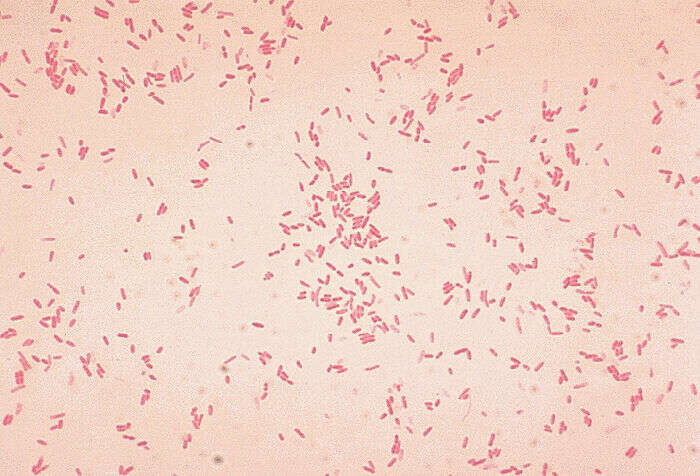
Aeromonas hydrophila
species of bacterium
Aeromonadales
The Aeromonadales are an order of Pseudomonadota, with 10 genera in two families. The species are anaerobic. The cells are rod-shaped. Some species of this order are motile by a single polar flagellum; others are not motile.
Aeromonadaceae
The Aeromonadaceae are Gram-negative bacteria. The species are facultative anaerobic organisms. The cells are rod-shaped. They are mostly found in estuarine waters and fresh water, also in soil and sewage. Some are pathogenic for humans and other animals such as fishes and frogs.
Succinivibrionaceae
The Succinivibrionaceae are Gram-negative bacteria and belong to the Gammaproteobacteria. They are rod-shaped and obligate anaerobes.