Category
page 1African art

Nok culture
archaeological culture
African art
modern and historical aesthetic, material, oral/audio and visual culture native to or originating from indigenous Africans or the African continent
Zimbabwe Bird
national emblem of Zimbabwe
Tingatinga
contemporary painting style in Tansania
.jpg)
imigongo
thumb|Imigongo art on display at the International Geography Festival in Saint-Dié-des-Vosges, France
Imigongo () is an art form popular in Rwanda traditionally made by women using cow dung. Often in the colors black, white and red, popular themes include spiral and geometric designs that are painted on walls, pottery, and canvas.
Kanaga masks
dogon mask used by members of the Awa Society
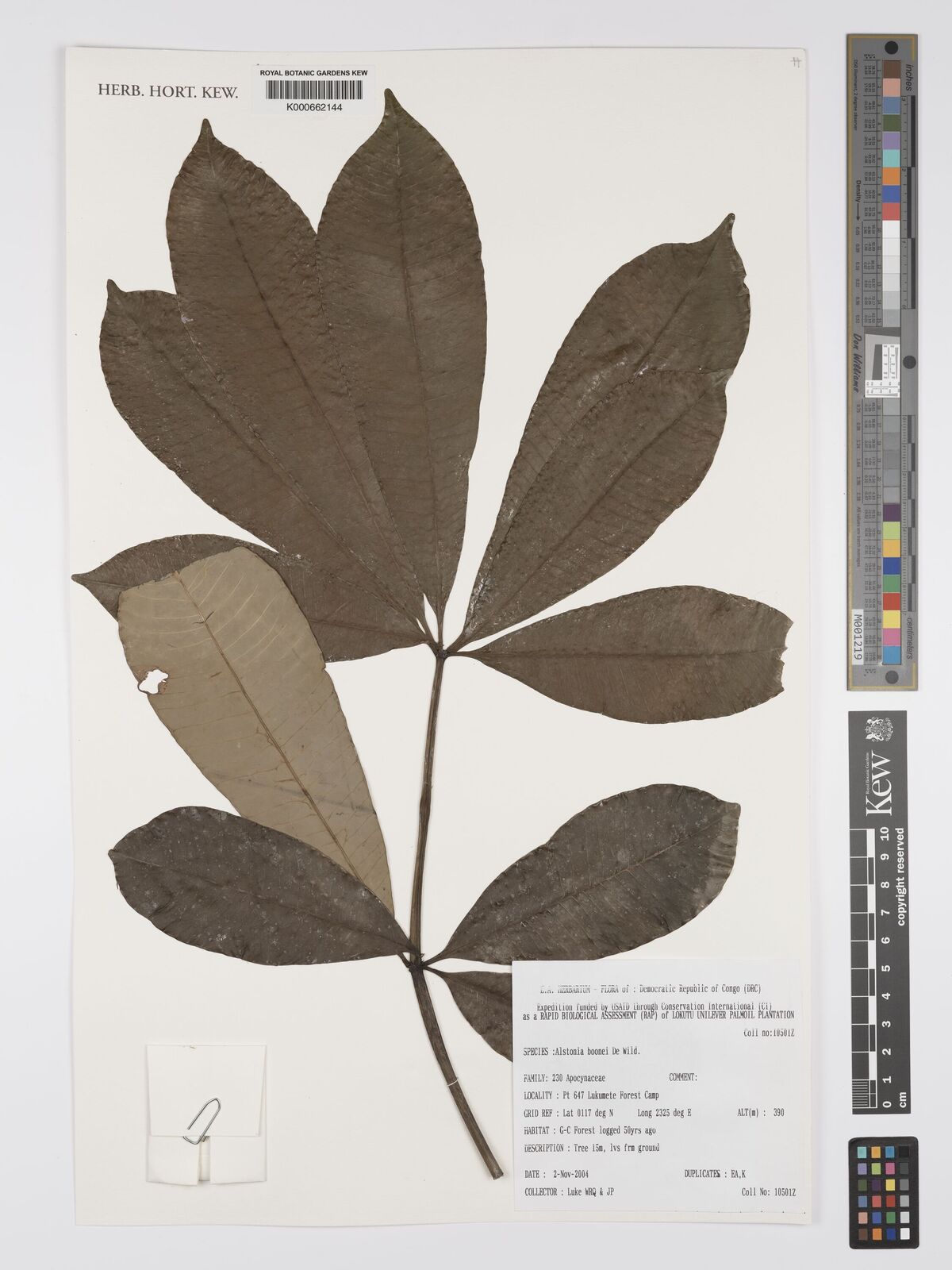
Alstonia boonei
species of plant
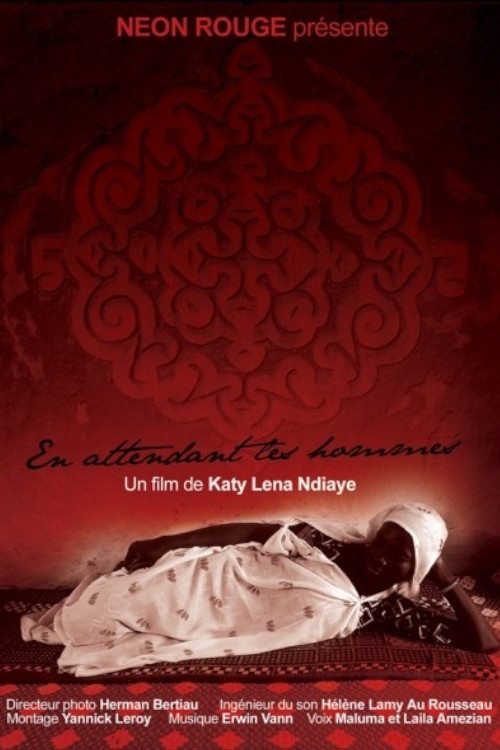
En attendant les hommes
2007 film by Katy Lane Ndiaye
Bongo people
ethnic group in South Sudan

Nkisi
thumb|Power Figure: Male (Nkisi). Created circa 1800-1950, DRC, The Metropolitan Museum of Art, New York, The Michael C. Rockefeller Memorial Collection, Bequest of Nelson A. Rockefeller, 1979
' or ' (plural varies: , , , or ) are spirits or an object that a spirit inhabits. It is frequently applied to a variety of objects used throughout the Congo Basin in Central Africa, especially in the Territory of Cabinda that are believed to contain spiritual powers or spirits. The term and its concept have passed with the Atlantic slave trade to the Americas.

Chiwara
thumb|right|300px|Comparison of the four major styles of the Chiwara mask of the Bambara people of Mali. Clockwise from top left: abstract, Bougouni/southern region, vertical/Segu/northern region, and horizontal/Bamako/Northern region
thumb|right|300px|Two Chiwara at the Art Institute of Chicago. Female (left) and male Vertical styles.
Picasso's African Period
painting series by Pablo Picasso
Makonde art
Genre of African art
African wax print
wax-resist (batik) printed textile of Africa
Lusona
400px|thumb|Lusona ideograph illustrating the story of the beginning of the world
Sona () drawing is an ideographic tradition known across eastern Angola, northwestern Zambia and adjacent areas of the Democratic Republic of the Congo, and is mainly practiced by the Chokwe and Luchazi peoples. These ideographs function as mnemonic devices to help remember proverbs, fables, games, riddles and animals, and to transmit knowledge.
National Museum of Ethnology
Ethnographic museum in Lisbon, Portugal
akuaba
thumb|right|220px|Three ''akua'ba''. These are from the Fante people|Fante people.
Ethiopian art
art of Ethiopian culture
Akan goldweights
Ghanaian weight made of brass used by the Akans
Litema
thumb|Traditional Tema pattern with inversion and rotation of the model base
Litema, spelled Ditema in South African Sesotho orthography (; Singular: Tema, Sesotho for "text" or "ploughed land") is a form of Sotho mural art composed of decorative and symbolic geometric patterns, commonly associated with Sotho tradition today practised in Lesotho and neighbouring areas of South Africa. Basotho women generate litema on the outer walls and inside of homesteads by means of engraving, painting, relief mouldings and/or mosaic. Typically the geometric patterns are combed or scratched into the wet top
Tchitcherik
thumb|Tchitcheri sakab of the Moba people
A tchitcherik or tchitcherik sakwa (plural: tchitcheri sakab) is a statue of the ancestors of the Moba of northern Togo and Ghana.
contemporary African art
art made by Africans or their descendants in the post-colonial era
lukasa
thumbnail|Lukasa memory board, from the collection of the Brooklyn Museum
thumbnail|Beadwork Headdress for Mbudye Official, from the collection of the Brooklyn Museum
Lukasa, "the long hand" (or claw), is a memory device that was created, manipulated and protected by the Bambudye, a once powerful secret society of the Luba. Lukasa are examples of Luba art.
Report on the restitution of African cultural heritage
Report on cultural relations between France and Africa south of the Sahara
Ahwenepa Nkasa
common materials used for clothing in West Africa
Luba art
visual and material culture of the Luba people
Shetani
thumb|A Makonde elephant shetani
Shetani (the word is both singular and plural in English, the plural in Swahili is mashetani) are spirits of East African mythology and popular belief. Mostly malevolent, and found in many different forms and different types with different powers, shetani are a popular subject of carved artwork, especially by the Makonde people of Tanzania, Mozambique, and Kenya. Physically, shetani of various types appear as distorted human and animal figures.
Yombe maternity figures
mother and child sculptures
African art in Western collections
African heritage in Western collections
Bijago art
african tribal art
Nomoli figurine
carved stone figurine
Lipico
A lipico or lipiko (plural: mapico or mapiko) is a wooden East African mask for ceremonial dances of the Makonde people in Mozambique and Tanzania.
thumb|Lipico mask from Mozambique
Kongo textiles
fabrics from the fronds of the raffia palm leaves