Category
page 1Agavoideae

Agave
Agave (; ; ) is a genus of monocots native to the arid regions of the Americas. The genus is primarily known for its succulent and xerophytic species that typically form large rosettes of strong, fleshy leaves.
.jpg)
Yucca
Yucca ( ) is both the scientific name and common name for a genus native to North America from Panama to southern Canada. It contains 50 accepted species. In addition to yucca, they are also known as '''Adam's needle or Spanish-bayonet'. The genus is generally classified in the asparagus family in a subfamily with the Agave'', though historically it was part of the lily family. The species range from small shrubby plants to tree-like giants, such as the Joshua tree. All yuccas have rosettes of leaves that taper to points and inflorescences with many flowers that are mainly cream white with thi

Chlorophytum
Chlorophytum (,), sometimes colloquially referred to as the spider plants, is a genus of almost 200 species of evergreen perennial flowering plants in the Agavoideae within the Asparagaceae. The plants are native to the tropical and subtropical regions of Africa, Australia, and Asia.

Chlorophytum comosum
species of plant

Agavoideae
Agavoideae is a subfamily of monocot flowering plants in the family Asparagaceae, order Asparagales. It has previously been treated as a separate family, Agavaceae, and by 2020, several sources had restored the taxonomic status of Agavaceae as an independent family.
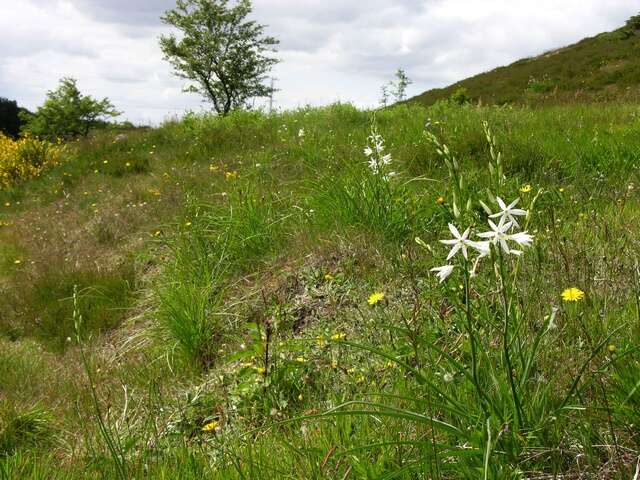
Anthericum
Anthericum is a genus of species, rhizomatous perennial plants in the family Asparagaceae, subfamily Agavoideae. It was formerly placed in its own family, Anthericaceae. The species have rhizomatous or tuberous roots, long narrow leaves and branched stems carrying starry white flowers. The members of this genus occur mainly in the tropics and southern Africa and Madagascar, but are also represented in Europe.

Camassia
thumb|right|upright=0.8|Cusick's camas (Camassia cusickii)
thumb|right|Common camas (Camassia quamash ssp. quamash)

Anthericum liliago
species of plant

Anthericum ramosum
species of plant

Furcraea
Furcraea is a genus of succulent plants belonging to the family Asparagaceae, native to tropical regions of Mexico, the Caribbean, Central America and northern South America. Some species are also naturalized in parts of Africa, the United States (Florida), Portugal, Thailand, India, and Australia, as well as on various oceanic islands. Plants of this genus are the origin of fique or cabuyo, a natural fiber.
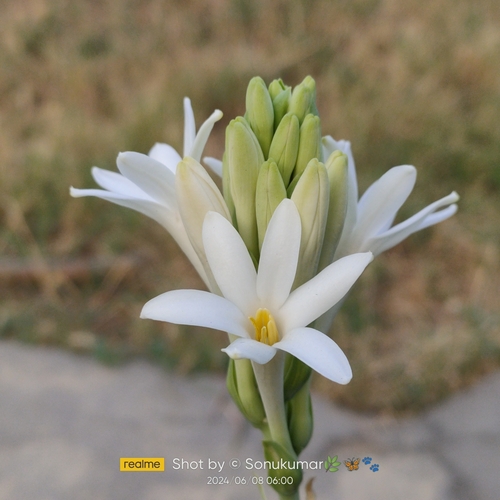
Polianthes
Polianthes is a genus of flowering plants in family Asparagaceae. It includes 23 species native to Mexico. One of its species is the tuberose, Polianthes tuberosa, a plant that is commonly used in perfume making.
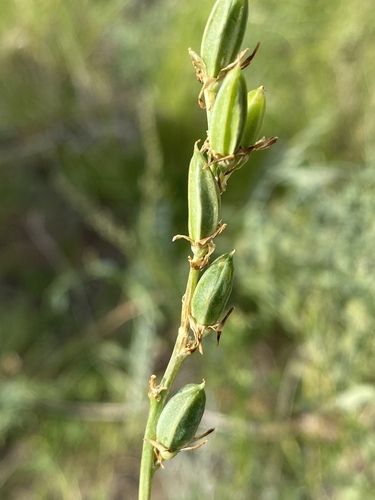
Anemarrhena asphodeloides
Anemarrhena is a plant genus in family Asparagaceae, subfamily Agavoideae. It has only one species, Anemarrhena asphodeloides, native to China and Mongolia. Some authors have placed it in its own family, Anemarrhenaceae.

Beschorneria
Beschorneria is a genus of succulent plants belonging to the family Asparagaceae, subfamily Agavoideae, native to semi-arid areas of Mexico and Central America. They are generally large evergreen perennials forming clumps of grey-green leaves, with tall flower-spikes to . Marginally hardy, they may require winter protection in areas subject to frost.
%20Hesperaloe%20campanulata%20fh%200642%20MEX%20Anfang%20April%20in%20Nordmexiko%20A.jpg)
Hesperaloe
Hesperaloe (false yucca) is a genus of flowering plants in the family Asparagaceae, subfamily Agavoideae. It contains perennial yucca-like plants with long, narrow leaves produced in a basal rosette and flowers borne on long panicles or racemes. The species are native to the arid parts of Texas in the United States and Mexico and are sometimes cultivated as xerophytic ornamental plants.

Paradisea liliastrum
species of plant

Behnia reticulata
Behnia is a genus of flowering plants. In the APG III classification system, it is placed in the family Asparagaceae, subfamily Agavoideae (formerly the family Agavaceae). There is only one known species, Behnia reticulata, a climber plant native to southern Africa (Malawi, Mozambique, Zimbabwe, South Africa and Eswatini).

Chlorogalum
The common names soap plant, soaproot and amole refer to the genus Chlorogalum. They are native to western North America, with some species in Oregon but they are mostly found in California. Common names of the genus and several species derive from their use as soap.
.JPG)
Paradisea
Paradisea (paradise lily) is a European genus of flowering plants in the family Asparagaceae. It was formerly classified in the family Anthericaceae or earlier in the Liliaceae. Paradisea is sometimes confused with Anthericum.
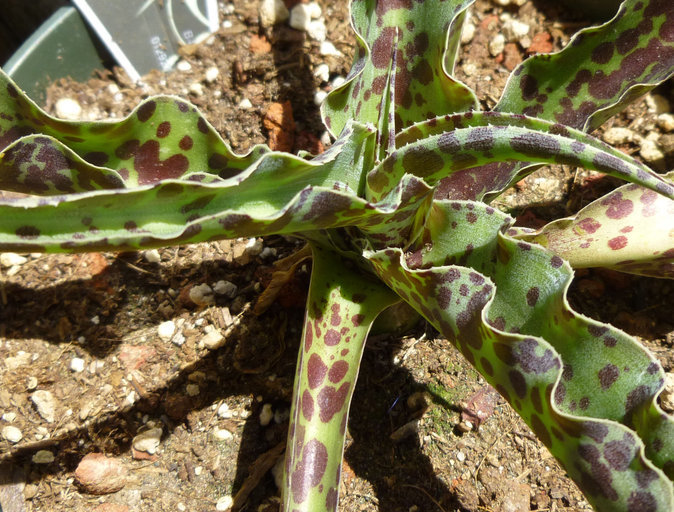
Manfreda
Manfreda is a genus of flowering plants in the family Asparagaceae, subfamily Agavoideae. Along with Polianthes, members are commonly called tuberoses. The generic name honours 14th-century Italian writer Manfredus de Monte Imperiale.
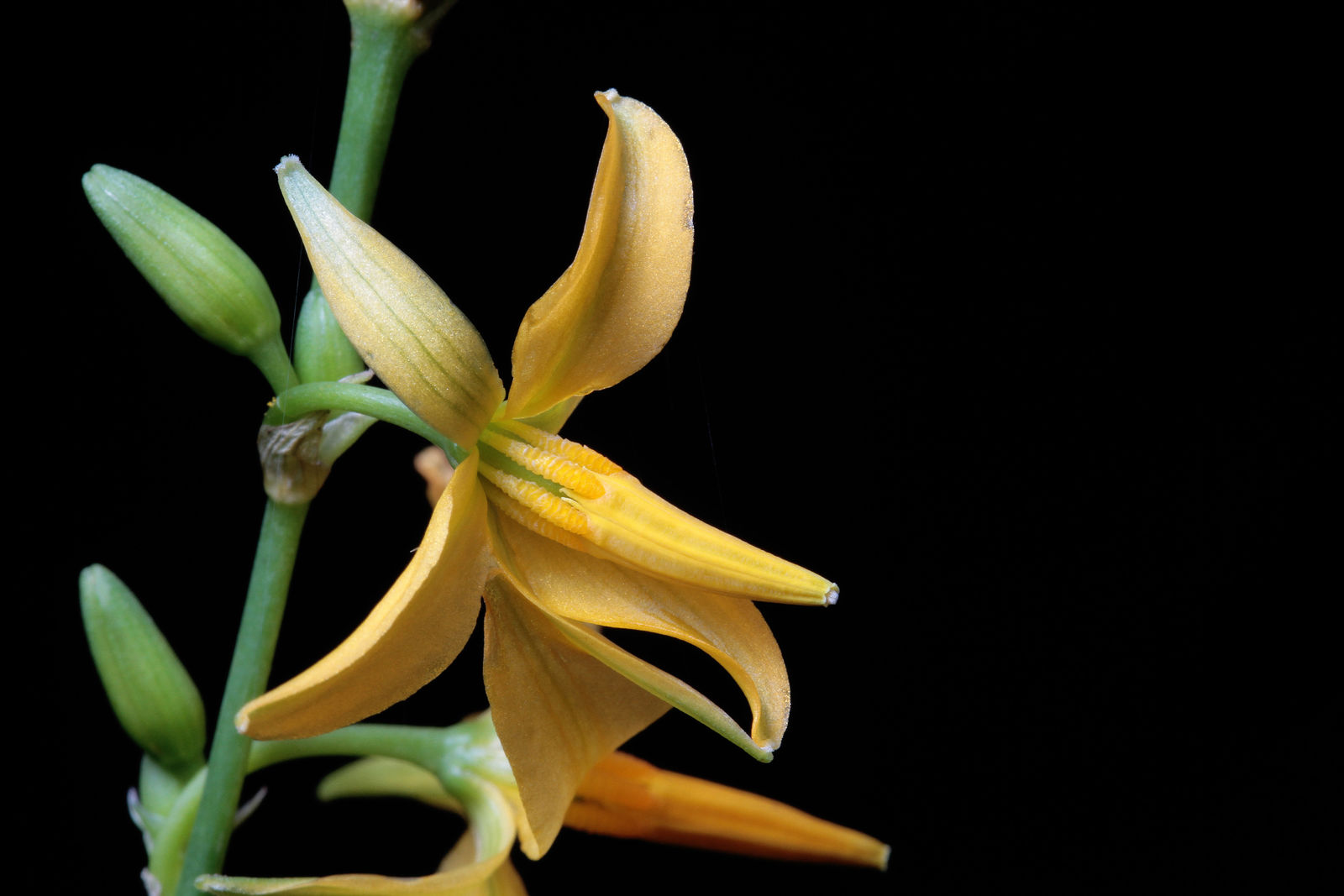
Echeandia
Echeandia (common name craglily) is a genus of New World plants in the century plant subfamily within the asparagus family.
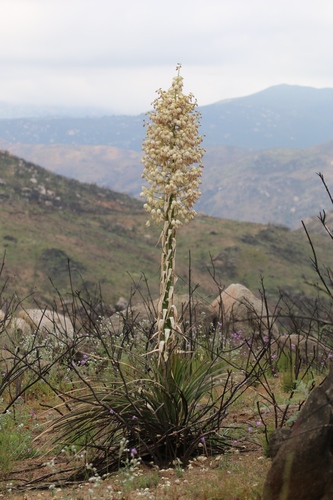
Hesperoyucca
Hesperoyucca is a small genus of two recognized species of flowering plants closely related to, and recently split from, Yucca, which is in the century plant subfamily within the asparagus family.

Schoenolirion
Schoenolirion, rush-lily or sunnybell, is a genus of three recognized species of flowering plants, all endemic to the southeastern United States. In the APG III classification system, the genus is placed in the family Asparagaceae, subfamily Agavoideae (formerly the family Agavaceae).

Leucocrinum
Leucocrinum montanum, commonly known as the common starlily, sandlily, or mountain lily, is the only species in the monotypic genus Leucocrinum, which was placed in the asparagus family in 2009. It is a common and widespread early spring wildflower on the shortgrass prairie, the central and southern Rocky Mountains, and the Intermountain West.
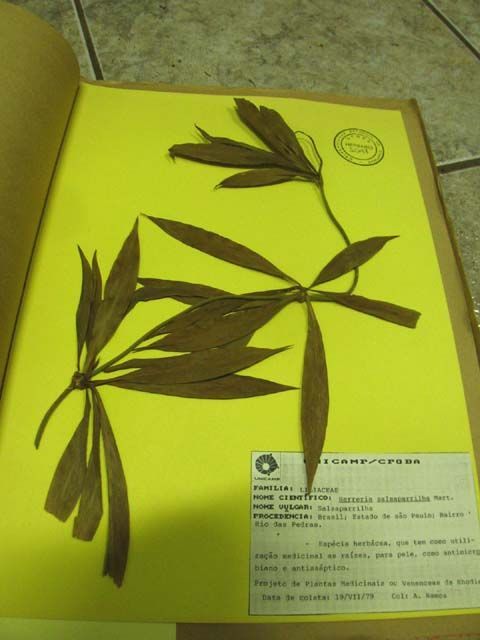
Herreria
genus of plants

Hastingsia
Hastingsia is a small genus of flowering plants in the family Asparagaceae, subfamily Agavoideae, known generally as rushlilies. These are small perennial herbs endemic to serpentine soils of the Siskiyou-Klamath region in northern California and SW Oregon in the United States. They reach heights between 25 and 90 centimeters and have long linear leaves and racemes of small white flowers.

Beschorneria yuccoides
species of plant

Chlorophytum borivilianum
species of plant

Chlorophytum tuberosum
shrub used in Ayurveda for medicinal purposes
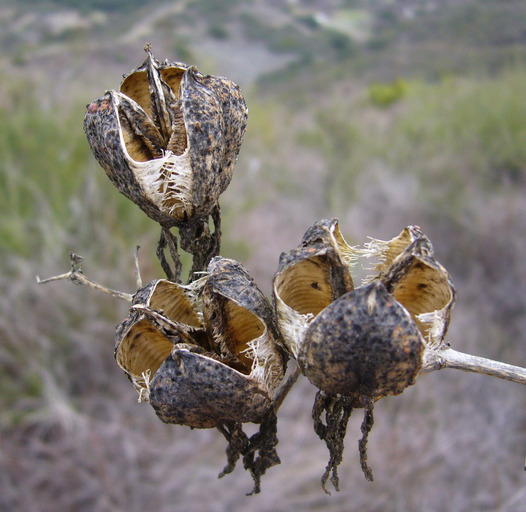
Hesperoyucca whipplei
species of plant in the family Asparagaceae

Disporopsis
Disporopsis is a genus of plants in the Asparagaceae. It is native to China, Indochina and the Philippines.
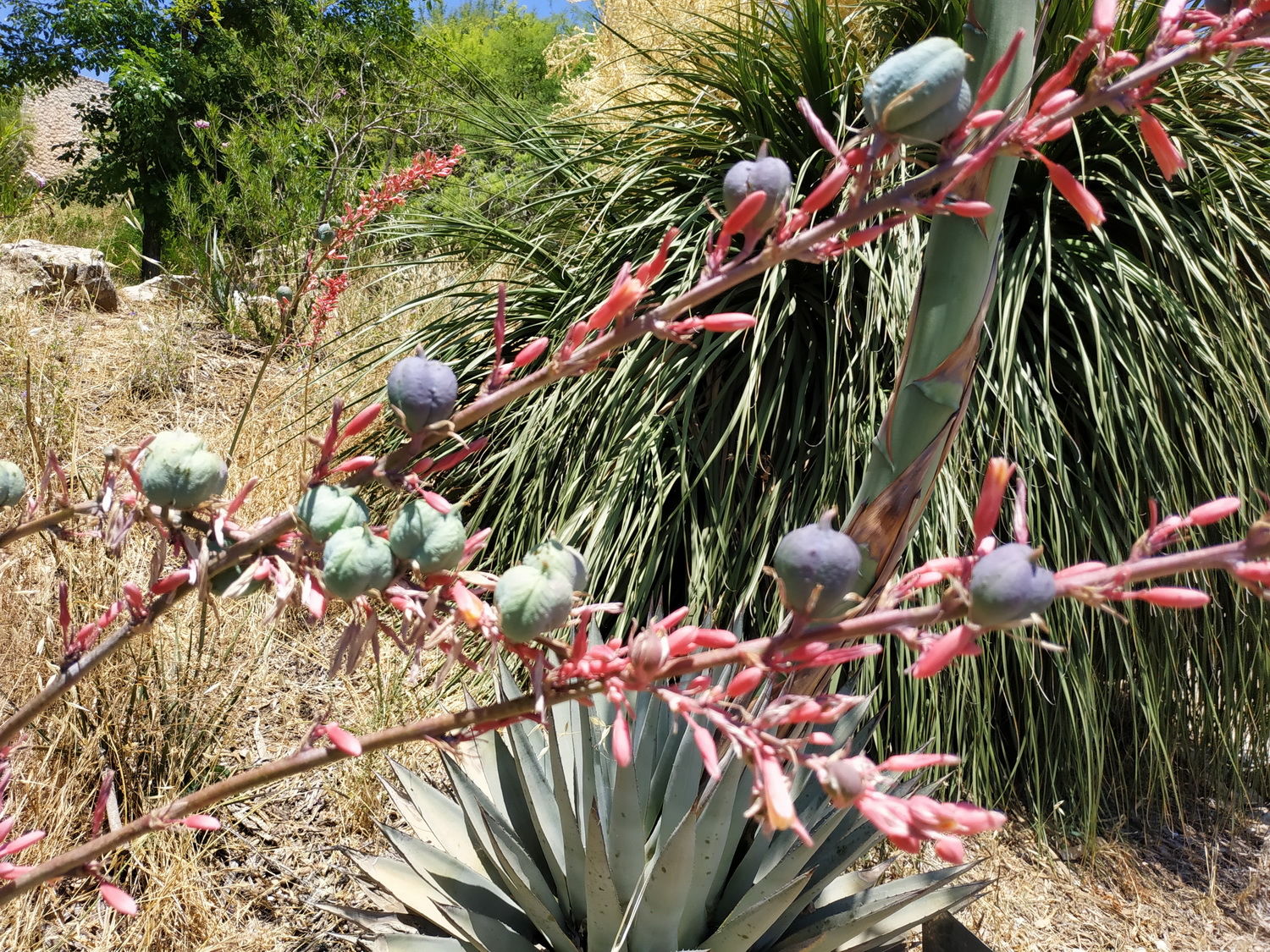
Hesperaloe parviflora
species of plant
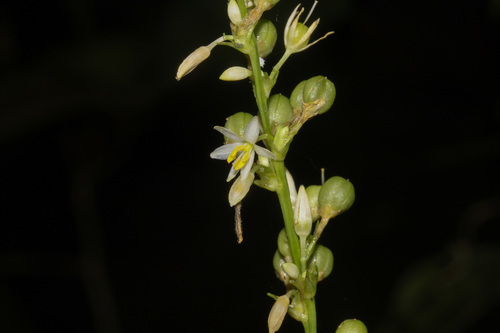
Hagenbachia
Hagenbachia is a genus of plants in the Agavoideae. It is native to Central America and tropical South America. The genus is name after Carl Friedrich Hagenbach.

Beschorneria tubiflora
species of plant
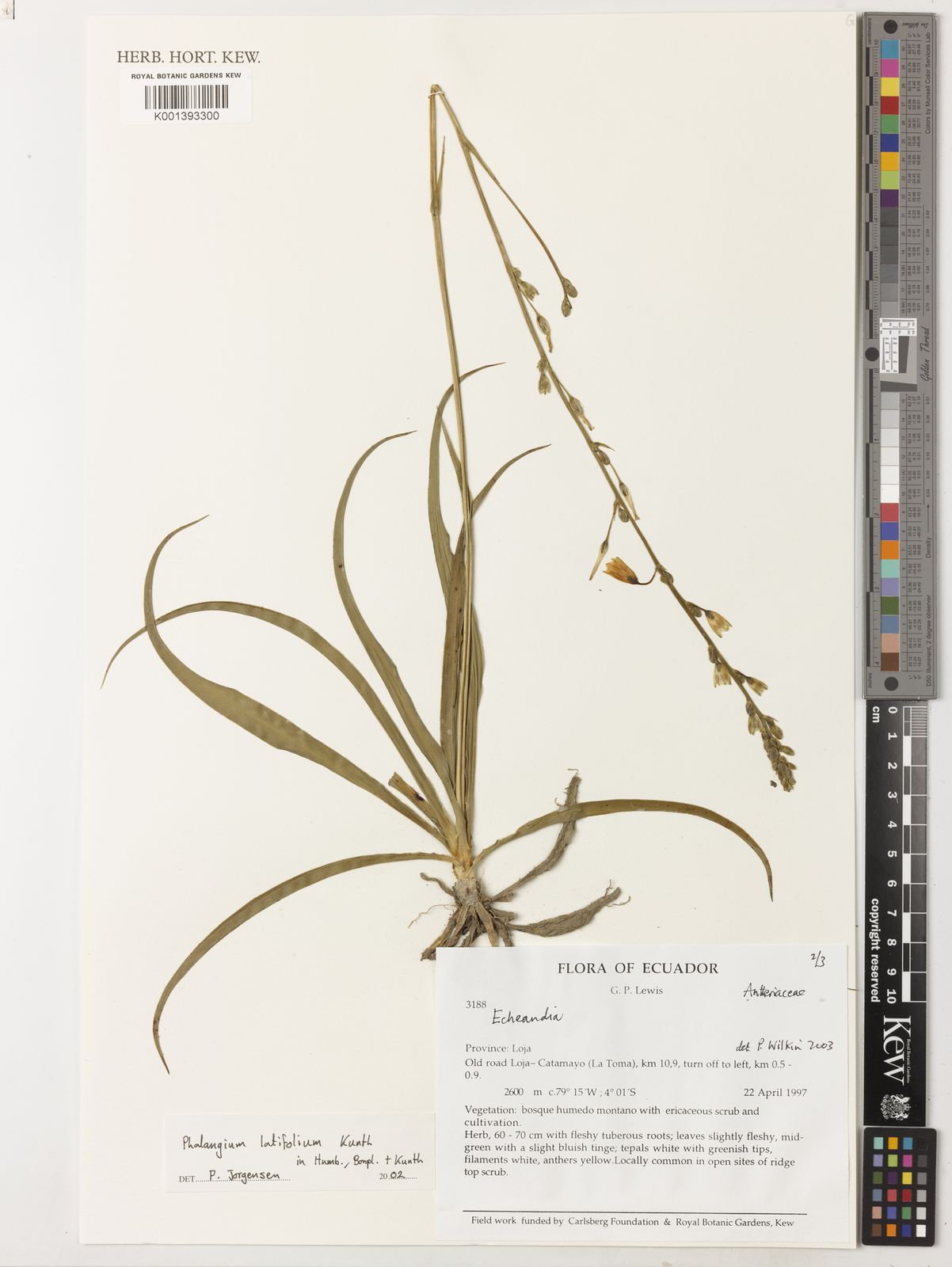
Trihesperus
Trihesperus is a small genus of flowering plants in the family Asparagaceae, generally found in the Andes of Colombia, Ecuador, Peru, Bolivia, and northwest Argentina. Veitch Nurseries developed a cultivar of Trihesperus latifolius with striped foliage which they called Anthericum latifolium albo media pictum.
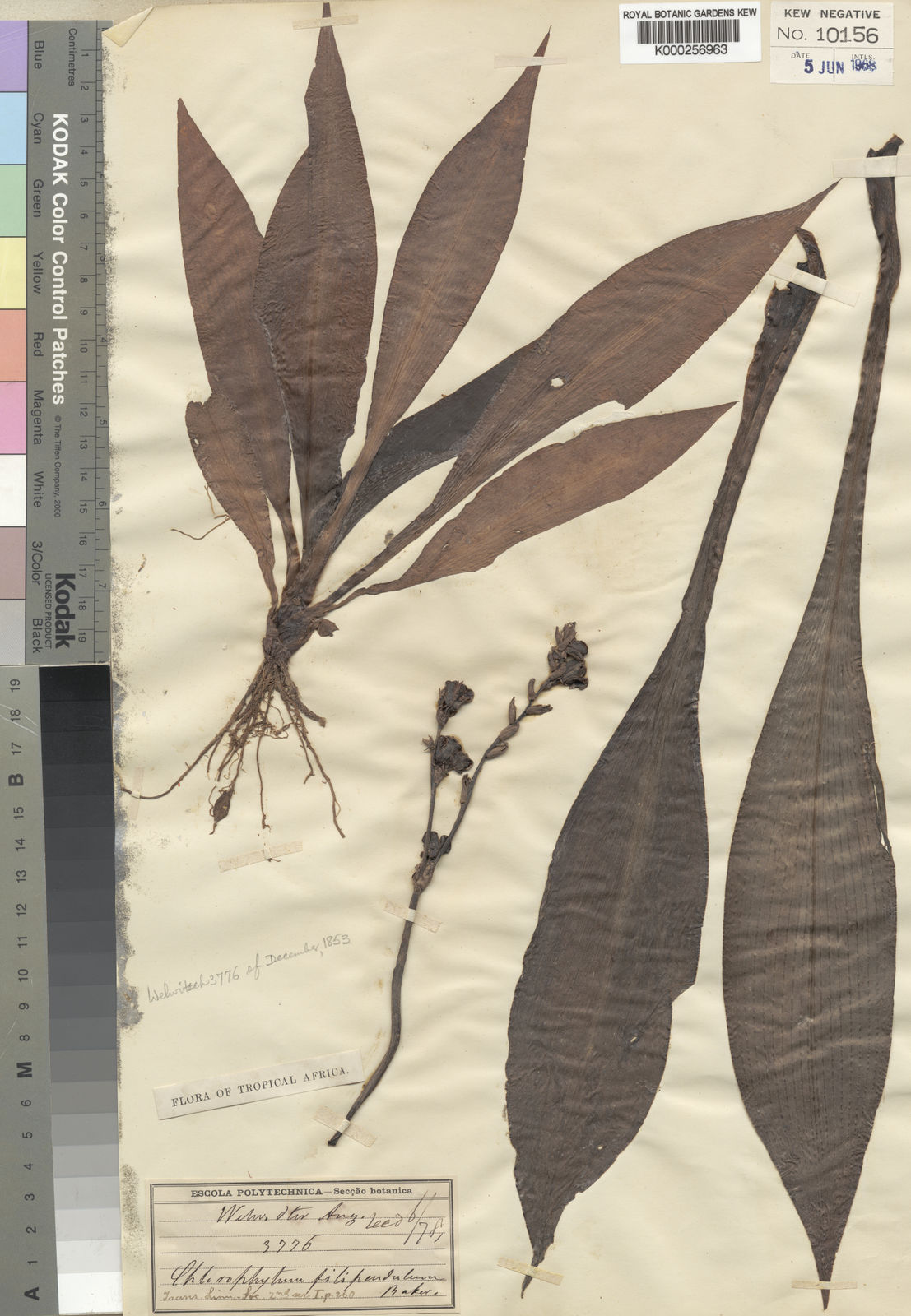
Chlorophytum filipendulum
species of plant
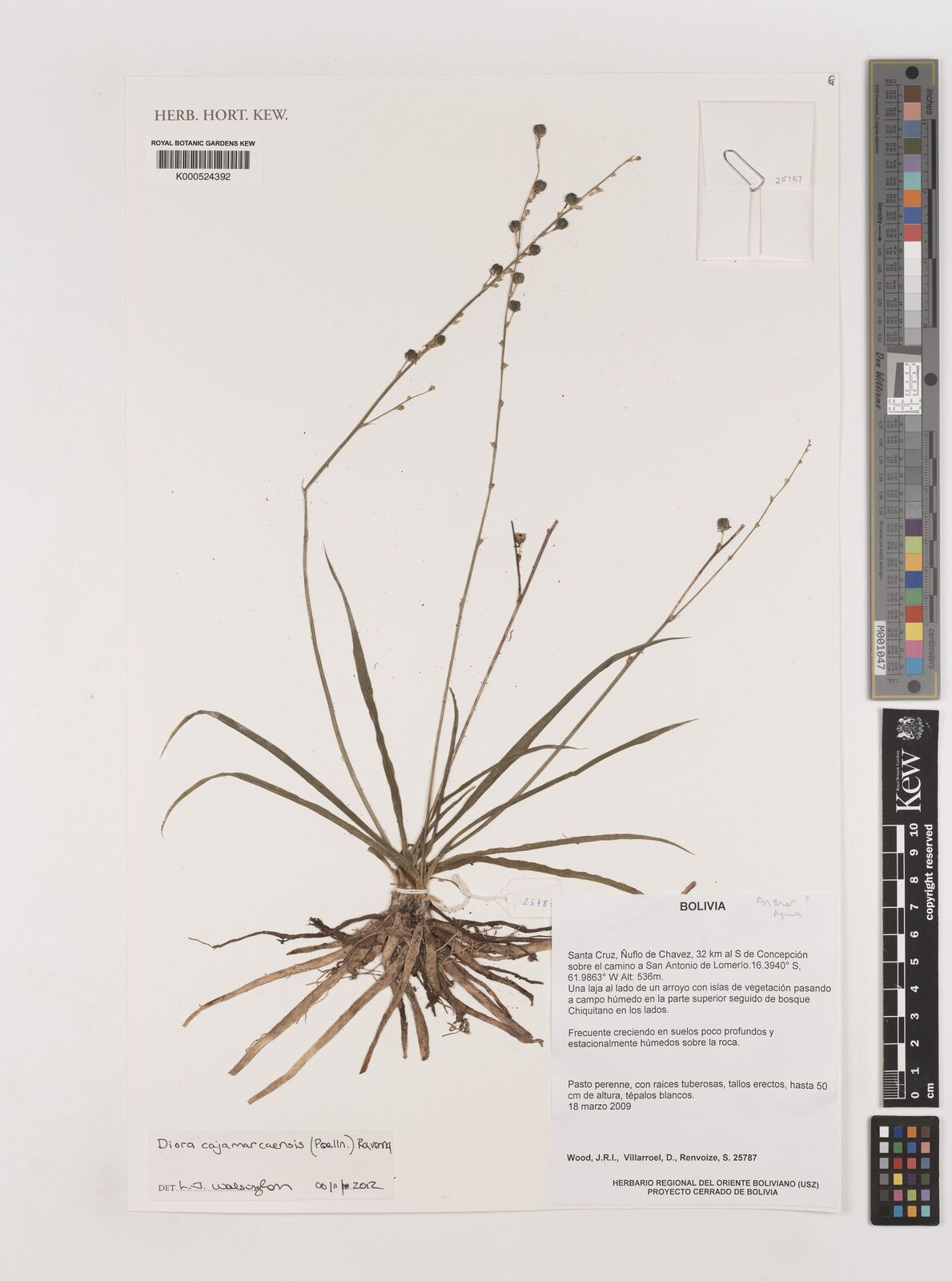
Diora cajamarcaensis
species of plant
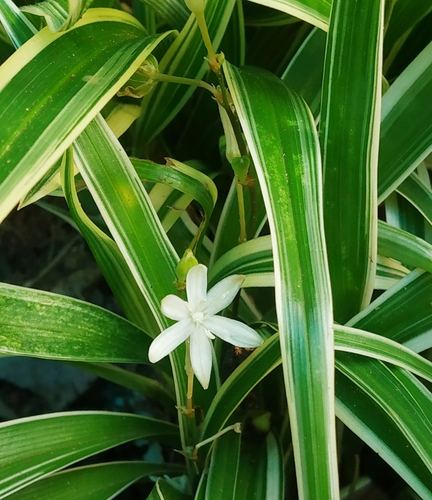
Chlorophytum laxum
species of plant

Hesperoyucca newberryi
species of plant

Diuranthera
thumb | right | Diuranthera major
Diuranthera is a small genus of flowering plants in the family Asparagaceae, endemic to central China. The Bouyei people of China use a decoction of Diuranthera major to treat gynecological conditions.

Hesperaloe funifera
species of plant
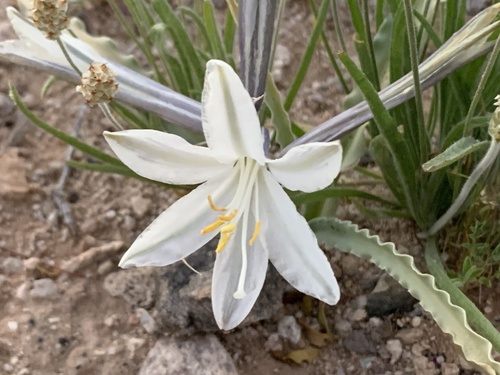
Hesperocallis
Hesperocallis is a genus of flowering plants that includes a single species, Hesperocallis undulata, known as the desert lily or ajo lily.
==Description==
Plants grow from an ovoid bulb with 2-3 leaves. Plants have ruffled edge leaves that are linear lanceolate 20-40 x 1-1.5 cm. Bracts are ovate1-1.5 cm long. Pedicils are 1 cm long. Flowers form on a 10-30 long inflorescence with many flowers. Flowers are white funnel shaped, with a blue green or silver gray band in the middle of the back of the petals. The seed capsules is 1.5 cm long and rigid. Seeds are 0.5 cm long.
==Distribution==
It is f
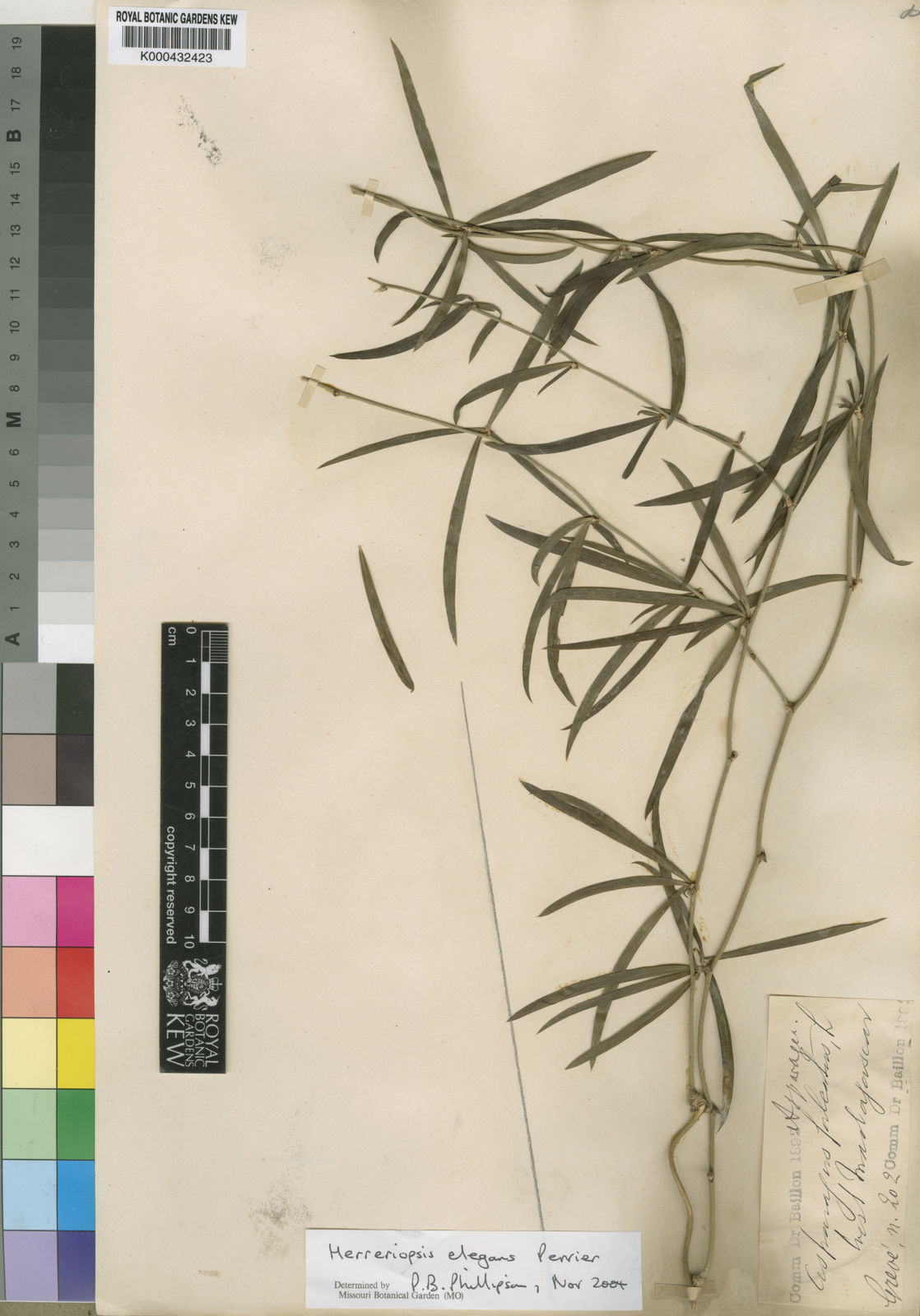
Herreriopsis
Herreriopsis is a monotypic genus of flowering plants in the family Asparagaceae. It is endemic to Madagascar. In the APG III classification system, the genus is placed in the family Asparagaceae, subfamily Agavoideae (formerly the family Agavaceae). The sole species is Herreriopsis elegans.

Chlorophytum holstii
species of plant
Clara
genus of plants
Echeandia reflexa
species of plant
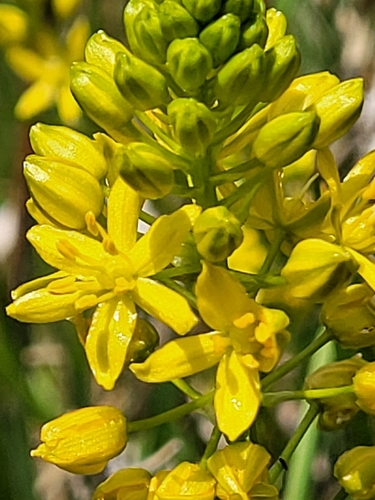
Schoenolirion croceum
species of plant

Chlorophytum inornatum
species of plant

Hastingsia alba
species of plant
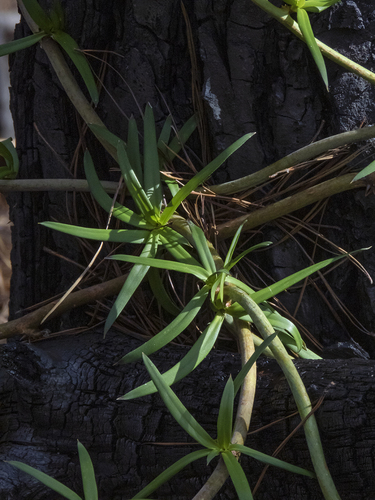
Herreria stellata
species of plant

Hastingsia serpentinicola
species of plant

Schoenolirion wrightii
species of plant

Hastingsia bracteosa
species of plant
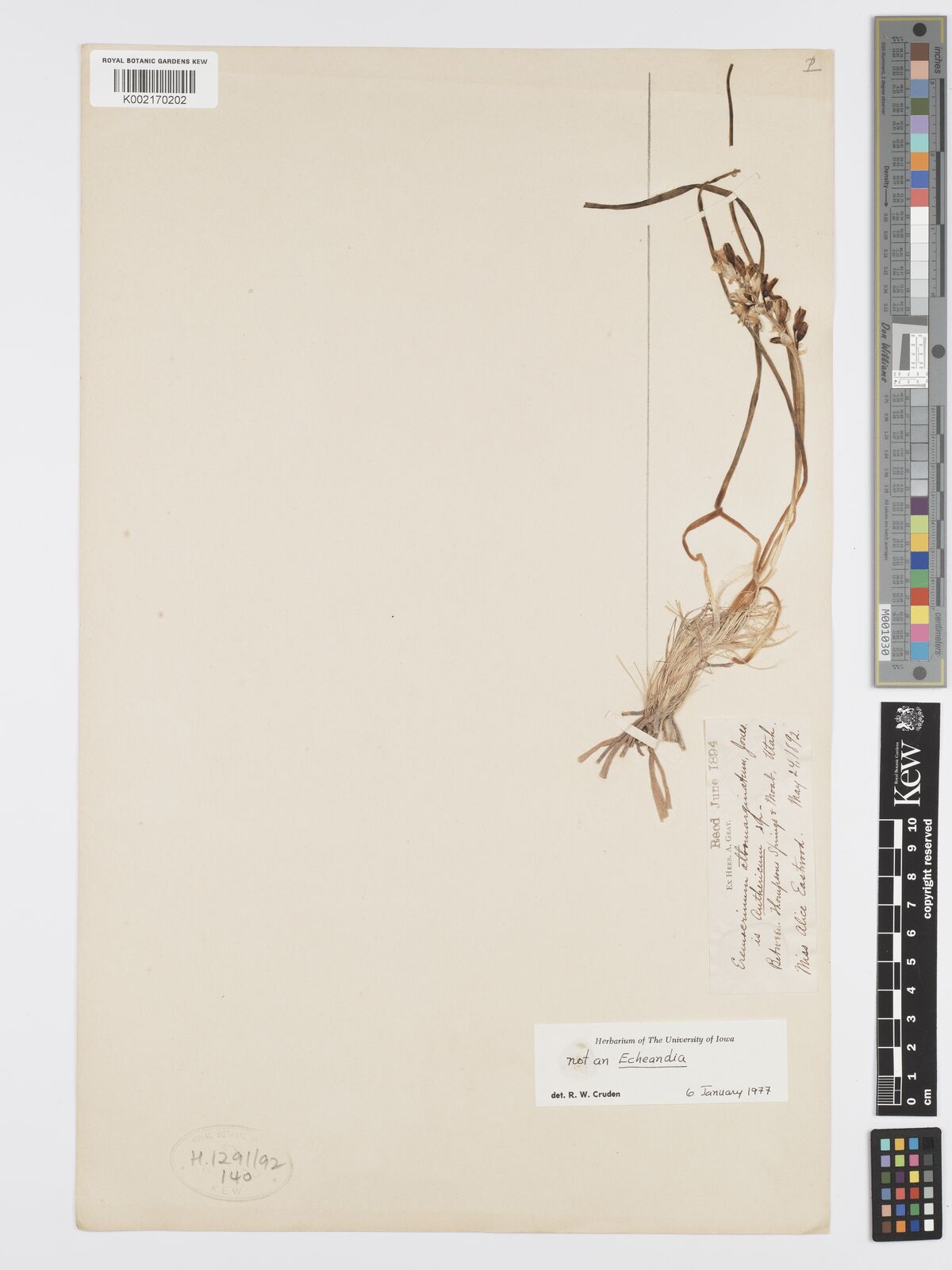
Eremocrinum
Eremocrinum is a monotypic genus of plants in the subfamily Agavoideae containing the single species Eremocrinum albomarginatum. It is known by the common names Utah solitaire lily, Intermountain false-wheatgrass, desert lily, lonely lily, and sand lily. It is native to the western United States, where it is known from Arizona and Utah.
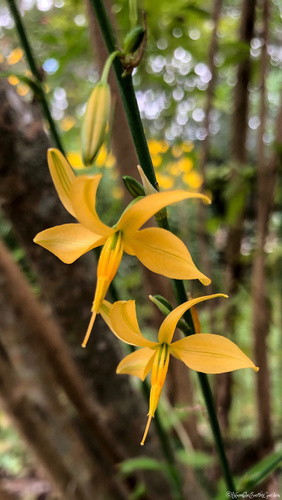
Echeandia texensis
species of plant
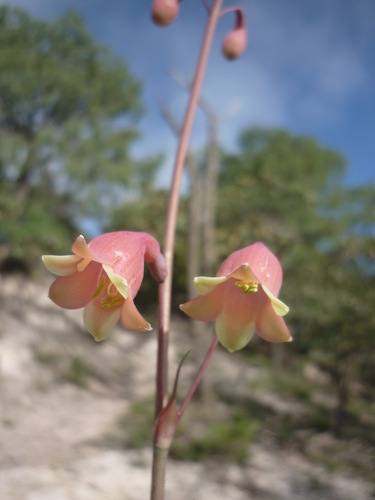
Prochnyanthes
Prochnyanthes is a genus of flowering plants in the family Asparagaceae. It includes a single species, Prochnyanthes mexicana, a tuberous geophyte native to northeastern and southwestern Mexico.
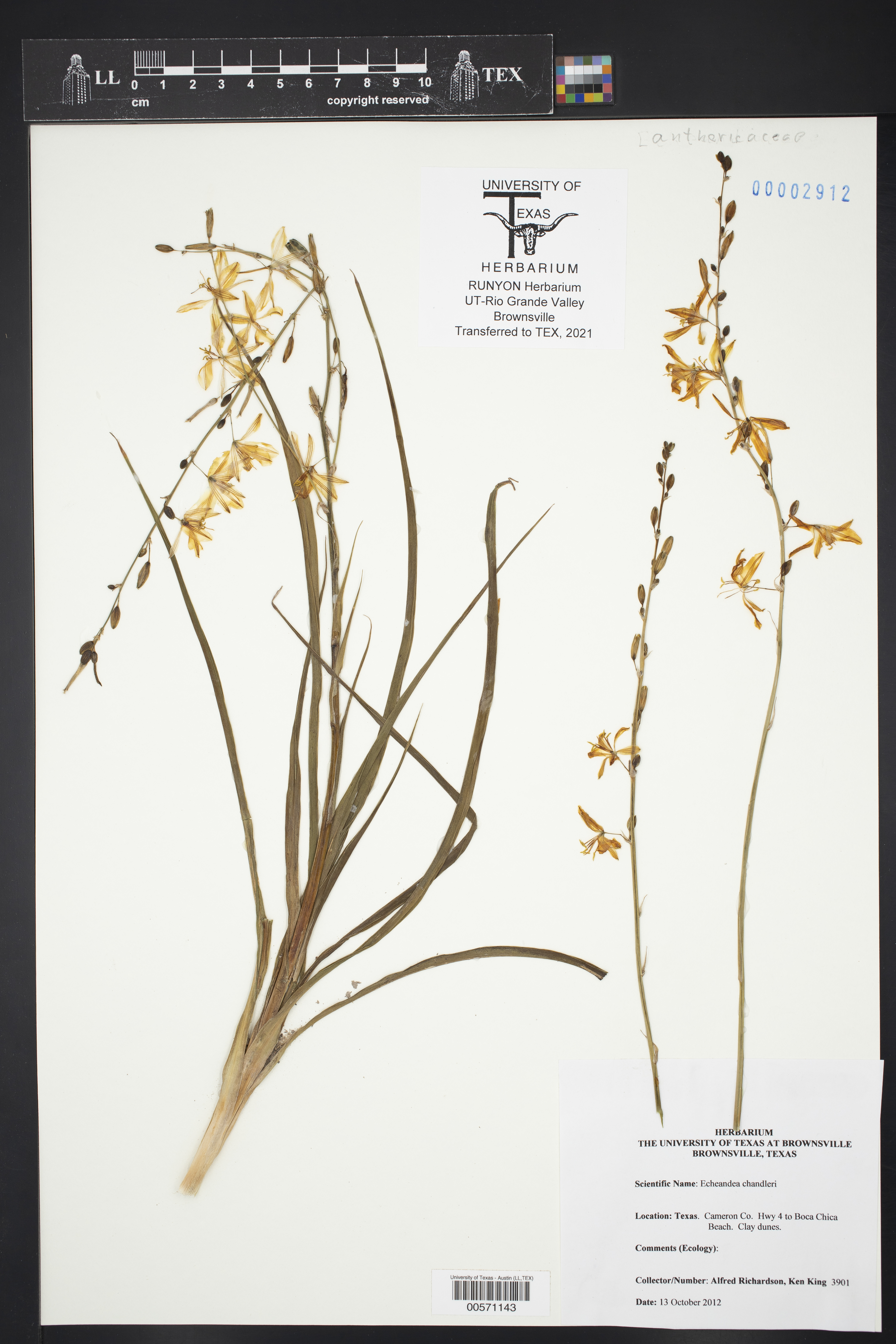
Echeandia chandleri
species of plant

Diamena
Diamena is a genus of plants in the Agavoideae. It contains only one known species, Diamena stenantha, endemic to the La Libertad region of Peru.
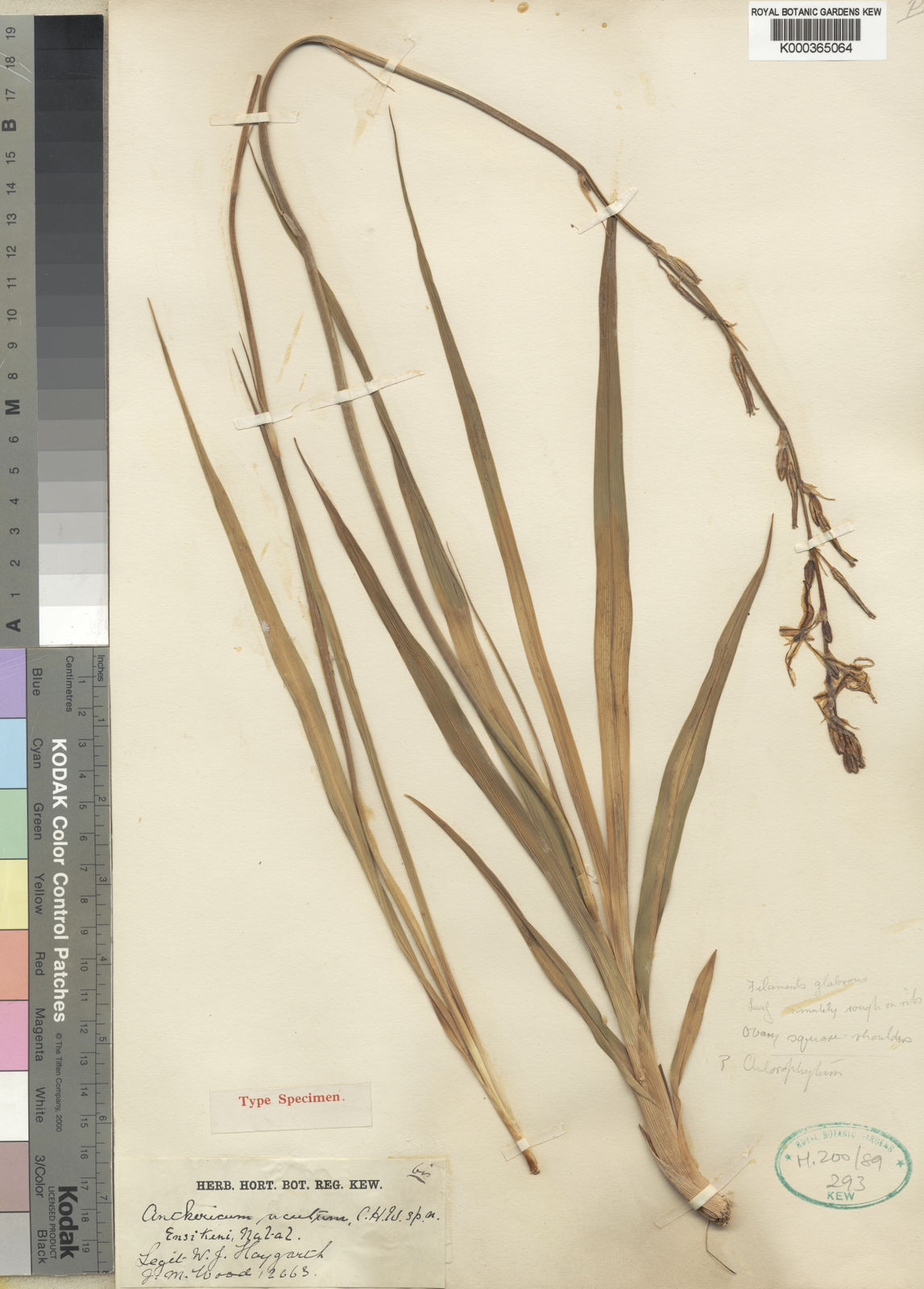
Chlorophytum acutum
species of plant