Category
page 1Agriculture by type

horticulture
thumb|A horticulture student tending to plants in a Market garden|garden in [[Lawrenceville, Georgia, March 2015]]
thumb|The Rock Garden, Leonardslee Gardens
Horticulture (from ) is the science and art of growing fruits, vegetables, flowers, or ornamental plants. Horticulture is different from general agriculture, agronomy, and gardening in that it involves specialization and controlled cultivation and management of plants and their ecosystems. It can be distinguished by its subfields and or unique botanical expressions. There are various divisions of horticulture because plants are grown for
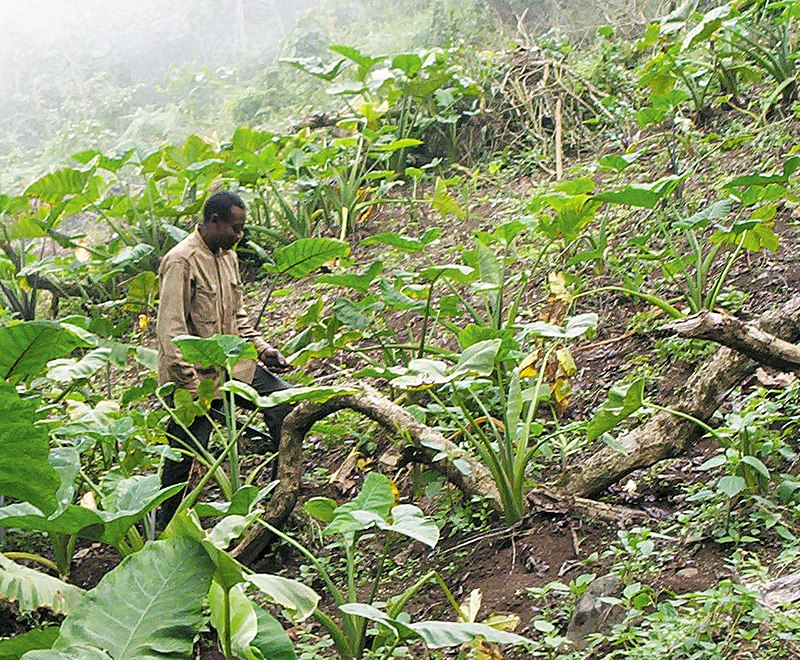
slash-and-burn
farming method in which plants are cut and burned; burning of forest or land area for agricultural purposes
subsistence agriculture
farming which meets the basic needs of the farmer and family

extensive farming
agriculture systems that involve low inputs and outputs relative to land area
biodynamic agriculture
method of organic farming based on esoteric concepts of Rudolf Steiner
Dryland farming
techniques for non-irrigated farming when it is normally required
shifting cultivation
Shifting cultivation or Jhum cultivation

smallholding
thumb|upright=1.2|alt=Diversified Crop Choices|Gender roles in agriculture|Female smallholder farmers in Kenya. In many parts of Africa and other parts of the world, women are the primary smallholders. In many contexts, women face unequal access to land, markets, knowledge, and other assets needed to maintain their farms.
thumb|Small vegetable farm in Hainan, China
Conservation Agriculture
concept in agriculture
Rainfed agriculture
type of farming that uses rain for water
strip farming
method of farming which involves cultivating a field partitioned into long, narrow strips which are alternated in a crop rotation system

river valley civilization
classification of civilization
digital agriculture
electronic agricultural data collection, storage, analysis, and sharing
Paludiculture
Paludiculture is wet agriculture and forestry on peatlands. Paludiculture combines the reduction of greenhouse gas emissions from drained peatlands through rewetting with continued land use and biomass production under wet conditions. "Paludi" comes from the Latin "palus" meaning "swamp, morass" and "paludiculture" as a concept was developed at Greifswald University. Paludiculture is a sustainable alternative to drainage-based agriculture, intended to maintain carbon storage in peatlands. This differentiates paludiculture from agriculture like rice paddies, which involve draining, and therefor
Desert farming
practice of developing agriculture in deserts