Category
page 1Agrimoniinae
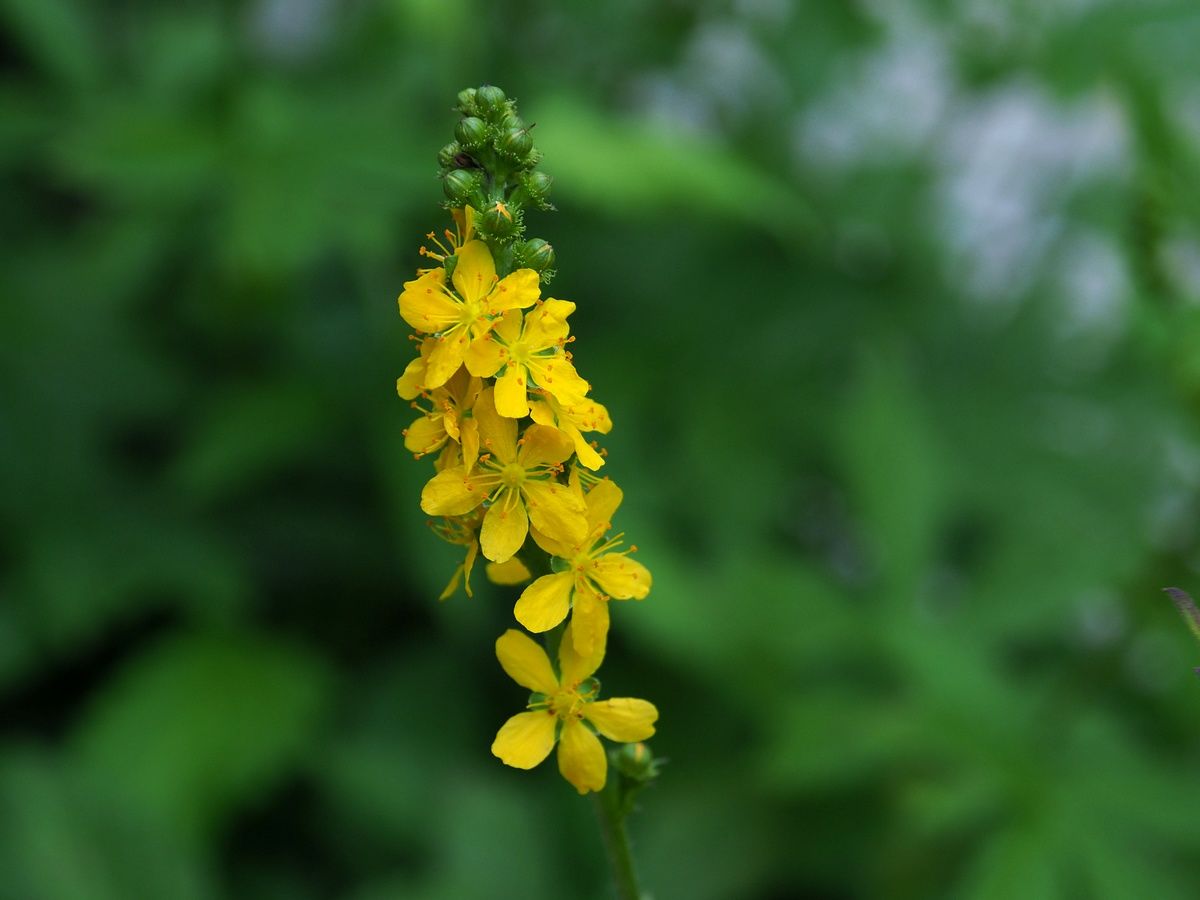
Agrimonia
Agrimonia (from the Greek ), commonly known as agrimony, is a genus of 12–15 species of perennial herbaceous flowering plants in the family Rosaceae, native to the temperate regions of the Northern Hemisphere, with one species also in Africa. The species grow to between tall, with interrupted pinnate leaves, and tiny yellow flowers borne on a single (usually unbranched) spike.

Hagenia abyssinica
Hagenia is a monotypic genus of flowering plant with the sole species Hagenia abyssinica, native to the high-elevation Afromontane regions of central and eastern Africa. It also has a disjunct distribution in the high mountains of East Africa from Sudan and Ethiopia in the north, through Kenya, Uganda, Rwanda, Burundi, Democratic Republic of Congo, and Tanzania, to Malawi and Zambia in the south. A member of the rose family, its closest relative is the Afromontane genus Leucosidea.

Spenceria
Spenceria ramalana is the lone species in the plant genus Spenceria, known by two varieties. S. ramalana grows from 18–32 cm. tall, and puts out yellow flowers from July through August; bearing fruit (yellowish-brown achenes) from September to October. The Chinese name, ma ti huang [马蹄黄], can be translated to mean "yellow horseshoe".
Aremonia
Aremonia agrimonoides, commonly known as bastard-agrimony, is a herbaceous flowering plant in the rose family, Rosaceae. The native range of this species is central and southeastern Europe to Türkiye. It is the sole species in genus Aremonia.
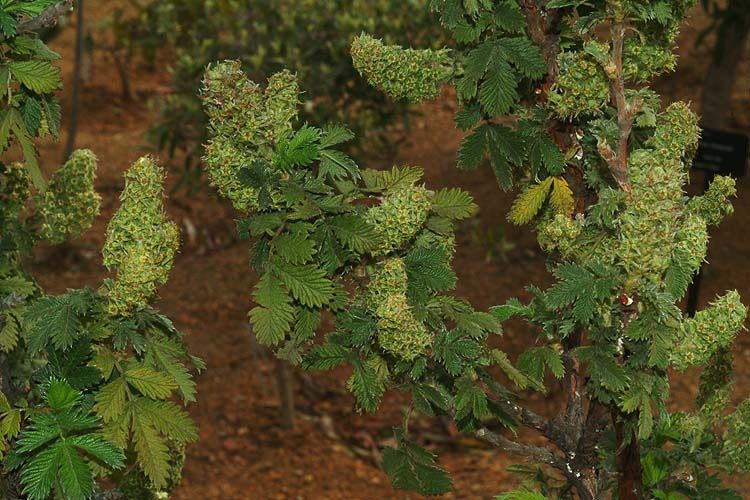
Leucosidea
Leucosidea sericea, commonly known as oldwood, is an evergreen tree or large shrub that grows in the highland regions of southern Africa. It is the sole species in the monotypic genus Leucosidea. The name oldwood may reflect the fact that the wood burns slowly, as if old and rotting; the gnarled, twisted trunks reinforce this impression.