Category
page 7Album chart usages for Germany

Life After Death
1997 studio album by The Notorious B.I.G.

Forbidden
1995 studio album by Black Sabbath

Pies descalzos
1995 studio album by Shakira

Aqualung
1971 studio album by Jethro Tull
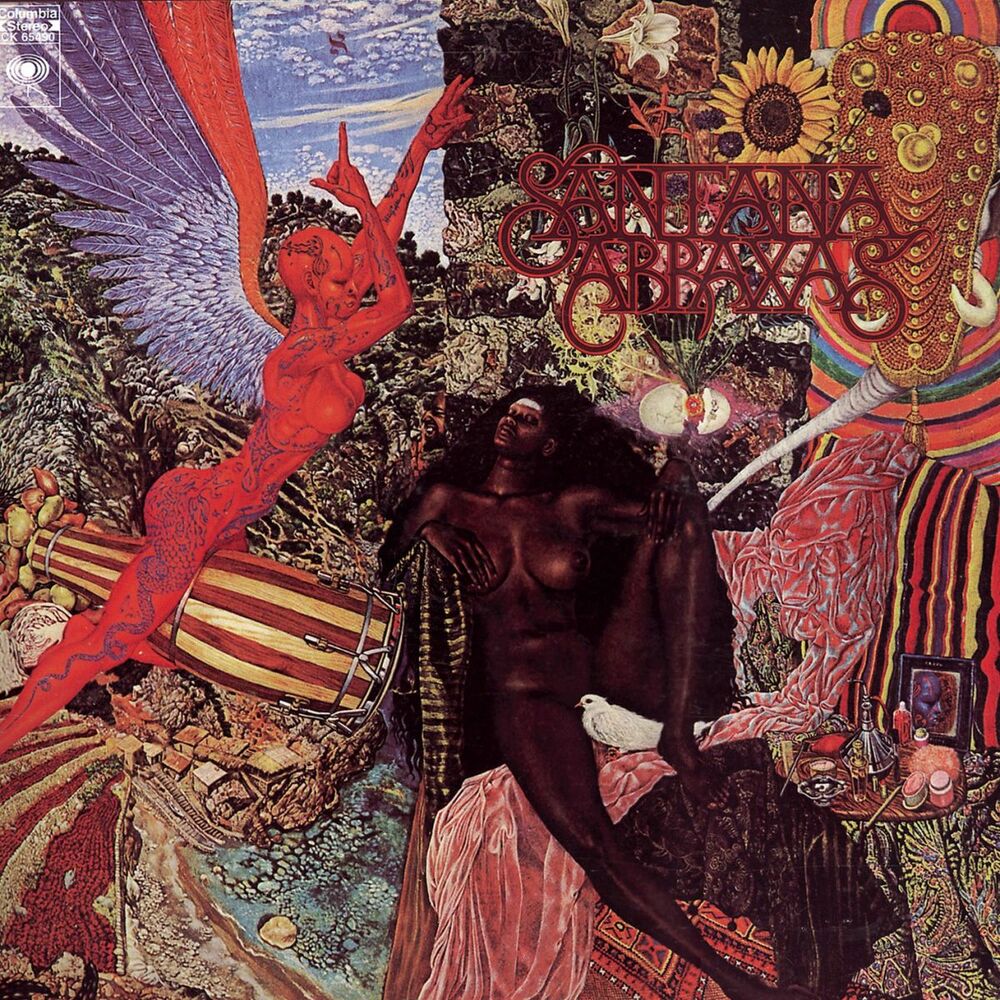
Abraxas
1970 studio album by Santana

Janet Jackson's Rhythm Nation 1814
1989 music album by Janet Jackson

Hounds of Love
1985 studio album by Kate Bush

Moment of Glory
2000 studio album by Scorpions and the Berlin Philharmonic

The Power to Believe
2003 studio album by King Crimson

Under the Iron Sea
2006 album by Keane

Strangeways, Here We Come
album by The Smiths

Blue Lines
1991 album by Massive Attack
Jar of Flies
1994 EP by Alice in Chains

The Miseducation of Lauryn Hill
1998 studio album by Lauryn Hill
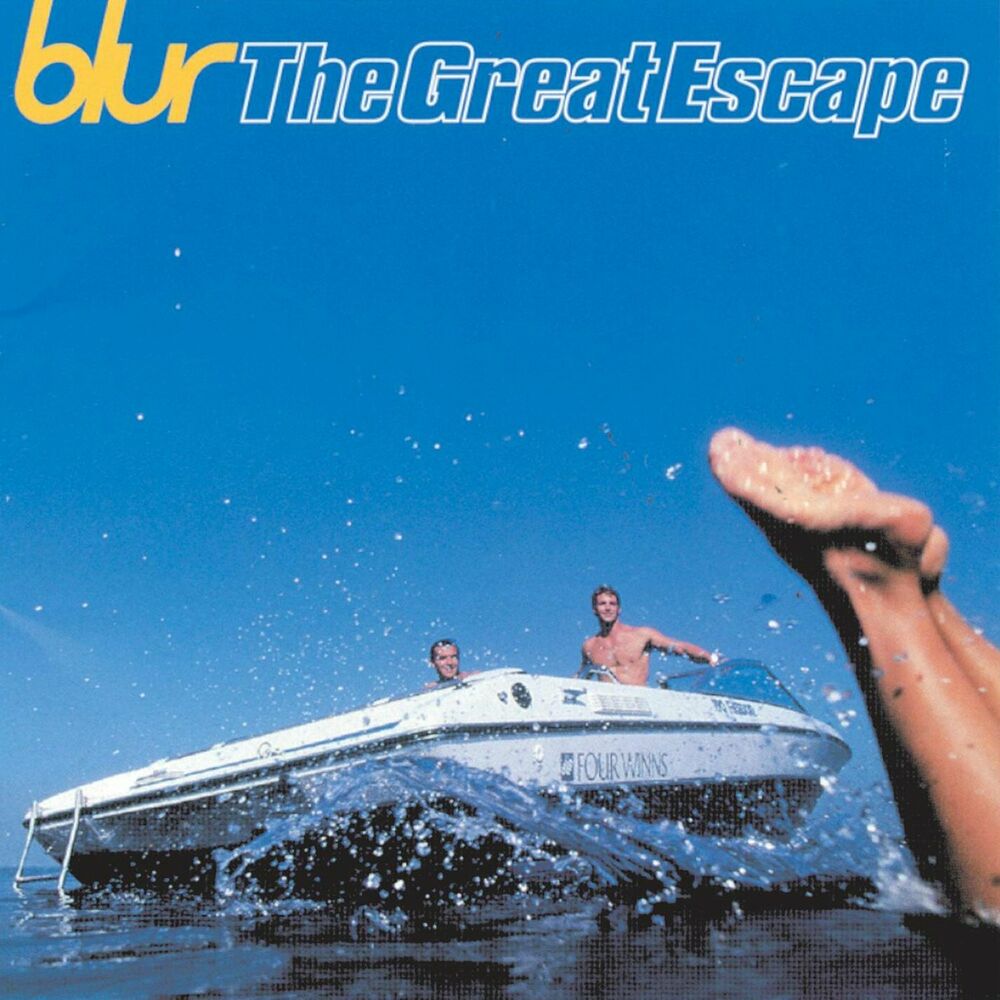
The Great Escape
1995 studio album by Blur

Another Perfect Day
1983 studio album by Motörhead

Post
1995 studio album by Björk

Rock in Rio
album

We Can't Dance
1991 studio album by Genesis

Riot Act
2002 album by Pearl Jam

Down on the Upside
1996 album by Soundgarden
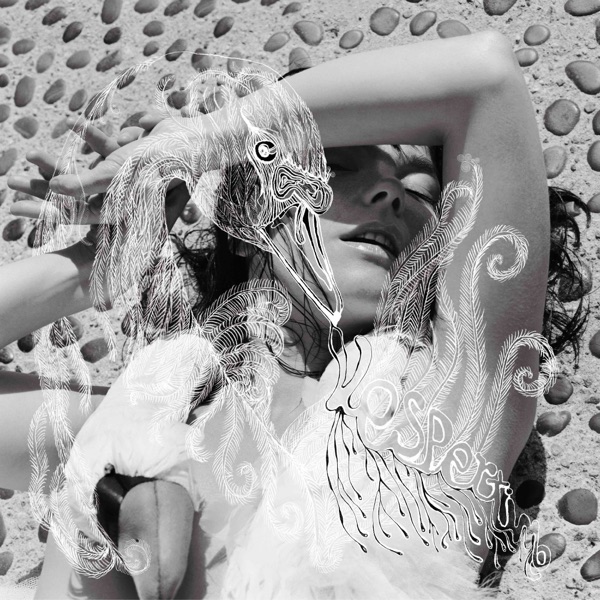
Vespertine
2001 studio album by Björk

The Eraser
album by Thom Yorke

Nebraska (album)
Nebraska is the sixth studio album by the American singer-songwriter Bruce Springsteen, released on September 30, 1982, through Columbia Records. Springsteen recorded the songs unaccompanied on a four-track recorder in the bedroom of his home in Colts Neck, New Jersey. He had intended to rerecord the tracks with the E Street Band but decided to release them as they were, after deeming the full-band renditions to be unsatisfactory. The tape contained seventeen songs, of which ten were used for Nebraska; the others appeared in full-band renditions on the follow-up album Born in the U.S.A. (1984) or as B-sides.

Mellon Collie and the Infinite Sadness
1995 studio album by The Smashing Pumpkins

Blackout
1982 studio album by Scorpions

Evil Empire
album by Rage Against the Machine

Blur
1997 self-titled studio album by Blur

No Angel
1999 debut studio album by Dido

A Real Live One
1993 live album by Iron Maiden

Adrenalize
Adrenalize is the fifth studio album by English rock band Def Leppard, released on 31 March 1992 through Mercury Records. It is the first album by the band recorded without guitarist Steve Clark, who died in 1991, although most songs were written and partially demoed before his death, they were re-recorded solo by Phil Collen in 1991–1992. It is the only album recorded by Def Leppard as a four-member band. Spawning six singles, four of them – "Let's Get Rocked", "Make Love Like a Man", "Have You Ever Needed Someone So Bad", and "Stand Up (Kick Love into Motion)" – were major hits.

Supernatural
1999 studio album by Santana
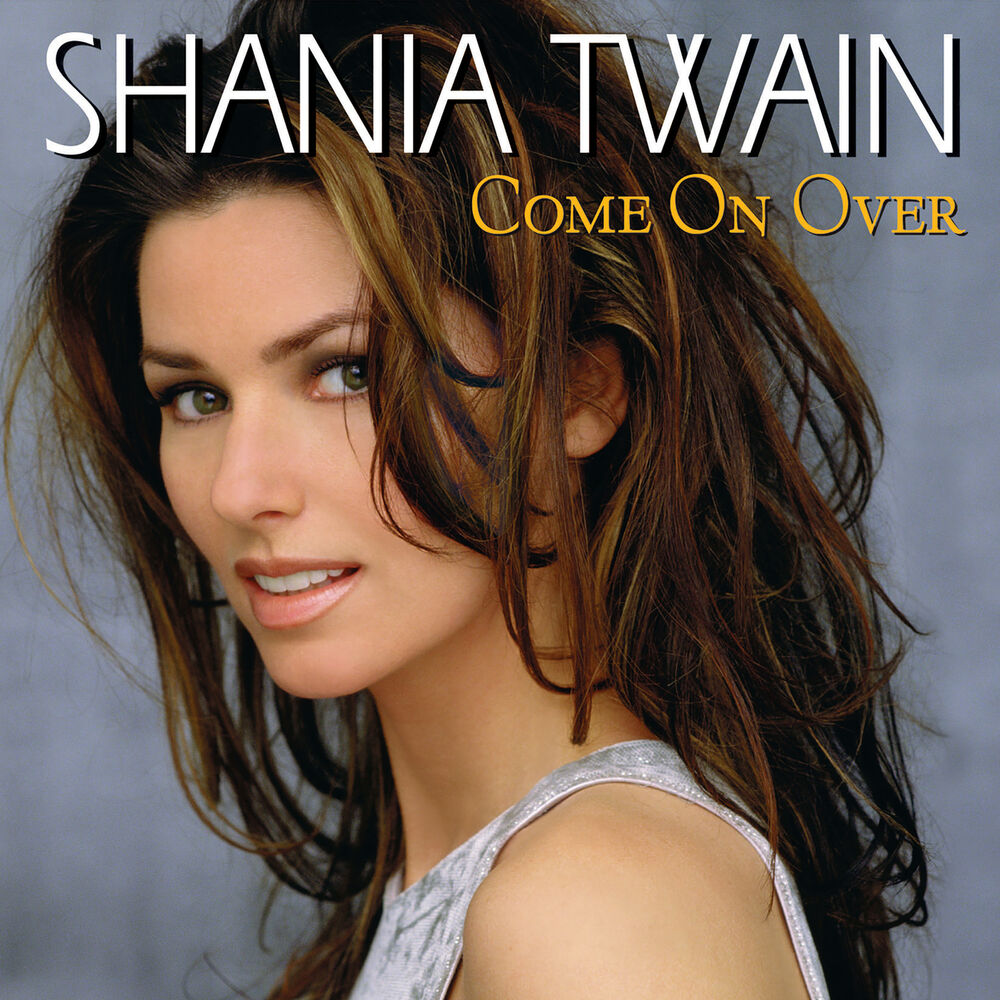
Come On Over
1997 studio album by country singer-songwriter Shania Twain

Wheels of Fire
1968 studio and live album by Cream

One by One
2002 studio album by Foo Fighters

Can't Take Me Home
2000 debut studio album by Pink
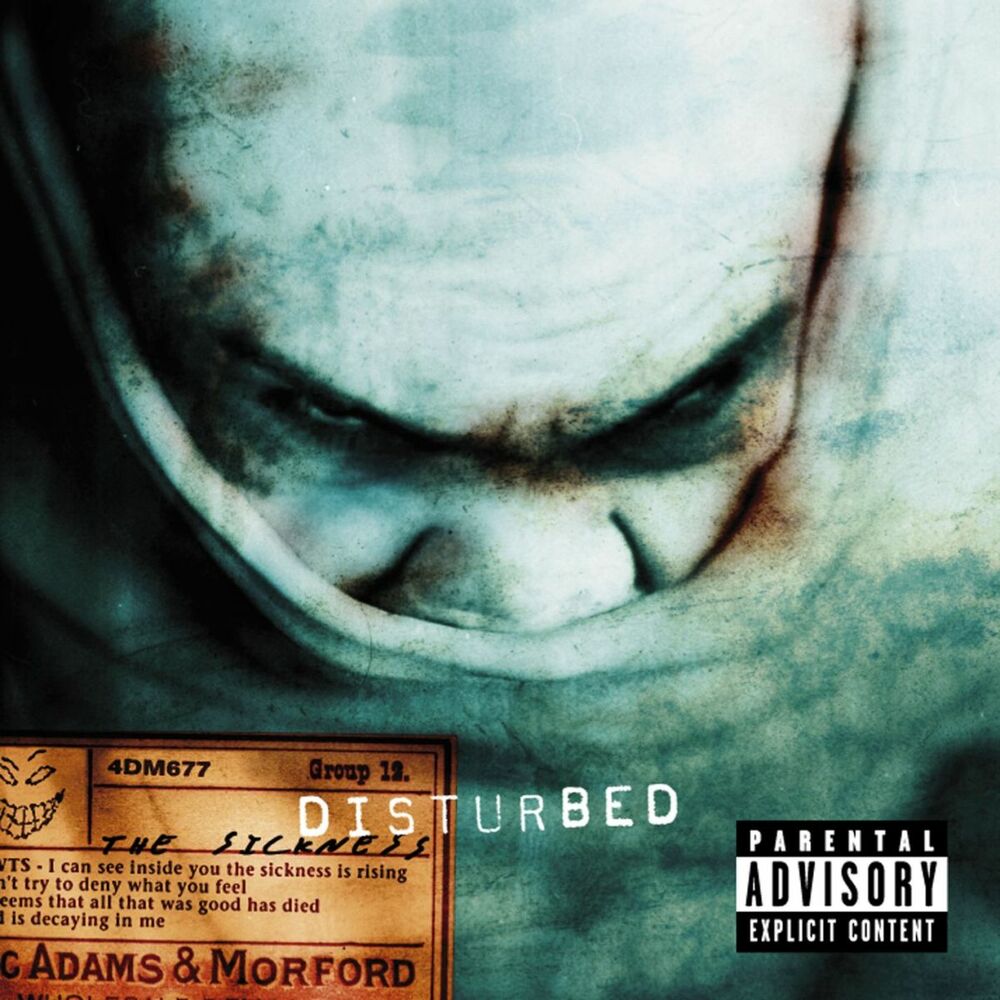
The Sickness
2000 studio album by Disturbed

Bookends
1968 studio album by Simon & Garfunkel

Pinkerton
1996 studio album by Weezer

There Is Nothing Left to Lose
1999 studio album by Foo Fighters

Tales from Topographic Oceans
album by Yes

Desire
1976 studio album by Bob Dylan

Quadrophenia
Quadrophenia is the sixth studio album by the English rock band the Who, released as a double album on 26 October 1973 by Track Records. It is the group's third rock opera, the previous two being the "mini-opera" song "A Quick One, While He's Away" (1966) and the album Tommy (1969). Set in London and Brighton in 1965, the story follows a young mod named Jimmy and his search for self-worth and importance. Quadrophenia is the only Who album entirely written by Pete Townshend.

Reggatta de Blanc
1979 studio album by The Police

Songs in A Minor
2001 debut studio album by Alicia Keys
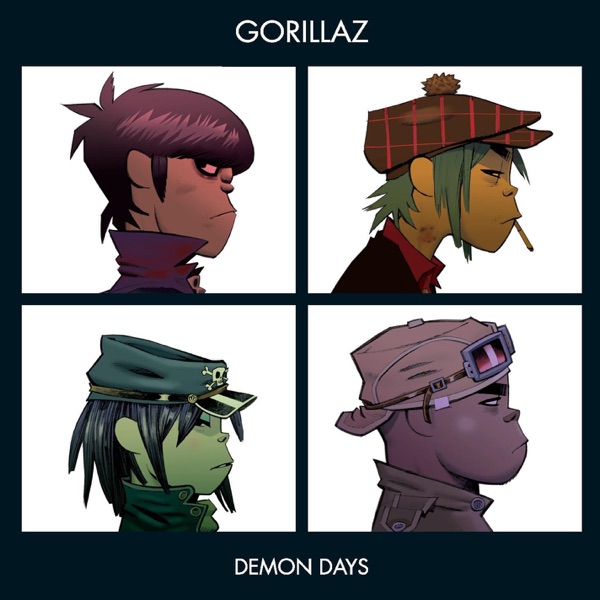
Gorillaz
2001 studio album by Gorillaz

Beneath the Remains
album by Sepultura

Medúlla
Medúlla is the fifth studio album by Icelandic recording artist Björk. It was released on 30 August 2004 in the United Kingdom by One Little Indian and in the United States by Elektra Entertainment. After the release of her electronic-influenced previous album Vespertine (2001), Björk intended to make an album almost entirely constructed with human vocals, in contrast to the previous album's intense process of composition and multiple layers of instrumentation. The album's title derives from the Latin word for "marrow".

No Need to Argue
1994 studio album by The Cranberries

Love Metal
2003 studio album by HIM

13
1999 studio album by Blur

Private Dancer
1984 studio album by Tina Turner
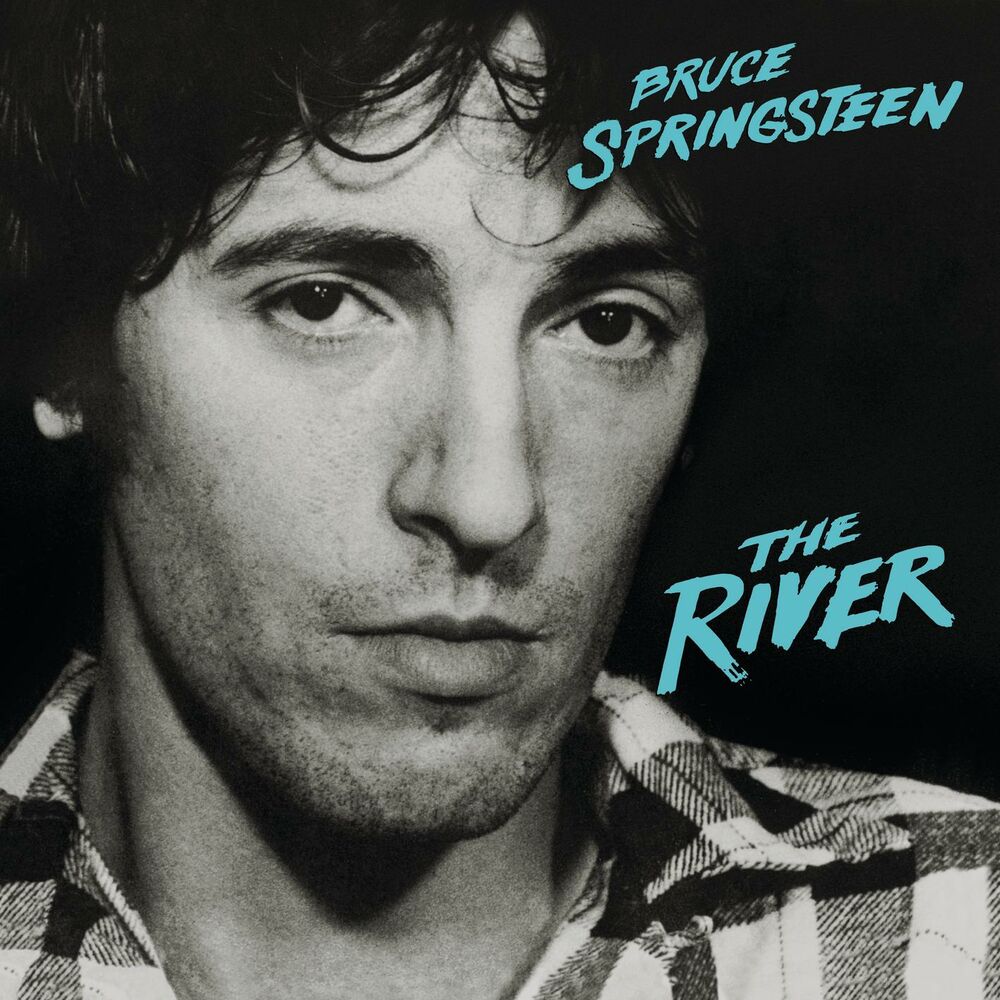
The River
1980 album by Bruce Springsteen

A Passion Play
album by Jethro Tull

Renegades
album by Rage Against the Machine

In Your Honor
2005 double studio album by Foo Fighters
Chess
musical with music by Benny Andersson and Björn Ulvaeus of the pop group ABBA, lyrics by Ulvaeus and Tim Rice, and book by Rice

Permanent Waves
1980 album by Rush

Signals
1982 studio album by Rush

Room on Fire
album by The Strokes