Category
page 1Alcohol abuse

alcoholism
Alcoholism is the continued drinking of alcohol despite it causing problems. Some definitions require evidence of dependence and withdrawal. Problematic alcohol use has been mentioned in the earliest historical records. The World Health Organization (WHO) estimated there were 283 million people with alcohol use disorders worldwide . The term alcoholism was first coined in 1852, but alcoholism and alcoholic are considered stigmatizing and likely to discourage seeking treatment, so diagnostic terms such as alcohol use disorder and alcohol dependence are often used instead in a clinical context.

alcohol intoxication
negative effect(s) induced by the ingestion of ethanol (alcohol)

hangover
A hangover is the experience of various unpleasant physiological and psychological effects usually following the consumption of alcohol, such as wine, beer, and liquor. Hangovers can last for several hours or for more than 24 hours. Typical symptoms of a hangover may include headache, drowsiness, weakness, concentration problems, dry mouth, dizziness, fatigue, muscle ache, gastrointestinal distress (e.g., nausea, vomiting, diarrhea), absence of hunger, light sensitivity, depression, sweating, hyper-excitability, high blood pressure, irritability, and anxiety.

Raymond Carver
penman, poet, screenwriter, novelist, prose writer, teacher, short story writer (1938-1988)
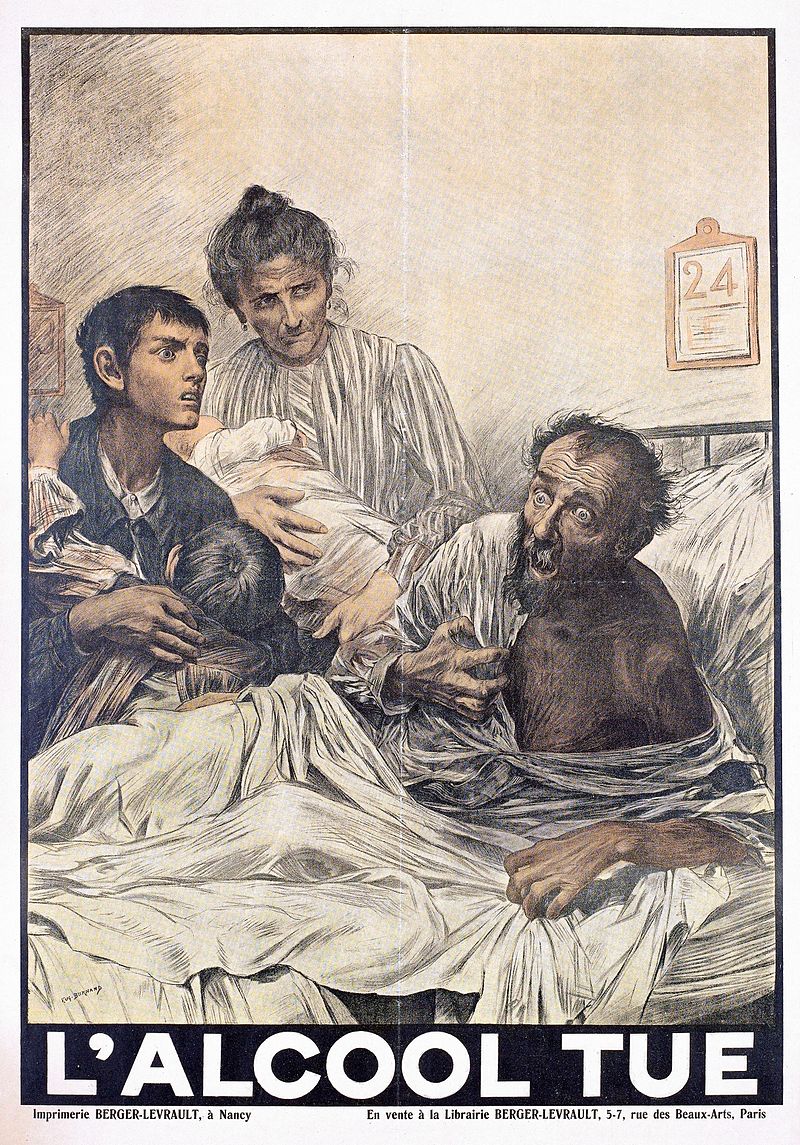
delirium tremens
rapid onset of confusion caused by alcohol withdrawal
disulfiram
Disulfiram is a medication used to support the treatment of chronic alcoholism by producing an acute sensitivity to ethanol (drinking alcohol). Disulfiram works by inhibiting the enzyme aldehyde dehydrogenase (specifically ALDH2), causing many of the effects of a hangover to be felt immediately following alcohol consumption. Disulfiram plus alcohol, even small amounts, produces flushing, throbbing in the head and neck, a throbbing headache, respiratory difficulty, nausea, copious vomiting, sweating, thirst, chest pain, palpitation, shortness of breath, hyperventilation, fast heart rate, low bl
alcohol withdrawal syndrome
set of symptoms that can occur after a reduction in alcohol use after excessive use
twelve-step program
set of guiding principles outlining a course of action for recovery
binge drinking
modern epithet for drinking alcoholic beverages with an intention of becoming intoxicated by heavy consumption of alcohol over a short period of time
alcohol abuse
substance abuse that involves the recurring use of alcoholic beverages despite negative consequences

sobriety
thumb|A breathalyzer is used to test for alcohol sobriety
Sobriety is the condition of not having any effects from alcohol and other drugs. Sobriety is also considered to be the natural state of a human being at birth. A person in a state of sobriety is considered sober. Organizations of the temperance movement have encouraged sobriety as being normative in society.
driving under the influence of a drug
driving a vehicle while the driver is under the influence of a drug that damages driving skill
seeing pink elephants
euphemism for drunken hallucination caused by alcoholic hallucinosis or delirium tremens
alcoholic hallucinosis
type of hallucinosis (pseudo-hallucination)
alcohol and cancer
relationship between cancer and the consumption of alcohol
alcoholic cardiomyopathy
disease in which the chronic long-term abuse of alcohol (i.e., ethanol) leads to heart failure
alcohol
active ingredient in alcoholic beverages

Matt Talbot
Irish Venerated Catholic
Sterno
thumb|right|250px|A can of Sterno aflame|alt=A grey colored can of Sterno on fire
Sterno is a brand of jellied denatured alcohol sold in and meant to be burned directly in its can. Popular both in commercial food service and home entertainment, its primary uses are as a fuel for heating chafing dishes in buffets and serving fondue. Other uses are for portable stoves and as an emergency heat source. It is also used with toy and model steam and other external combustion engines.
Adult Children of Alcoholics
Social and psychological factors that cause alcoholism in families
drunkorexia
Drunkorexia is a colloquialism for anorexia or bulimia combined with an alcohol use disorder. The term is generally used to denote the utilization of extreme weight control methods to compensate for planned binge drinking.
Research on the combination of an eating disorder and binge drinking has primarily focused on college-aged women, though the phenomenon has also been noted among young men. Studies suggest that individuals engage in this combination of self-imposed malnutrition and binge drinking to avoid weight gain from alcohol, to save money for purchasing alcohol, and to facilitate alcoh
High-functioning alcoholic
person who maintains jobs and relationships while exibiting alcoholism
Austrian syndrome
medical condition
media and gender
relationship between mass media and gender
drunken monkey hypothesis
theory that human attraction to ethanol derives from dependence of the primate ancestors of Homo sapiens on ripe and fermenting fruit as a dominant food source
Long-term impact of alcohol on the brain
effect of alcohol consumption
alcohol dependence
human disease