Category
page 1American poems
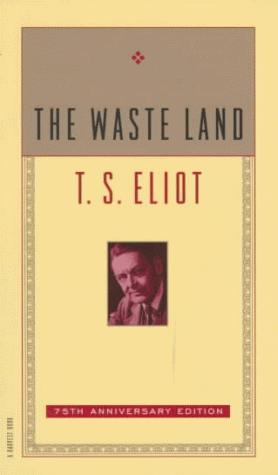
The Waste Land
poem by T.S. Eliot
A Visit from St. Nicholas
1823 poem attributed to Clement Clarke Moore

Desiderata
"Desiderata" (Latin: 'things desired') is a 1927 prose poem by the American writer Max Ehrmann. The text was widely distributed in poster form in the 1960s and 1970s.

Rhododendron canadense
species of plant
The New Colossus
Emma Lazarus poem

The Love Song of J. Alfred Prufrock
poem by T.S. Eliot
Lift Every Voice and Sing
American hymn composed in 1905 commonly known as the Black national anthem

The Cantos
long, incomplete poem in 116 sections (“cantos”), written by Ezra Pound from 1915 to 1962
The Revolution Will Not Be Televised
1971 song performed by Gil Scott-Heron

Ash Wednesday
poem by T. S. Eliot

The Hollow Men
poem by T. S. Eliot

Trees
poem by Joyce Kilmer
Barbara Allen
traditional ballad
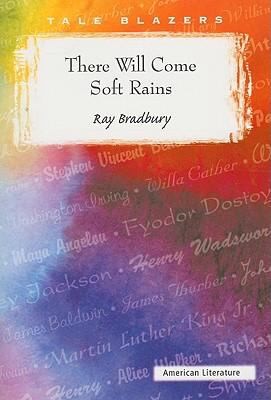
There Will Come Soft Rains
1920 poem written by Sara Teasdale
LA Who Am I to Love You
2020 poem by Lana Del Rey

Casey at the Bat
baseball poem written during 1888 by Ernest Thayer
Clarel
Clarel: A Poem and Pilgrimage in the Holy Land is an epic poem by American writer Herman Melville, originally published in two volumes in 1876. It is a poetic fiction about a young American man named Clarel, on pilgrimage through the Holy Land with a cluster of companions who question each other as they pass through Biblical sites. Melville uses this situation to explore his own spiritual dilemma, his inability to either accept or reject inherited Christian doctrine in the face of Darwin's challenge, and to represent the general theological crisis in the Victorian era.

Thinking
poem by Walter D. Wintle
Gerontion
"Gerontion" is a poem by T. S. Eliot that was first published in 1920 in Ara Vus Prec (his volume of collected poems published in London) and Poems (an almost identical collection published simultaneously in New York). The title is Greek for "little old man," and the poem is a dramatic monologue relating the opinions and impressions of an elderly man, which describes Europe after World War I through the eyes of a man who has lived most of his life in the 19th century. Two years after it was published, Eliot considered including the poem as a preface to The Waste Land, but was talked out of thi