Category
page 1Anaerobes

anaerobic organism
organism living in the absence of oxygen

Clostridium tetani
common soil bacterium and the causative agent of tetanus

Clostridium perfringens
species of bacteria
Fusobacterium
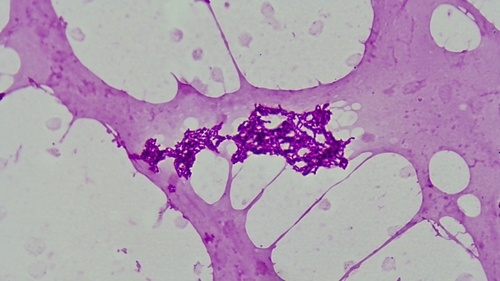
Fusobacterium is a genus of obligate anaerobic, Gram-negative, non-sporeforming bacteria belonging to Gracilicutes. Individual cells are slender, rod-shaped bacilli with pointed ends. Fusobacterium was discovered in 1900 by Courmont and Cade and is common in the flora of humans.

Cutibacterium acnes
gram-positive bacterium
Clostridioides difficile
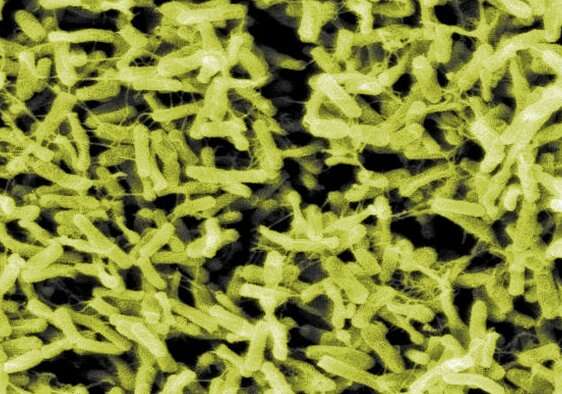
species of bacterium
Bacteroides
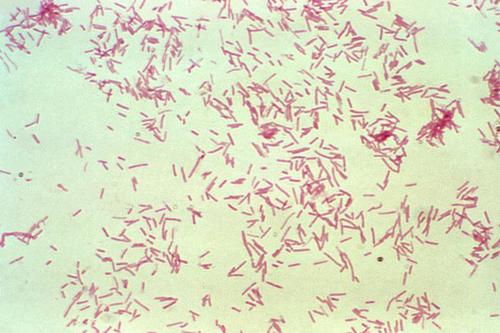
Bacteroides is a genus of Gram-negative, obligate anaerobic bacteria. Bacteroides species are non endospore–forming bacilli, and may be either motile or nonmotile, depending on the species. The DNA base composition is 40–48% GC. Unusual in bacterial organisms, Bacteroides membranes contain sphingolipids. They also contain meso-diaminopimelic acid in their peptidoglycan layer.

Bacteroides fragilis
species of bacterium

Oxymonadida
The oxymonads (or Oxymonadida) are a group of flagellated protists found exclusively in the intestines of animals, mostly termites and other wood-eating insects. Along with the similar parabasalid flagellates, they harbor the symbiotic bacteria that are responsible for breaking down cellulose. There is no evidence for presence of mitochondria (not even anaerobic mitochondrion-like organelles like hydrogenosomes or mitosomes) in oxymonads and three species have been shown to completely lack any molecular markers of mitochondria.

Clostridium septicum
species of bacterium
Veillonella
Veillonella are Gram-negative bacteria (Gram stain pink) anaerobic cocci, unlike most Bacillota, which are Gram-positive bacteria. This bacterium is well known for its lactate fermenting abilities. It is a normal bacterium in the intestines and oral mucosa of mammals. In humans they have been implicated in cases of osteomyelitis and endocarditis, for example with the species Veillonella parvula.
Fusobacterium nucleatum
species of bacterium
Fusobacterium necrophorum
species of bacterium
Thermoanaerobacterales
The Thermoanaerobacterales is a polyphyletic order of bacteria placed within the polyphyletic class Clostridia, and encompassing four families: the Thermoanaerobacteraceae, the Thermodesulfobiaceae, the Thermoanaerobacterales Family III. Incertae Sedis, and the Thermoanaerobacterales Family IV. Incertae Sedis, and various unplaced genera.

Clostridium pasteurianum
species of bacterium
Clostridium sordellii
species of bacterium
Thermoanaerobacter
Thermoanaerobacter is a genus in the phylum Bacillota (Bacteria). Members of this genus are thermophilic and anaerobic, several of them were previously described as Clostridium species and members of the now obsolete genera Acetogenium and Thermobacteroides
Trimastix
Trimastix is a genus of excavate protists, the sole occupant of the order Trimastigida. Trimastix are bacterivorous, free living and anaerobic. It was first observed in 1881 by William Kent. There are few known species, and the genus's role in the ecosystem is largely unknown. However, it is known that they generally live in marine environments within the tissues of decaying organisms to maintain an anoxic environment. Much interest in this group is related to its close association with other members of Preaxostyla. These organisms do not have classical mitochondria, and as such, much of the r

Clostridium tyrobutyricum
species of bacterium
Peptoniphilus
Peptoniphilus is a genus of bacteria in the phylum Bacillota (Bacteria).
Clostridium phytofermentans
species of bacterium
Clostridium novyi
species of bacterium
Clostridium piliforme
species of bacterium
Clostridium sporogenes
species of bacterium
Hathewaya histolytica
species of bacterium
Coprothermobacter proteolyticus
species of prokaryote of genus Coprothermobacter
Fervidicoccus
Fervidicoccus fontis is an extremophilic, coccus-shaped archaeaon known for thriving in high-temperature environments. It was discovered in Russia's Uzon Caldera and exhibits anaerobic, organotrophic metabolism, primarily fermenting organic compounds such as peptides and yeast extract. F. fontis is genetically distinct, sharing no more than 89% of its genetic material with its closest relatives. It is the sole species within the order Fervidicoccales and genus Fervidicoccus, although ongoing research suggests potential new species. It plays a significant role in biotechnological applications d
Clostridium saccharoperbutylacetonicum
species of bacterium
Clostridium scindens
species of bacterium
Clostridium paraputrificum
species of bacterium
Clostridium paradoxum
species of bacterium
Clostridium tertium
species of bacterium