Category
page 1Ancient Near East

Assyrian Empire
Assyria was a major ancient Mesopotamian civilization that existed as a city-state from the 21st century BC to the 14th century BC and eventually expanded into an empire from the 14th century BC to the 7th century BC.
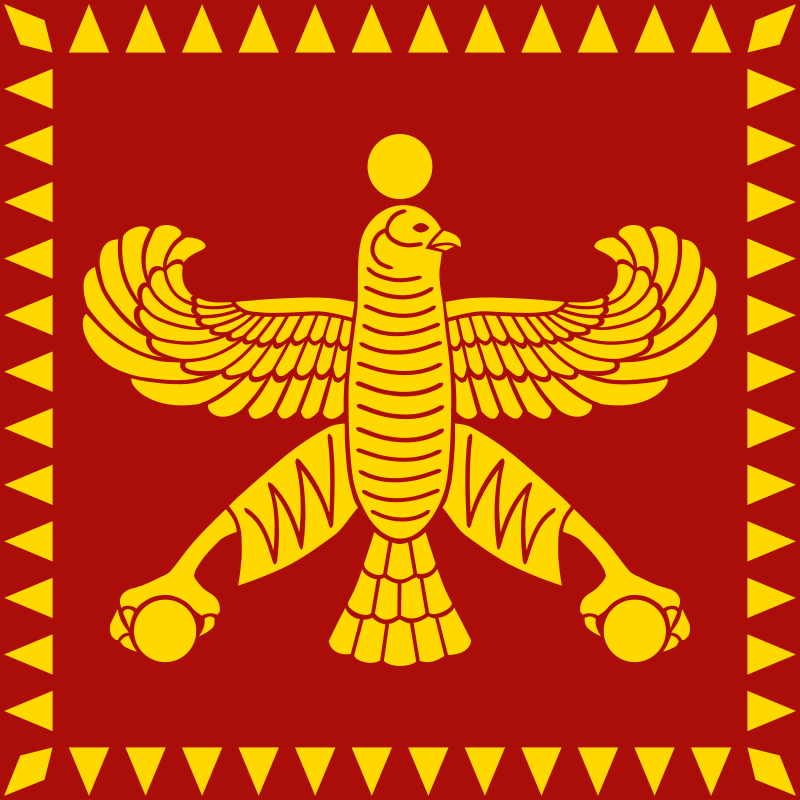
Achaemenid Empire
Iranian (Persian) empire (550–330 BC)

Phoenicia
Phoenicians were an ancient Semitic people who inhabited city-states in Canaan along the Levantine coast of the eastern Mediterranean, primarily in present-day Lebanon and parts of coastal Syria. Their maritime civilization expanded and contracted over time, with its cultural core stretching from Arwad to Mount Carmel. Through trade and colonization, the Phoenicians extended their influence across the Mediterranean, from Cyprus to the Iberian Peninsula, leaving behind thousands of inscriptions.

Parthian Empire
second ancient Iranian Empire (247 BC–224 AD)
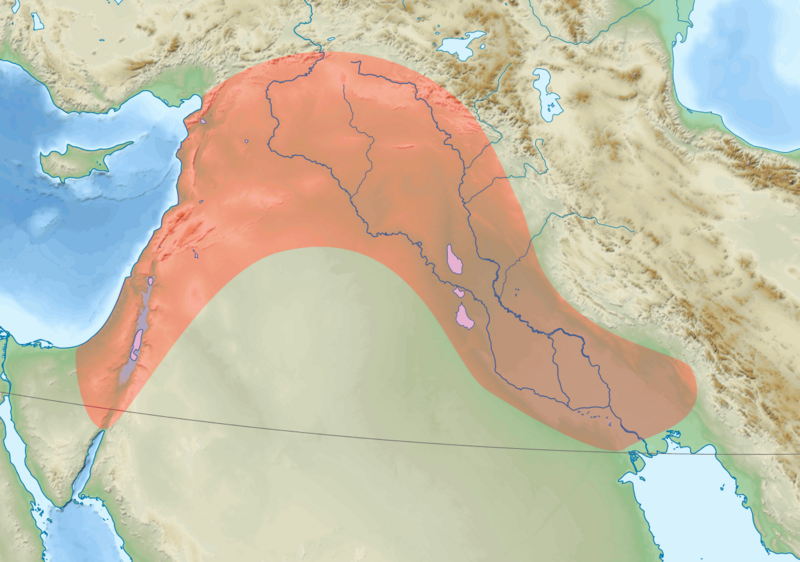
Fertile Crescent
crescent-shaped geographic region of the Middle-East, containing the moist and fertile land of Western Asia, and the Nile Valley and Nile Delta of northeast Africa

Urartu
Urartu was an Iron Age kingdom centered around the Armenian highlands between Lake Van, Lake Urmia, and Lake Sevan. The territory of the ancient kingdom of Urartu extended over the modern frontiers of Turkey, Iran, Iraq, Armenia, the southern regions of Georgia, and western regions of Azerbaijan. Its kings left behind cuneiform inscriptions in the Urartian language, a member of the Hurro-Urartian language family.
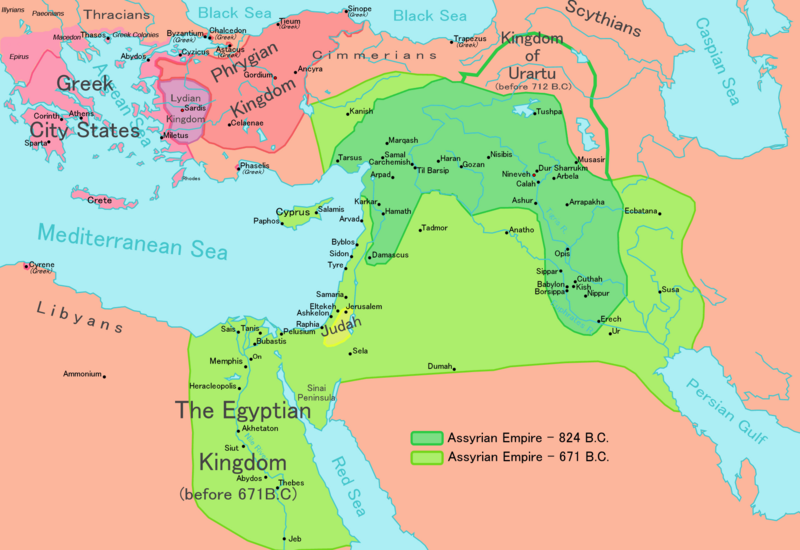
Neo-Assyrian Empire
historical state in Mesopotamia

Galatia
Galatia (; , Galatía, ) was an ancient area in the highlands of central Anatolia, roughly corresponding to the provinces of Ankara and Eskişehir in modern Turkey. Galatia was named after the Gauls from Thrace (cf. Tylis), who settled here and became a small transient foreign tribe in the 3rd century BC, following the Gallic invasion of the Balkans in 279 BC.

Neo-Babylonian Empire
former empire

ancient Near East
home of early civilizations within a region roughly corresponding to the modern Middle East
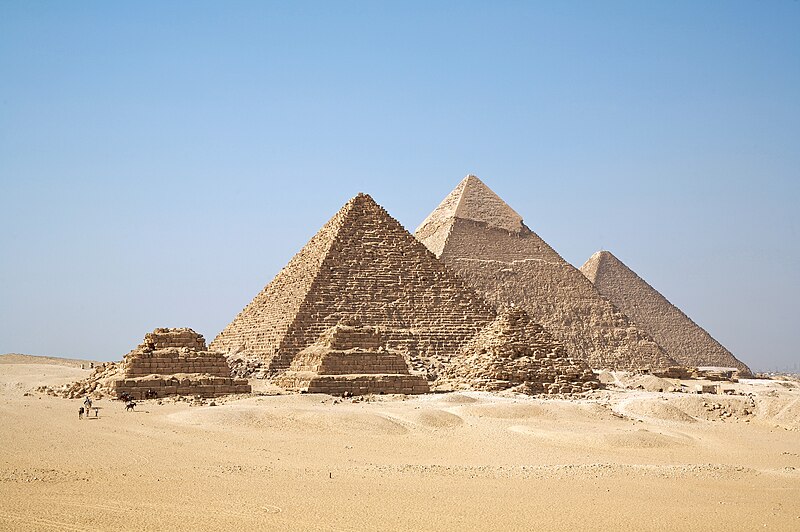
cradle of civilization
locations where civilization emerged

tell
ancient settlement mound
Bronze Age collapse
collapse of several civilizations at the end of the bronze age
Mesha Stele
Stele set up around 840 BCE by King Mesha of Moab
Mannaea
Mannaea (, sometimes written as Mannea; Akkadian: Mannai, Biblical Hebrew: Minni (מנּי)) was an ancient kingdom that flourished in northwestern Iran, primarily south and southeast of Lake Urmia, during the early first millennium BCE, roughly from the 10th to the 7th century BCE. It developed into a prominent regional power along the northeastern frontier of the Neo-Assyrian Empire, situated between major neighbors like Urartu and a constellation of smaller buffer states, such as Zikirta and Musasir. The capital of Mannaea was likely at Izirtu, near modern-day Saqqez.
mina
ancient Near Eastern unit of weight
Via Maris
ancient trade route linking Egypt with Syria, Anatolia and Mesopotamia
Syria Palaestina
Province of the Roman Empire (132–390 CE)

Philistia
Philistia refers to the territory inhabited by the Philistines in Canaan, where they maintained a pentapolis comprising the cities of Gaza, Ashkelon, Ashdod, Ekron, and Gath. For a time, Philistia also included Jaffa, which may have briefly changed hands with Israel before it was ultimately lost to the Neo-Assyrian Empire during Sennacherib's Levantine campaign.
Neo-Hittite states
successor states of the Hittite empire in the ancient Near East
4.2 kiloyear event
severe climatic event (c. 22nd century BCE), defining the beginning of the Meghalayan age, linked to the collapses of the Old Kingdom in Egypt, Akkadian Empire, Liangzhu culture, and Indus Valley Civilization
chronology of the ancient Near East
chronology article

Hayasa-Azzi
Hayasa-Azzi or Azzi-Hayasa (, ) was a Late Bronze Age confederation in the Armenian Highlands and/or Pontic region of Asia Minor. The Hayasa-Azzi confederation was in conflict with the Hittite Empire in the 14th century BCE, leading up to the collapse of Hatti around 1190 BCE. It has long been thought that Hayasa-Azzi may have played a significant role in the ethnogenesis of Armenians.
Middle Assyrian Empire
period in the history of Assyria after the fall of the Old Assyrian Empire in the 1300s BC

Wilusa
thumb|385x385px|Map of Bronze Age [[Near East depicting the location of Wilusa in Northwest Anatolia.]]
Aram
historical region including several Aramean kingdoms covering much of the present-day Syria, southeastern Turkey, and parts of Lebanon and Iraq.

Hamazi
thumb|260px|Vase fragments of Uhub. The top one has the fragmentary inscription Zababa Uhub Ensi Kish-ki ("God [[Zababa, Uhub Governor of Kish"). The second fragment from a different vase mentions "Pussusu conqueror of Hamazi (, ha-ma-ziki)". British Museum (BM 129401)]]
thumb|upright|"Hamazi" in the inscription of Uhub.
Hamazi or Khamazi (Sumerian: , ha-ma-ziki, or Ḫa-ma-zi2ki) was an ancient kingdom or city-state which became prominent during the Early Dynastic period. Its exact location is unknown.
Median Kingdom
ancient Iranian state (700–550 BC)
Aram-Naharaim
Aram-Naharaim ( ʾĂram Nahărayim, literally "Aram of the two rivers") is the biblical term for an ancient land along the great bend of the Euphrates River.
list of cities of the ancient Near East
Wikimedia list article
Umm an-Nar Culture
place in UAE
Madduwatta
275px|thumb|Anatolia during the Late Bronze Age
Seha River Land
kingdom in West-Anatolia
Neolithic founder crops
The eight plant species that were domesticated in early human settlements.
Levantine corridor
geographic corridor between the Mediterranean and the Arabian desert, which connects Africa to Eurasia
Armani
ancient kingdom mentioned by Sargon of Akkad
Prehistoric Georgia
Human habitation in Georgia before written records
proto-city
thumb|300x300px|A model of Çatalhöyük, a commonly cited example of a proto-city.
A proto-city is a large, dense Neolithic settlement that is largely distinguished from a city by its lack of planning and centralized rule. The term mega-sites is also used. While the precise classification of many sites considered proto-cities is ambiguous and subject to considerable debate, common examples include sites of the Pre-Pottery Neolithic B culture and following cultures in the Fertile Crescent such as Jericho and Çatalhöyük, sites of the Cucuteni-Trypillia culture in Southeast Europe, and of the Ubai
Paddan Aram
early Aramean kingdom in Mesopotamia
salting the earth
ritual of spreading salt on conquered cities to symbolize a curse on their re-inhabitation
Near Eastern archaeology
archaeological sub-discipline
Wadi Suq culture
ancient towns in Saudi Arabia
human settlements
Gilzan
thumb|The expansion of the Neo-Assyrian Empire under [[Shalmaneser III included the vassalisation of Gilzan.]]
thumb|Map of Urartu between 735 BC and 715 BC, Gilzan is shown west of [[Lake Urmia.]]Gilzan or the kingdom of Gilzan, also known as Gilzanu, was a late Bronze Age and early Iron Age kingdom in the ancient near east, lying between the ancient great powers of Assyria and Urartu. Not much is known about Gilzans history, Gilzan is primarily known from Assyrian and Urartian sources.

Tel Kabri
tell (hill city), containing one of the largest Middle Bronze (MB) Age (2,100–1,550 BC) Canaanite palaces in ancient Palestine
Amman Citadel Inscription
Ammonite inscription
Four Great Ancient Civilizations
theory which claim human civilization originate from four specific area
al-Ukhdud
Al-Okhdood () or Al-Okhdood Archaeological Site, is an ancient South Arabian town located in Najran Province in Saudi Arabia, southeast of the present-day city of Najran. Currently in ruins, the town dates back to at least 500 BCE and was formerly a hub for trading and commercial purposes. It is also famous for being the location where the Himyarite king Dhu Nuwas massacred the majority of the population of the city which had converted to Christianity from South Arabian polytheism.
Prehistoric Cyprus
period of history
Tarif de Marseille
3rd-century BC Punic inscription
Walmu
Walmu was a king of Wiluša, likely modern Hisarlık, in the late 13th century BC.
Sefire steles
Aramaic inscriptions
Thāj
Thāj () is an archaeological site and ancient town located west of Jubail in the Eastern Province, Saudi Arabia, located approximately 95 km from the coast of the Arabian Gulf. It is associated with the Hellenistic era. Many artifacts including pottery and jewellery have been discovered at Thāj, some of which are currently held in the British Museum. The site is noted for its potential identification with the lost ancient city of Gerrha.
Hafit period
early Bronze Age human settlement period
Phoenician settlement of North Africa
phoenician colonization in North Africa
Transjordan (Bible)
Biblical area of land in the Southern Levant lying east of the Jordan River valley
Tel Siran inscription
Ammonite-language inscription on a bronze bottle from Jordan
Maison de l'Orient et de la Méditerranée
research body in Lyon, France