Category
page 1Andean civilizations

Inca Empire
1438–1533 empire in South America
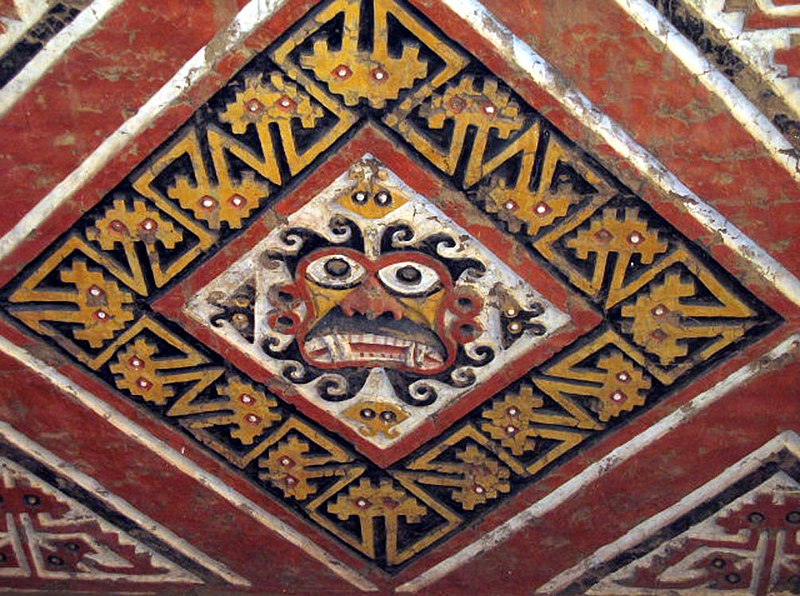
Moche culture
culture that flourished 100 to 700 during the Regional Development Epoch in modern Peru

Caral
The Sacred City of Caral-Supe, or simply Caral, is an archaeological site in Peru where the remains of the main city of the Caral civilization are found. It is located in the Supe District of Peru, near the current town of Caral, north of Lima, from the coast and 350 meters above sea level. It is attributed an antiquity of 5,000 years and it is considered the oldest city in the Americas and one of the oldest in the world. No other site has been found with such a diversity of monumental buildings or different ceremonial and administrative functions in the Americas as early as Caral. It has been

Nazca culture
civilization
Caral–Supe civilization
complex pre-Columbian era society that included as many as 30 major population centers in what is now the Norte Chico region of north-central coastal Peru
Wari
Middle Horizon (Pre-Inca Culture) civilization that flourished in the south-central Andes and coastal area of modern-day Peru, from about AD 500 to 1000
Chimú culture
civilization
Chachapoya culture
Peruvian nation and culture
Andean civilizations
civilizations of the central Andean region of South America

Paititi
thumb|Minerva, together with Mercury, bring [[Atahualpa out of the tomb.]]
Paititi is a legendary Inca lost city or utopian rich land. It allegedly lies east of the Andes, hidden somewhere within the remote rainforests of southeast Peru, northern Bolivia or northwest Brazil. The Paititi legend in Peru revolves around the story of the culture-hero Inkarri, who, after he had founded Q'ero and Cusco, retreated toward the jungles of Pantiacolla to live out the rest of his days in his refuge city of Paititi. Other versions of the legend see Paititi as an Inca refuge in the border area between Boliv

Cañari
thumb|right|200px|Cañari musicians
thumb|right|200px|A Cañari weaver at his loom
.jpg)
Chimor
thumb|400px|Chimú Tapestry Shirt, 1400–1540, Camelid fiber and [[cotton – Dumbarton Oaks]]
Chanka people
The Chanka (or Chanca) were an ethnic group living in Pre-Columbian South America, whose chiefdom was part of the Chanka "confederation": a loose defensive alliance of various chiefdoms, such as the Vilcas, the Huancas, the Chancas, and the Poqras.

Kallawaya
alt=5 Kallawaya|thumb|A group of Kallawaya, 1900.
Sican culture
archaeological culture
Tiwanaku polity
Pre-Columbian polity based in the city of Tiwanaku in western Bolivia that extended around Lake Titicaca and Peru
Wari Empire
former country
Chincha people
Native American culture
Lima culture
pre-Incan civilization that existed on the central coast of ancient Peru.
Chancay culture
Civilization on the central coast of Peru between the yearS 1200 and 1470
Recuay culture
pre-Columbian culture in northwestern central Peru
Cultural periods of Peru
system for dating cultural periods in the Andean Region
tambo
Inca military and administrative structure

Cupisnique culture
thumb|right|Stirrup-handled Cupinisque ceramic vase 1250 BC (Larco Museum collection)
The Cupisnique culture was a pre-Columbian indigenous culture that flourished from c. 1500 to 500 BC along what now is Peru's northern Pacific coast. The culture had a distinctive style of adobe clay architecture. Artifacts of the culture share artistic styles and religious symbols with the Chavin culture that arose in the same area at a later date.
Panche people
Group of prehispanic indigenous people of Colombia

Kalasasaya
thumb|right|250px|General view of Kalasasaya
Virú culture
pre-Inca culture once found in Peru
Colla Kingdom
South American chiefdom
Guane culture
Extinct South American people
Ixiamas
Ixiamas is a town and municipality in the La Paz Department, Bolivia. It is on the level pampa northeast of the Cordillera Central foothills.
Inca cuisine
cuisine of the Inca civilization
Mollo culture
Andean civilization
Mitma
Mitma was a policy of forced resettlement employed by the Incas. It involved the forceful migration of groups of extended families or ethnic groups from their home territory to lands recently conquered by the Incas. The objective was to transfer both loyalty to the state and a cultural baggage of Inca culture such as language, technology, economic and other resources into areas that were in transition.
Lupaca
The Lupaca, Lupaka, or Lupaqa people were one of the divisions of the ancestral Aymaras. The Lupaca lived for many centuries near Lake Titicaca in Peru and their lands possibly extended into Bolivia. The Lupacas and other Aymara peoples formed powerful kingdoms after the collapse of the Tiwanaku Empire in the 11th century. In the mid 15th century they were conquered by the Inca Empire and in the 1530s came under the control of the Spanish Empire.
Ayarmaca
thumb|350px|Písac today, this valley was dominated for two centuries by the Ayarmacas until the Inca invasion.
The manor of Ayarmaca was an ethnic group that in the primitive era of the Inca manor was in full splendor, being feared by the Incas and other small Cusco manors of the time.
Wankarani culture
archaeological culture

Aymara kingdoms
group of native polities that flourished towards the Late Intermediate Period, after the fall of the Tiwanaku Empire, whose societies were geographically located in the Qullaw
axe-monies
thumb|Axe-money from Mexico at the Prehistory Museum of Valencia
Salinar
Archaeological culture of Ancient Peru
Sutagao people
ethnic group
Chiripa
Archaeological culture in Bolivia
Pucará
South American archaeological culture
Viracochapampa
Viracochapampa, Huiracochapampa, or Wiracochapampa (possibly from Quechua wiraqucha: mister, sir, gentleman, god; or Wiracocha: one of the greatest Andean divinities; and pampa: plain) is an archaeological site with the remains of a building complex of ancient Peru of pre-Inca times. It was one of the administrative centers of the Wari culture. Viracochapampa is located about 3.5 km north of Huamachuco in the region of La Libertad at an elevation of .
Cara culture
Andean civilization

Killke culture
pre-Incan Peruvian culture
Las Haldas
cultural heritage site in Peru
Paiján culture
archaeological site in La Libertad department, Peru
Casma–Sechin culture
archaeological site in Peru
Chiribaya culture
archaeological site in Peru
Tallán
Tallán (or Tacllán, after the use of the taclla, a farming tool) was a conglomerate of ethnic groups with a common origin that settled in the plains of north-western Peru, an ethnos with a matriarchal system. (Due to their possible kinship, the Tumpis, who settled in the current Department of Tumbes, are widely considered one of these ethnic groups.) They had migrated to the coastal plains from the Sierra.