Category
page 1Anti-Japanese sentiment

Vladimir Zhirinovsky
Russian politician (1946–2022)
Hiram Johnson
California governor (1911-17) and senator (1917-45)

The Cove
2009 film by Louie Psihoyos
R.F. Kuang
Chinese-American writer
anti-Japanese sentiment
hatred or fear of anything Japanese
1995 Okinawa rape incident
rape of 12-year-old Japanese girl by U.S. servicemen

Jap
thumb|Headlines announcing Surrender of Japan|Japan's surrender in [[World War II]]
Jap is an English abbreviation of the word "Japanese". In the United States, Japanese Americans have come to find the term offensive because of the internment they suffered during World War II. Before the attack on Pearl Harbor, Jap was not considered primarily offensive. However, following the bombing of Pearl Harbor and the Japanese declaration of war on the US, the term began to be used derogatorily, as anti-Japanese sentiment increased. During the war, signs using the epithet, with messages such as "No Japs
internment of Japanese Canadians
period of internment of Japanese people in Canada

Johnny Somali
Ramsey Khalid Ismael, better known as Johnny Somali, is an American former live streamer and YouTuber, best known for his provocative and hostile behavior while in other countries. Ismael has been banned from Twitch, Kick, Rumble and Parti. His behavior has resulted in his arrest, detention and conviction in various countries, including Japan, Israel, and South Korea. Ismael pled guilty to several charges in South Korea, and in 2026 he was sentenced to six months in prison.
Egon Freiherr von Eickstedt
German anthropologist (1892-1965)
Outline of the Post-War New World Map
1942 map by Maurice Gomberg
gook
Gook ( or ) is a derogatory term for people of East and Southeast Asian descent. Its origin is unclear, but it may have originated among U.S. Marines during the Philippine–American War (1899–1902). Historically, U.S. military personnel used the word "to refer to any dark-skinned foreigner, especially a non-European or non-American."Roediger, David. (March 1992).
anti-Japanese sentiment in the United States
history of racial discrimination
Malari incident
Series of Riots in Jakarta, 1974
Torreón massacre
Racially motivated massacre in 1911 in Torreón, Coahuila, Mexico
Tokutei Asia
The three anti-Japanese Asian countries: China, South Korea, and North Korea
racism in Mexico
actions of contempt or rejection towards a specific group within Mexican society
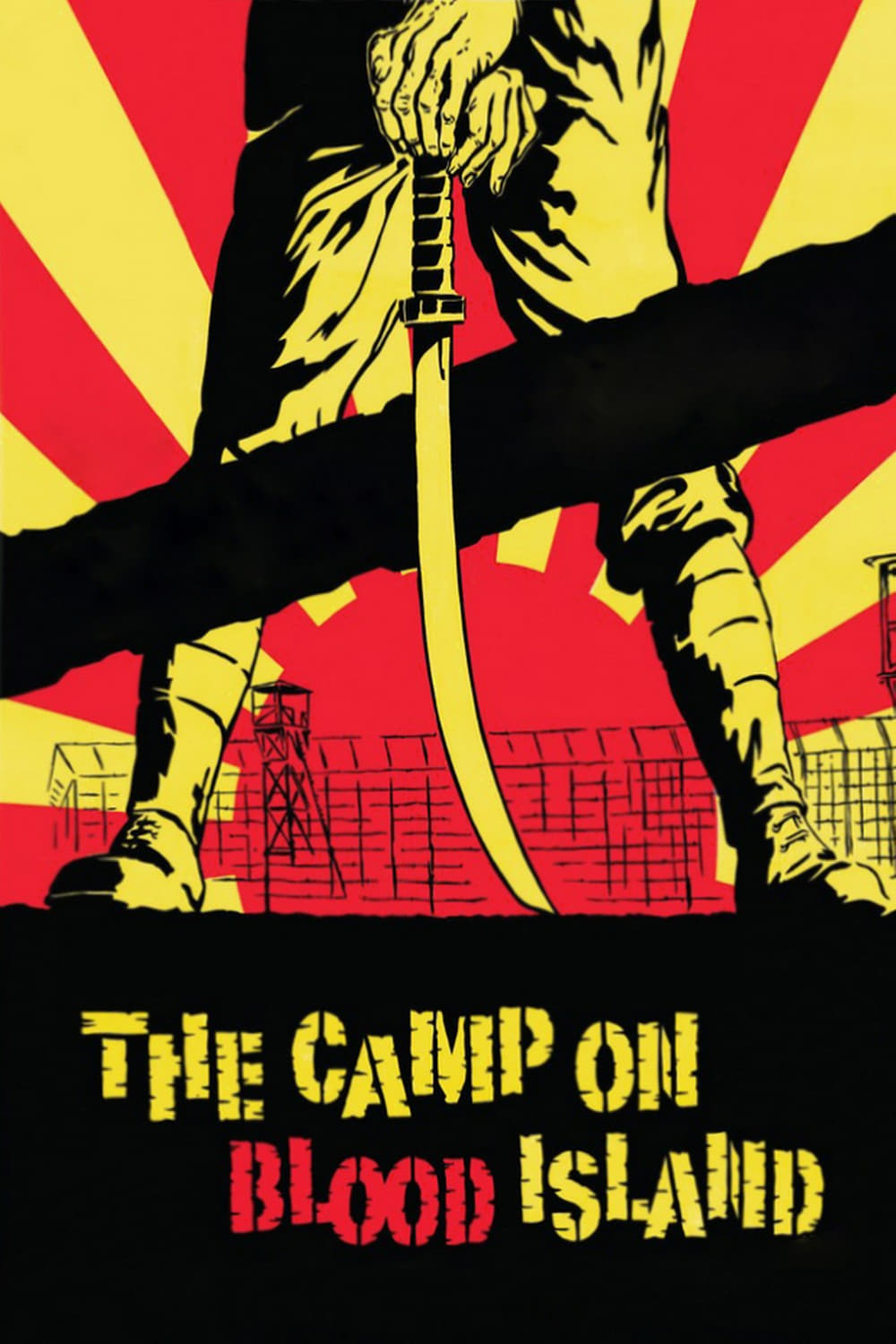
The Camp on Blood Island
1958 film directed by Val Guest
Bersiap
In Indonesian historiography, the term Bersiap ("Get ready" or "Be prepared" in English) refers to the violent and chaotic beginning of the Indonesian National Revolution following the end of World War II in Asia. In Indonesia, the term Berdaulat ("Sovereign") is also used for this transitional period. It began after Sukarno's proclamation of Indonesian Independence on 17 August 1945 and culminated during the power vacuum between the withdrawal of Japanese occupational forces and the gradual buildup of a British military presence, before the official handover to a Dutch military presence in Ma