Category
page 1Antiques
.jpg)
mahogany wood
thumb|right|Honduran mahogany tree, Swietenia macrophylla
thumb|Genuine mahogany veneer with a special Figure (wood)|figure, ripple marks

antique
thumb|upright=1.2|Restoring the frame of an antique mirror at the Upper Silesian Museum in Bytom, Poland

patina
thumb|Copper roof on the Minneapolis City Hall, coated with patina
thumb|upright|The Dresden Frauenkirche. The church was destroyed during the [[bombing of Dresden in 1945 and rebuilt from 1993 to 2005 with new material; the stones with the black patina are the parts that survived the firebombing from the original 18th-century church.]]
thumb|Pre-colonial copper coin formerly used in the Copper Belt ([[Democratic Republic of the Congo and Zambia). The external layer has been weathered by moisture and rain, leading to the oxidation of copper.]]

burl
right|thumb|200px|Burrs on a tree trunk in Norfolk, England
antique shop
retail store specializing in the selling of antiques
etui
REDIRECT Decorative box#Étui
chatelaine
decorative belt hook

heirloom
thumb|Mementoes from a soldier's war service may become valued family heirlooms

animalier
thumbnail|325px|A lion killing a boar by Frans Snyders
vintage
generally refers to any artificial object or objects that are representative of or dating from an earlier period of time
butter mold
wooden mold used for shaping butter
junk shop
type of shop
girandole
thumb|A girandole with convex mirror
A girandole () is an ornamental branched candle holder consisting of several lights that may be on a stand or mounted on the wall, either by itself or attached to a mirror. Girandole has been used to refer to a number of different objects and designs; it originally referred to a form of firework, but was adopted in France in the mid-17th century as a term for a luxurious object for lighting. The early girandoles were candelabras decorated with crystals looking like a chandelier on a stand, but it was also used at one time to describe all candelabras and cha
lantern clock
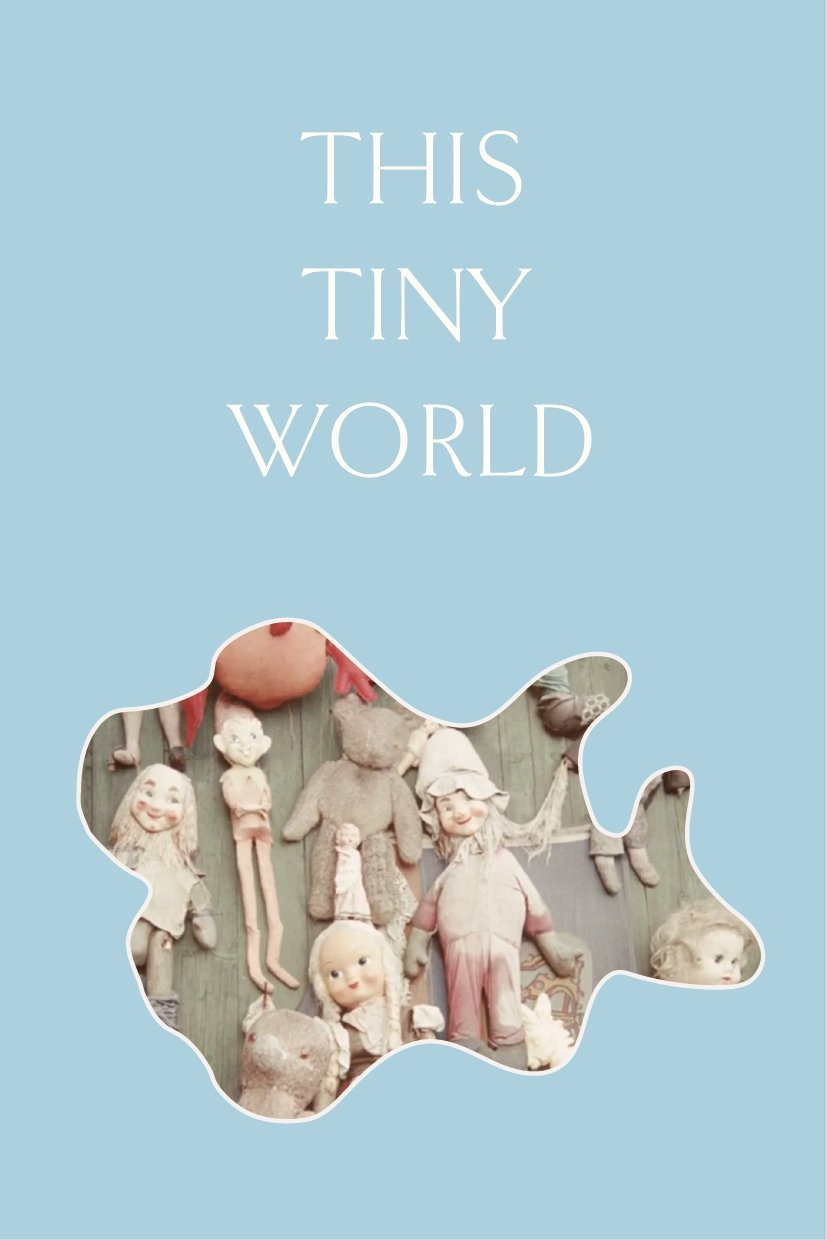
This Tiny World
1972 film by Charles Huguenot van der Linden
Édouard Jonas
French Jewish art dealer and politician (1883-1961)
Souk El Asr
souq in Tunis, Tunisia
Wartski
Wartski is a British family firm of antique dealers specialising in Russian works of art; particularly those by Carl Fabergé, fine jewellery and silver. Founded in North Wales in 1865, the business is located at 60 St James's Street, London, SW1. The company holds royal appointments as jewellers to Charles III, Queen Camilla and the late Queen Elizabeth II.