Category
page 1Arabic music

Arabic music
music of the Arab world

raï
Raï (, ; , , ), sometimes written rai, is a form of Algerian folk music that dates back to the 1920s. Singers of Raï are called () or (), i.e. 'young', as opposed to (, 'shaykh'), i.e. 'old', the name given to Chaabi singers. The tradition arose in the city of Oran, primarily among the poor. Traditionally sung by men, by the end of the 20th century, female singers became common. The lyrics have concerned social issues such as disease and the policing of European colonies that affected native populations.
Arabic maqam
mode in Arabic music
Misirlou
"Misirlou" is a folk song from the Eastern Mediterranean region. The song's original author is unknown, but Arabic, Greek, and Jewish musicians were playing it by the 1920s. The earliest known recording of the song is a 1927 Greek rebetiko/tsifteteli composition. There are also Arabic belly dancing, Albanian, Armenian, Serbian, Persian, Indian and Turkish versions of the song. This song was popular from the 1920s onwards in the Arab American, Armenian American and Greek American communities who settled in the United States.
music of Egypt
musical culture of Egypt
Arabic pop
subgenre of pop music and Arabic music
taqsim
Taqsim ( / ALA-LC: taqsīm, , , ) is a melodic musical improvisation that usually precedes the performance of a traditional Arabic, Kurdish, Greek, Middle Eastern, Iranian, Azerbaijani or Turkish musical composition.
music of Morocco
musical culture of Morocco
music of Lebanon
music and musical traditions of Lebanon
music of Syria
musical culture of Syria
malhun
thumb|Part of the Malhun song "Lalla Ghita Moulati" performed by the artist Adnane Sefiani in a wedding in Salé, Morocco - November 2025
Malhun (Arabic الملحون / ALA-LC: al-malḥūn), meaning 'the melodic poem', is a form of music that originated in Morocco. It is a kind of urban, sung poetry that comes from the exclusively masculine working-class milieu of craftsmen's guilds. On 6 December 2023, malhun was added to the UNESCO Intangible Cultural Heritage Lists of Morocco.
Al-Atlal
thumb|alt=Omm Kalthum|Umm Kulthum
Al-Atlal (Arabic: الأطلال, "The Ruins") is a poem written by the Egyptian poet Ibrahim Nagi, which later became a famous song sung by Egyptian singer Umm Kulthum in 1966. The song's lyrics were adapted by Umm Kulthum and the melody was composed by the Egyptian composer Riad Al Sunbati. Two years earlier, the singer had performed her first song composed by Mohamed Abdel Wahab, titled Inta Omri (إنت عمري, "You are My Life"). Both of these songs became very successful.
music of Palestine
music and musical traditions of Palestine
Andalusi nubah
musical genre of the Arab-Andalusian type (or Andalusian music) that in the 9th century was from Baghdad to Cordoba and Granada. It is traditionally found in the countries of Maghreb Africa
Rodolphe d'Erlanger
Anglo-French painter and musicologist (1872-1932)

Robert Lachmann
German ethnomusicologist and orientalist persecuted by Nazis because of Jewish heritage (1892-1939)

Henry George Farmer
British musicologist and Arabist (1882–1965)
Iraqi maqam
genre of Arabic maqam music
mawwal
In Arabic Music, the mawwāl (; plural: mawāwīl, ) is a traditional and popular Arabic genre of vocal music that is very slow in beat and sentimental in nature, and is characterised by prolonging vowel syllables, emotional vocals, and is usually presented before the actual song begins. The singer performing a mawwal would usually lament and long for something, such as a past lover, a departed family member or a place, in a wailing manner.
goblet drum
type of drum
fijiri
Fijiri (Arabic: الفجيري; sometimes spelled fijri, fidjeri, or fjiri) is the specific repertoire of vocal music sung by the pearl divers of Eastern Arabia's coastal Gulf states, especially Bahrain and Kuwait. A lead singer is backed up by a chorus of accompanying singers and clapping. The accompanying instruments to a fidjeri ensemble are a small double-sided hand-drum, known as the mirwās () and the jāhlah (), a clay pot played with both hands.
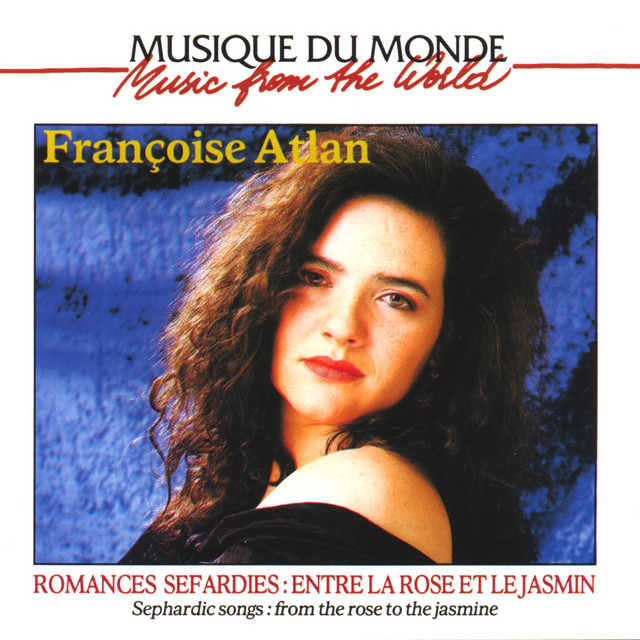
Françoise Atlan
French singer
music of Mauritania
music and musical traditions of Mauritania
peşrev
Peşrev or Peshrev (Turkish, "prelude"; pronounced ) is an instrumental form in Ottoman music. It is the name of the first piece of music played during a group performance called a fasıl (). It also serves as the penultimate piece of the Mevlevi ayini, a ritual music of the Mevlevi Order, under the name son peşrev (final peşrev), preceding son semai. It usually uses long rhythm cycles, stretching over many measures as opposed to the simpler usul the other major form of instrumental music uses, saz semai.
Cairo Congress of Arab Music
1932 international symposium and festival on music in the Arabic world
ma'luf
thumb | right
'''''Ma'luf''' ( Ma'lūf'') is a genre of art music in the Andalusian classical music tradition of Algeria, Libya, and Tunisia. It is of Iberian origin and was introduced to the Maghreb by Andalusi refugees.
Guillaume André Villoteau
French musicologist
music of Tunisia
overview of music traditions in Tunisia

Bedouin music
music of nomadic Bedouin Arab tribes

Listen to the Banned
2010 compilation album; various artists
Mazzika
Mazzika Group () is a vertically integrated entertainment company founded in Egypt, focused on repackaging and distribution of Arabic content to Arabic-speaking communities and audiences interested in Arab-related content. It was formed in 8 April 2003 by Mohsen Gaber.
Arabic hip-hop
music genre or scene
Template:Perso-Arab musicology
Wikimedia template
music of Jordan
music and musical traditions of Jordan
music of Saudi Arabia
music and musical traditions of Saudi Arabia