Category
page 1Arabic poetry
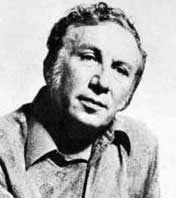
Nizar Qabbani
Syrian diplomat, poet and publisher (1923-1998)

diwan
the systematic collection of a poet's output for academic purposes, as opposed to the self-published mecmuas
Arabic prosody
prosody of Arabic poetry
Arabic poetry
poetry produced in the Arabic language
zajal
Zajal () is a traditional form of oral strophic poetry declaimed in a colloquial dialect. The earliest recorded zajal poet was Ibn Quzman of al-Andalus who lived from 1078 to 1160. Most scholars see the Andalusi Arabic zajal, the stress-syllable versification of which differs significantly from the quantitative meter of classical Arabic poetry, as a form of expression adapted from Romance languages' popular poetry traditions into Arabic—first at the folkloric level and then by lettered poets such as Ibn Quzman.

Noha
A Nowheh or Noha ( nowheh, ; translit. nūḥa/nawḥa; ), when interpreted in light of Shia views, is an elegy about the martyrdom of Husayn ibn Ali and his family and companions in the Battle of Karbala.
bahr
meter in Arabic, Persian, Turkic and Urdu poetry
Maddahi
thumb|An Iranian Maddah (religious singer)|Maddah
list of Arabic-language poets
Wikimedia list article
Rajaz
thumb|A manuscript of an urjūza (versification) of Muqaddimat Ibn Rushd ("The Introduction of Ibn Rushd al-Jadd," grandfather of Ibn Rushd the philosopher)
Rajaz (, literally 'tremor, spasm, convulsion as may occur in the behind of a camel when it wants to rise') is a metre used in classical Arabic poetry. A poem composed in this metre is an urjūza. The metre accounts for about 3% of surviving ancient and classical Arabic verse. Some historians believe that rajaz evolved from saj'.
Waṣf
Waṣf () (literally 'attribute' or 'description'; pl. ) is an ancient style of Arabic poetry, which can be characterised as descriptive verse. The concept of was also borrowed into Persian, which developed its own rich poetic tradition in this mode.
Rasha Omran
Syrian poet and writer
Wafir
Wāfir (, literally 'numerous, abundant, ample, exuberant') is a meter used in classical Arabic poetry. It is among the five most popular meters of classical Arabic poetry, accounting (alongside ṭawīl, basīṭ, kāmil, and mutaqārib) for 80-90% of lines and poems in the ancient and classical Arabic corpus.
Nabati
Nabaṭī (), historically also known as Najdi, is a vernacular Arabic poetry that stems from the Arabic varieties of the Arabian Peninsula. It exists in contrast to the poetry written according to the classical rules of literary Arabic. Nabati poetry holds significant cultural value in Arabian society, offering insights into Bedouin life, values, and traditions. Unlike traditional Arabic poetry, which follows strict classical forms, Nabati is more accessible and informal, often composed in colloquial Arabic, allowing for a more intimate connection with its audience.
Ibn Munadhir
abbasid-era Arab poet
Nisab As-Sibian
book by Abu Nasr Farahi
Rowzeh-khani
thumb|right|264x264px|The ritual of Rowzeh-khani in Qom