Category
page 1Araneomorphae
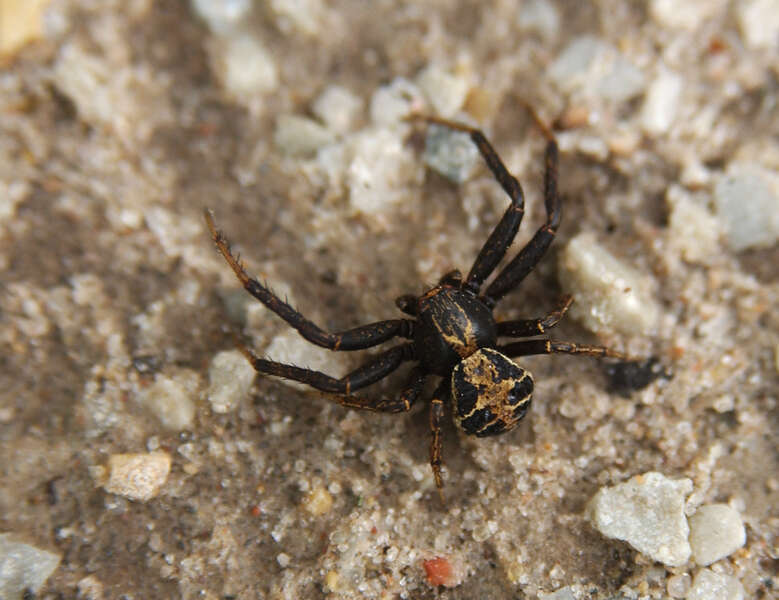
Araneomorphae
The Araneomorphae (also called the Labidognatha or "true spiders") are an infraorder of spiders. They are distinguishable by chelicerae (fangs) that point diagonally forward and cross in a pinching action, in contrast to those of Mygalomorphae (tarantulas and their close kin), which point straight down. Araneomorphs comprise the vast majority (about 92%) of living spiders.
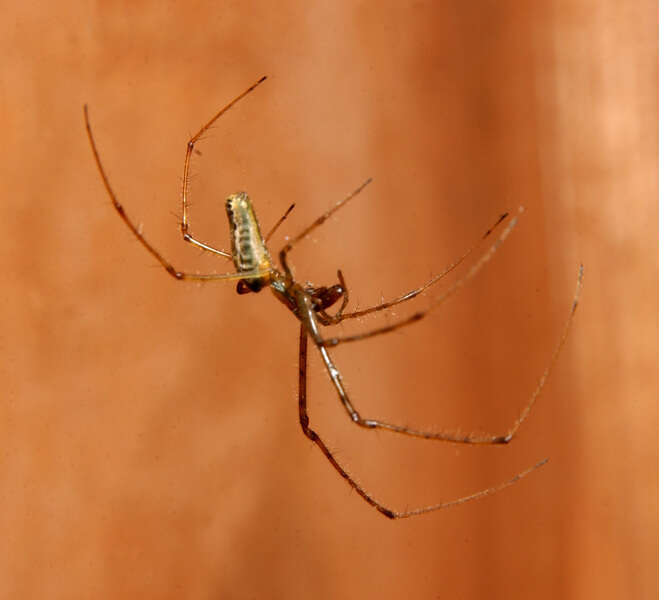
Araneoidea
Araneoidea is a taxon of araneomorph spiders, termed "araneoids", treated as a superfamily. As with many such groups, its circumscription has varied; in particular some families that had at one time been moved to the Palpimanoidea have more recently been restored to Araneoidea. A 2014 treatment includes 18 families, with the araneoids making up about 26% of the total number of known spider species; a 2016 treatment includes essentially the same taxa, but now divided into 17 families.
Entelegynae
The Entelegynae or entelegynes are a subgroup of araneomorph spiders, the largest of the two main groups into which the araneomorphs were traditionally divided. Females have a genital plate (epigynum) and a "flow through" fertilization system; males have complex palpal bulbs. Molecular phylogenetic studies have supported the monophyly of Entelegynae (whereas the other traditional subgroup, the Haplogynae, has been shown not to be monophyletic).

Synotaxidae
Synotaxidae is a family of spiders with forty described species in five genera. It was first described by Eugène Simon in 1895.

Haplogynae
thumb|Pholcus phalangioides
The Haplogynae or haplogynes are one of the two main groups into which araneomorph spiders have traditionally been divided, the other being the Entelegynae. Morphological phylogenetic studies suggested that the Haplogynae formed a clade; more recent molecular phylogenetic studies refute this, although many of the ecribellate haplogynes do appear to form a clade, Synspermiata.
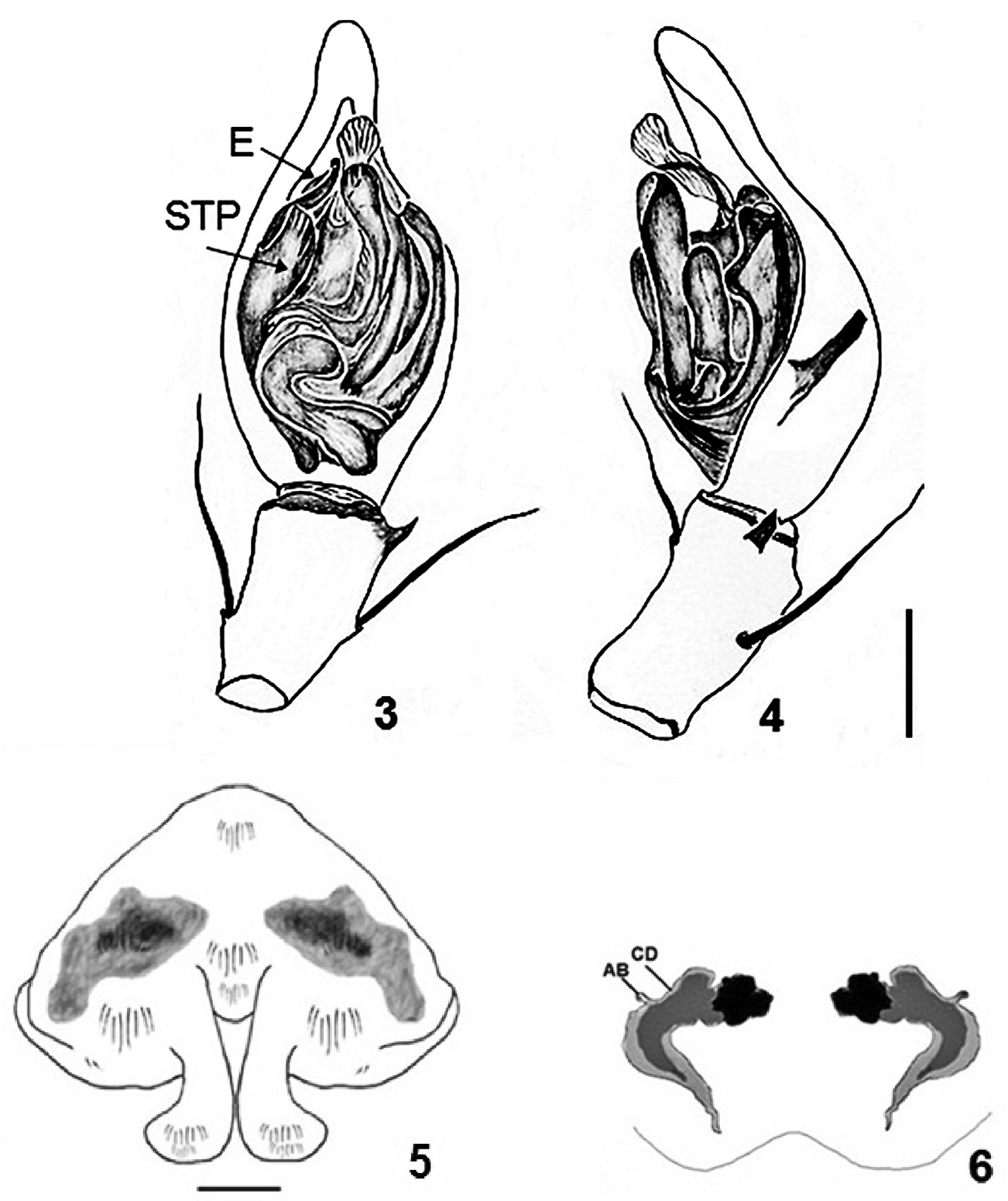
Odo
genus of araneomorph spiders
Dysderoidea
The Dysderoidea are a clade or superfamily of araneomorph spiders. The monophyly of the group, initially consisting of the four families Dysderidae, Oonopidae, Orsolobidae and Segestriidae, has consistently been recovered in phylogenetic studies. In 2014, a new family, Trogloraptoridae, was created for a recently discovered species Trogloraptor marchingtoni. It was suggested that Trogloraptoridae may be sister to the remaining members of the Dysderoidea clade. However, a later study found that Trogloraptoridae was placed outside the Dysderoidea and concluded that it was not part of this clade.
Lycosoidea
Lycosoidea is a clade or superfamily of araneomorph spiders. The traditional circumscription was based on a feature of the eyes. The tapetum is a reflective layer at the back of the eye, thought to increase sensitivity in low light levels. Lycosoids were then defined by having a "grate-shaped" tapetum. Research from the late 1990s onwards suggests that this feature has evolved more than once, possibly as many as five times, so that the original Lycosoidea is paraphyletic. Studies published in 2014 and 2015 suggest that a smaller group of families does form a clade.
Pholcoidea
The Pholcoidea or pholcoids are a superfamily of araneomorph spiders. The group has been circumscribed to contain the following three families:

Agelenoidea
thumb|Tegenaria duellica, Agelenidae
The Agelenoidea or agelenoids are a superfamily or informal group of entelegyne araneomorph spiders. Phylogenetic studies since 2000 have not consistently recovered such a group, with more recent studies rejecting it.

Trogloraptor
Trogloraptor is a genus of large spiders found in the caves of southwestern Oregon. It is the sole genus in the family Trogloraptoridae, and includes only one species, Trogloraptor marchingtoni. These spiders are predominantly yellow-brown in color with a maximum leg span of . They are remarkable for having hook-like claws on the raptorial last segments of their legs.
Austrochiloidea
The Austrochiloidea or austrochiloids are a group of araneomorph spiders, treated as a superfamily. The taxon contains two families of eight-eyed spiders:
Austrochilidae Zapfe, 1955
Gradungulidae Forster, 1955

Archoleptoneta
Archoleptoneta is a genus of North American spiders that was first described by Carl Eduard Adolph Gerstaecker in 1974. it contains only two species, both found in the United States: A. gertschi and A. schusteri.
Senoculidae
REDIRECT Senoculus

Eresoidea
thumb|Male Eresus kollari
The Eresoidea or eresoids are a group of araneomorph spiders that have been treated as a superfamily. As usually circumscribed, the group contains three families: Eresidae, Hersiliidae and Oecobiidae. Studies and reviews based on morphology suggested the monophyly of the group; more recent gene-based studies have found the Eresidae and Oecobiidae to fall into different clades, placing doubt on the acceptability of the taxon. Some researchers have grouped Hersiliidae and Oecobiidae into the separate superfamily Oecobioidea, a conclusion supported in a 2017 study, which
Arkyidae
Arkyidae, also known as triangular spiders, is a family of araneomorph spiders first described by Ludwig Carl Christian Koch in 1872 as a subfamily of Araneidae, and later elevated to a full family in 2017.
Gnaphosoidea
The Gnaphosoidea or gnaphosoids are a superfamily of araneomorph spiders with seven families. A 2014 study did not find the group to be monophyletic.
Archaeoidea
thumb | right | Austrarchaea, in Australia
The Archaeoidea or archaeoids are a group of araneomorph spiders, formerly treated as a superfamily. The unity of the group is rejected , with former members being placed in the Araneoidea and Palpimanoidea.
Darkoneta
Darkoneta is a genus of spiders that was first described by J. M. Ledford & C. E. Griswold in 2010.
Palpimanoidea
The Palpimanoidea or palpimanoids, also known as assassin spiders, are a group of araneomorph spiders, originally treated as a superfamily. As with many such groups, its circumscription has varied. , the following five families were included:
Archaeidae
Huttoniidae
Mecysmaucheniidae
Palpimanidae
Stenochilidae
Dionycha
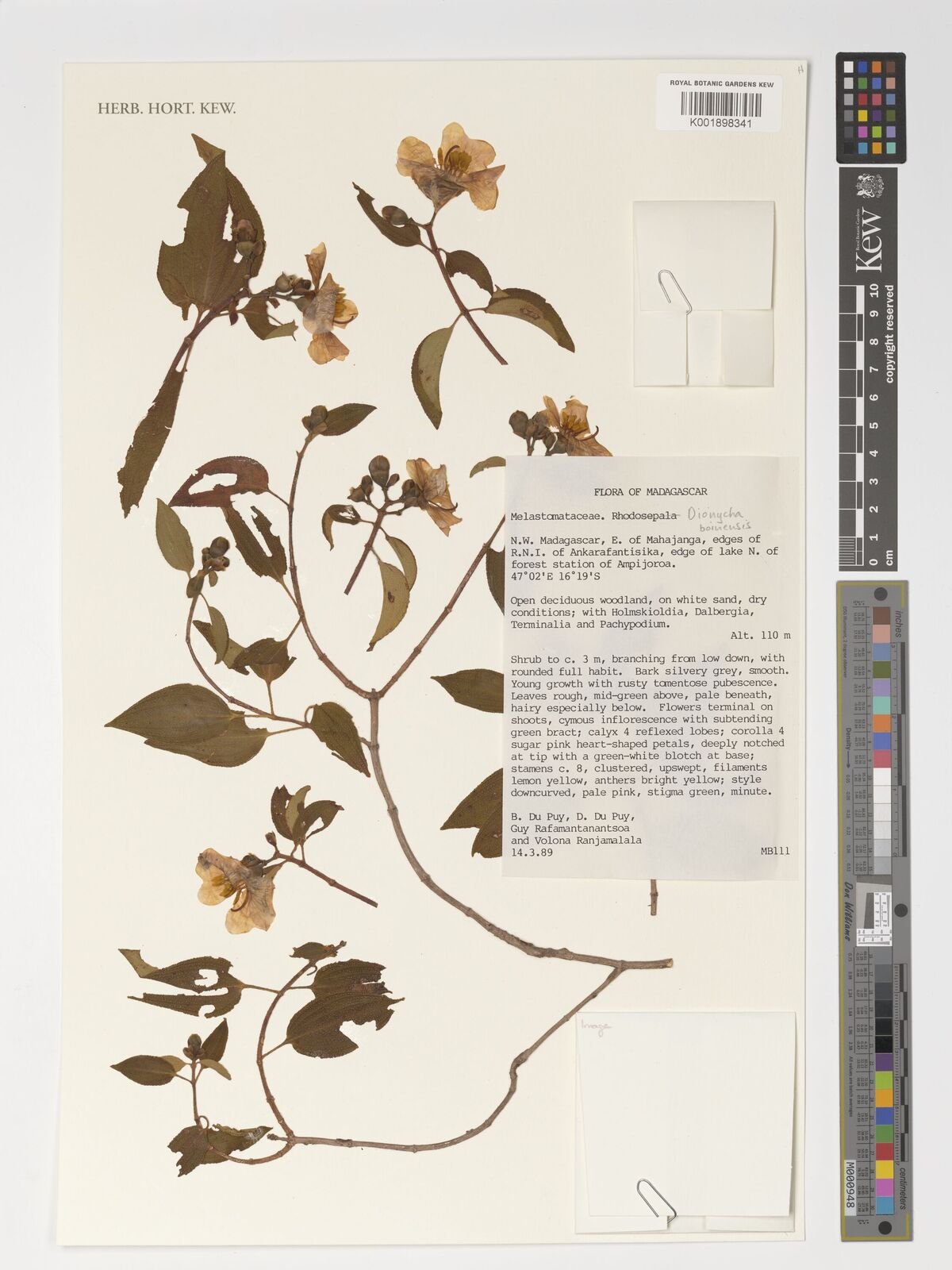
The Dionycha are a clade of spiders (Araneomorphae:Entelegynae), characterized by the possession of two tarsal claws with tufts of hairs (setae) beside them, which produce strong adhesion, enabling some species to climb glass. The circumscription of the group has varied widely; a 2021 analysis resulted in about 20 families, including Salticidae (jumping spiders), Gnaphosidae (ground spiders), and Clubionidae.
Dictynoidea
The Dictynoidea or dictynoids are a group of araneomorph spiders that have been treated as a superfamily. The composition of the group has varied. Phylogenetic studies in the 21st century have failed to confirm the monophyly of the dictynoids as originally defined.
Caponioidea
thumb|Caponia species
The Caponioidea or caponioids are a group of haplogyne araneomorph spiders that have been treated as superfamily with two members, the families Caponiidae and Tetrablemmidae. Phylogenetic studies from 1991 onwards have shown that the group is not monophyletic, being composed of two basal members of a larger clade. The precise members of that clade differ from study to study; one hypothesis is shown below.
Titanoecoidea
The Titanoecoidea or titanoecoids are a proposed taxon of araneomorph spiders at the superfamily rank. The taxon contains two families of spiders, Phyxelididae and Titanoecidae. Although some phylogenetic studies have shown these two families to form a clade, other studies have not, placing Titanoecidae outside the RTA clade while Phyxelididae is placed inside it. A 2011 classification of spider families leaves both Phyxelididae and Titanoecidae outside the RTA clade as "unplaced non-Orbiculariae families". The status of the group remains unclear .
Leptonetoidea
The Leptonetoidea are a superfamily of haplogyne araneomorph spiders with three families. Phylogenetic studies have provided weak support for the relationship among the families. The placement of one of the families within the Haplogynae has been questioned.
Luzonacera
Luzonacera is a genus of spiders in the family Psilodercidae. It was erected by Feng-Yuan Li and Shu-Qiang Li in 2017. , it contains five species found on the Philippine island of Luzon.
Uloboroidea
The Deinopoidea or deinopoids are group of cribellate araneomorph spiders that may be treated as a superfamily. As usually circumscribed, the group contains two families: Deinopidae and Uloboridae.
Trogloraptoridae
REDIRECT Trogloraptor
Mongolarachne
Mongolarachne is an extinct genus of spiders placed in the monogeneric family Mongolarachnidae. The genus contains only one species, Mongolarachne jurassica, described in 2013, which is presently the largest fossilized spider on record. The type species was originally described as Nephila jurassica and placed in the living genus Nephila which contains the golden silk orb-weavers.
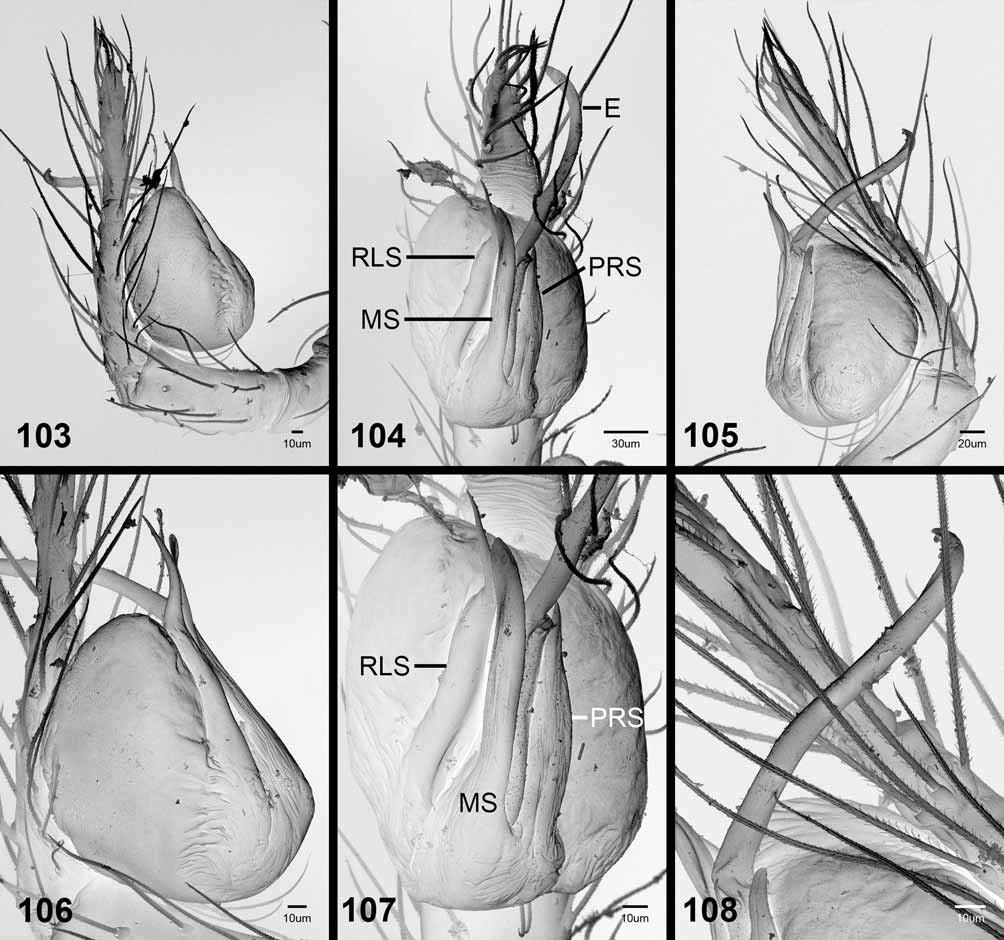
Archoleptoneta gertschi
species of arachnid

Myrmecicultor chihuahuensis
Myrmecicultor is a monotypic genus of North American spiders in the family Myrmecicultoridae. It contains the single species, Myrmecicultor chihuahuensis, and was first described by M. J. Ramírez, C. J. Grismado and D. Ubick in 2019. It is native to the Chihuahuan Desert, from the Big Bend region of Texas to Coahuila and Aguascalientes in Mexico. Collected specimens were found in pitfall traps where three species of harvester ants are most active: Pogonomyrmex rugosus, Novomessor albisetosus, and Novomessor cockerelli.