Category
page 1Archaeological terminology

acropolis
thumb|upright=1.5|Acropolis of Athens in Athens, Greece
An acropolis was the settlement of an upper part of an ancient Greek city, especially a citadel, and frequently a hill with precipitous sides, mainly chosen for purposes of defense. The term is typically used to refer to the Acropolis of Athens, yet nearly every Greek city had an acropolis of its own. The term derives from the homonymous Greek word "Ακρόπολις", composed from "akron" (ἄκρον), which means "top", and "polis" (πόλις), which means "city".

amphora
thumb|Silver amphora-rhyton with zoomorphic handles, , Vassil Bojkov Collection ([[Sofia, Bulgaria)]]

agora
thumb|260px|View of the Ancient Agora of Athens in the foreground. The [[Temple of Hephaestus is to the left and the Stoa of Attalos to the right.]]

archaeological artefact
something made or modified by humans and of archaeological interest

glyph
thumb|Various glyphs representing lower case letter in various typefaces and as single- and double-storey; they are allographs of the same [[grapheme|class=skin-invert-image]]
Holocene calendar
calendar era that uses 10,000 BC as 1 HE
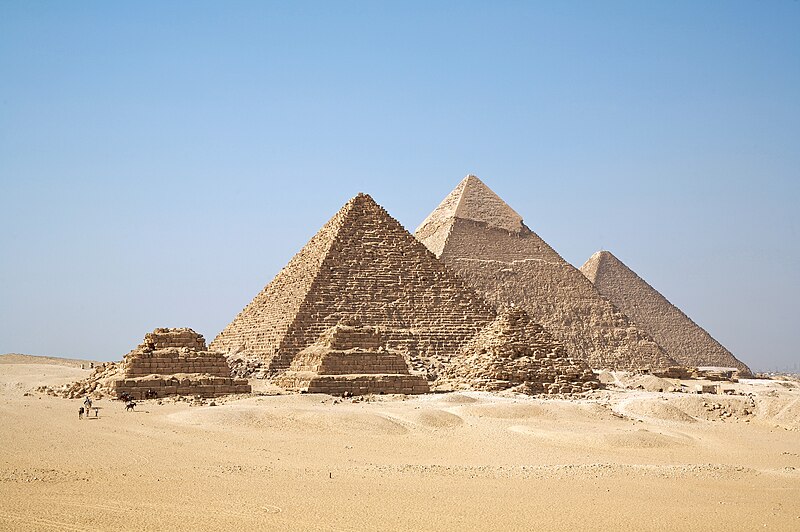
cradle of civilization
locations where civilization emerged
seriation
relative dating method in archaeology
ecofact
found organic or mineral material of archaeological significance
desert kite
converging drystone walls in the Middle East, to aid in hunting herd animals
proto-city
thumb|300x300px|A model of Çatalhöyük, a commonly cited example of a proto-city.
A proto-city is a large, dense Neolithic settlement that is largely distinguished from a city by its lack of planning and centralized rule. The term mega-sites is also used. While the precise classification of many sites considered proto-cities is ambiguous and subject to considerable debate, common examples include sites of the Pre-Pottery Neolithic B culture and following cultures in the Fertile Crescent such as Jericho and Çatalhöyük, sites of the Cucuteni-Trypillia culture in Southeast Europe, and of the Ubai
virtual archeology
use of computer based simulations of archaeological excavations
disturbance
change to an archaeological site due to events which occurred after the site was laid down
foundation deposit
archaeological remains of the ritual burial of materials under the foundations of buildings
anthropic units
Wikimedia disambiguation page