Category
page 1Arts in Japan
ero guro
literary and artistic movement originating circa 1930 in Japan
Agency for Cultural Affairs
special body of the Japanese Ministry of Education

suiseki
thumb|Suiseki viewing stone titled ("treasure ship"), displayed with a fitted wooden base (daiza) and storage box; the accompanying plaque and box inscription identify it as a Saji River () stone from Tottori Prefecture in Japan's [[San'in region.]]
thumb|A tokonoma display combining [[bonsai and suiseki, with a hanging scroll (kakejiku).]]
thumb|A suiseki displayed in a shallow tray (suiban/doban) with sand.
thumb|Suiseki displayed on a carved wooden base (daiza).
Chinese knotting
decorative knot

Living National Treasure of Japan
humans associated with Japanese culture

Japan Art Academy
artistic organization in Japan
iemoto
thumb|Hansō Sōshitsu|Genshitsu Sen, 15th of the [[Urasenke school]]
is a Japanese term used to refer to the founder or current Grand Master of a certain school of traditional Japanese art. It is used synonymously with the term when it refers to the family or house that the iemoto is head of and represents.
Heta-uma
thumb|right|Tokugawa Iemitsu's "Rabbit painting" is considered by modern viewers to be a pioneering example of heta-uma.
Nippon Music Foundation
Japanese music promotion organization
mizuhiki
thumb| on an envelope this photo shows gold and silver adorning a , commonly used when giving monetary gifts at weddings.
is an ancient Japanese artform of knot-tying, most commonly used to decorate envelopes, called , which are given as gifts during holidays like Japanese New Year (and are then called ) or for special occasions such as births and weddings () or funerals (). The colour of the cord depends on the occasion, or may signify the religious denomination of the giver at funerals.
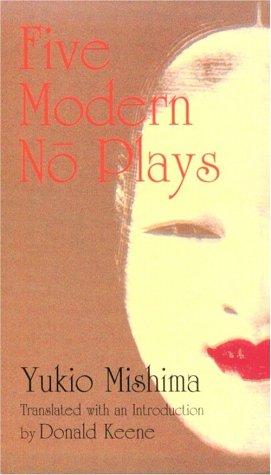
Five Modern No Plays
1956 play written by Yukio Mishima
Nihon Bijutsuin
a non-governmental artistic organization in Japan dedicated to Nihonga
mitate-e
thumb|Painting, hanging scroll, mitate-e, 1425. Parody of Zhuang Zi's dream of butterflies: courtesan wearing surcoat decorated with hanging coloured wisteria blooms and green brocade belt with design of water-wheels and trailing leaves of aquatic candock plant, seated leaning on Chinese writing-table with vase of peony, and looking up at butterfly. Ink, colour and gold on silk. Collection, British Museum
Tōdōza
thumb|A blind man greets a formally dressed school inspector
The was a Japanese guild for blind men, established in the 14th century in Kyoto. Founded by , the guild trained blind men as biwa hōshi or known as, "blind lute-playing narrative singers." Members were provided other professional roles, such as itinerant musicians, masseurs, and acupuncturists. The guild was organized hierarchically, enjoying official patronage from the Muromachi and Edo shogunates, and remained an important social and economic role for blind men in Japan until the abolishment during the Meiji restoration, in1871.