Category
page 1Asexual reproduction in animals

parthenogenesis
thumb|280px|right|The asexual, all-female whiptail species Aspidoscelis neomexicanus (center), which reproduces via parthenogenesis, is shown flanked by two sexual species having males, A. inornatus (left) and A. tigris (right), which naturally hybridized to form A. neomexicanus.
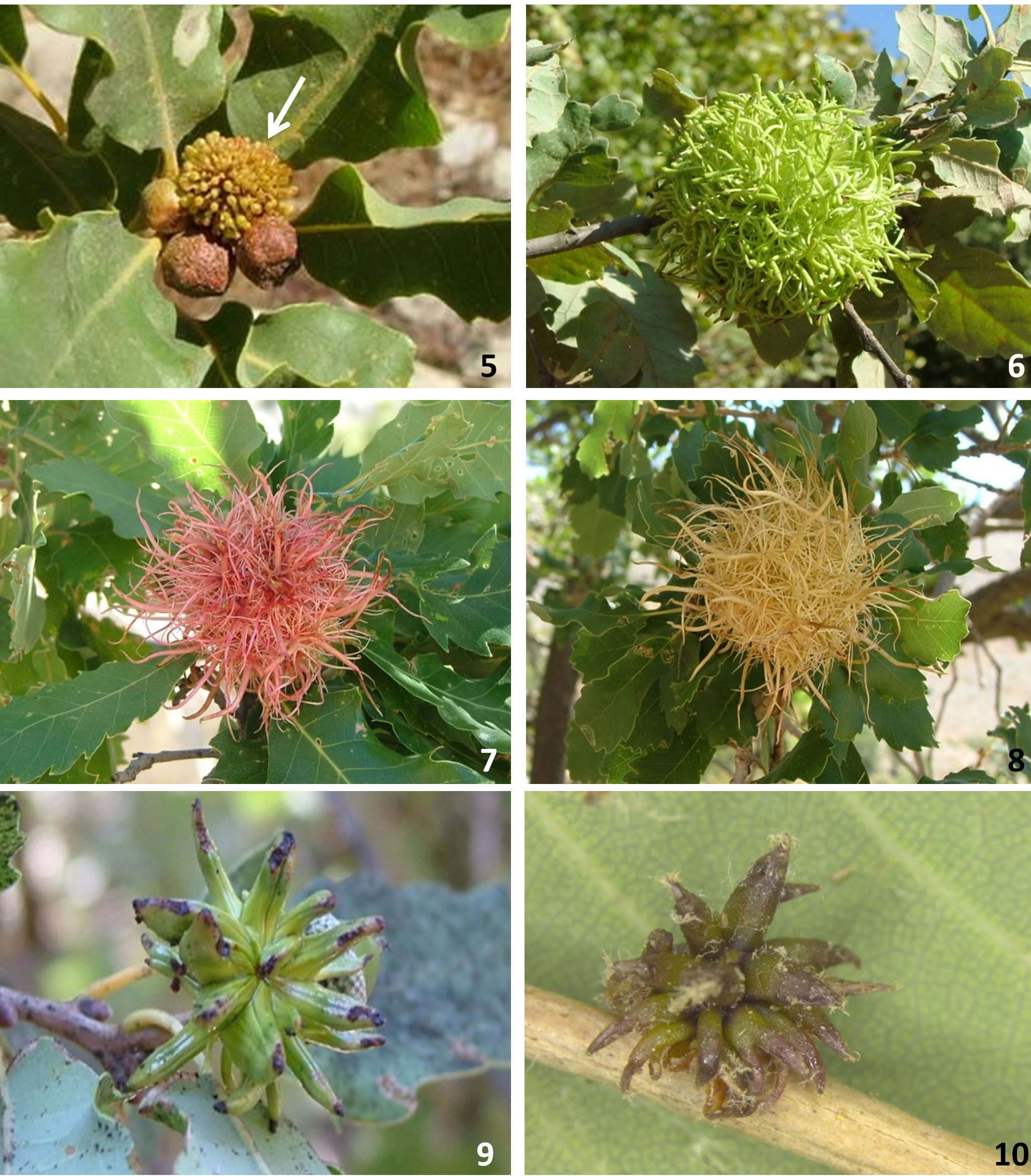
Cynipidae
family of insects

Procambarus virginalis
species of crustaceans

gynogenesis
Gynogenesis, a form of parthenogenesis, is a system of asexual reproduction that requires the presence of sperm without the actual contribution of its DNA for completion. The paternal DNA dissolves or is destroyed before it can fuse with the egg. The egg cell of the organism is able to develop, unfertilized, into an adult using only maternal genetic material. Gynogenesis is often termed "sperm parasitism" in reference to the somewhat pointless role of male gametes. Gynogenetic species, "gynogens" for short, are unisexual, meaning they must mate with males from a closely related bisexual specie
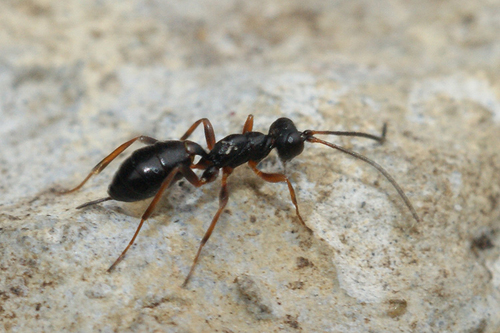
Gelis agilis
species of insect
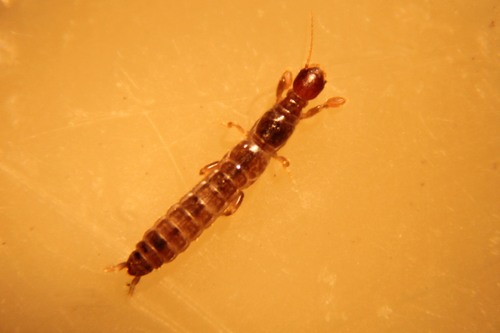
Haploembia tarsalis
species of insect