Category
page 1Assembly languages
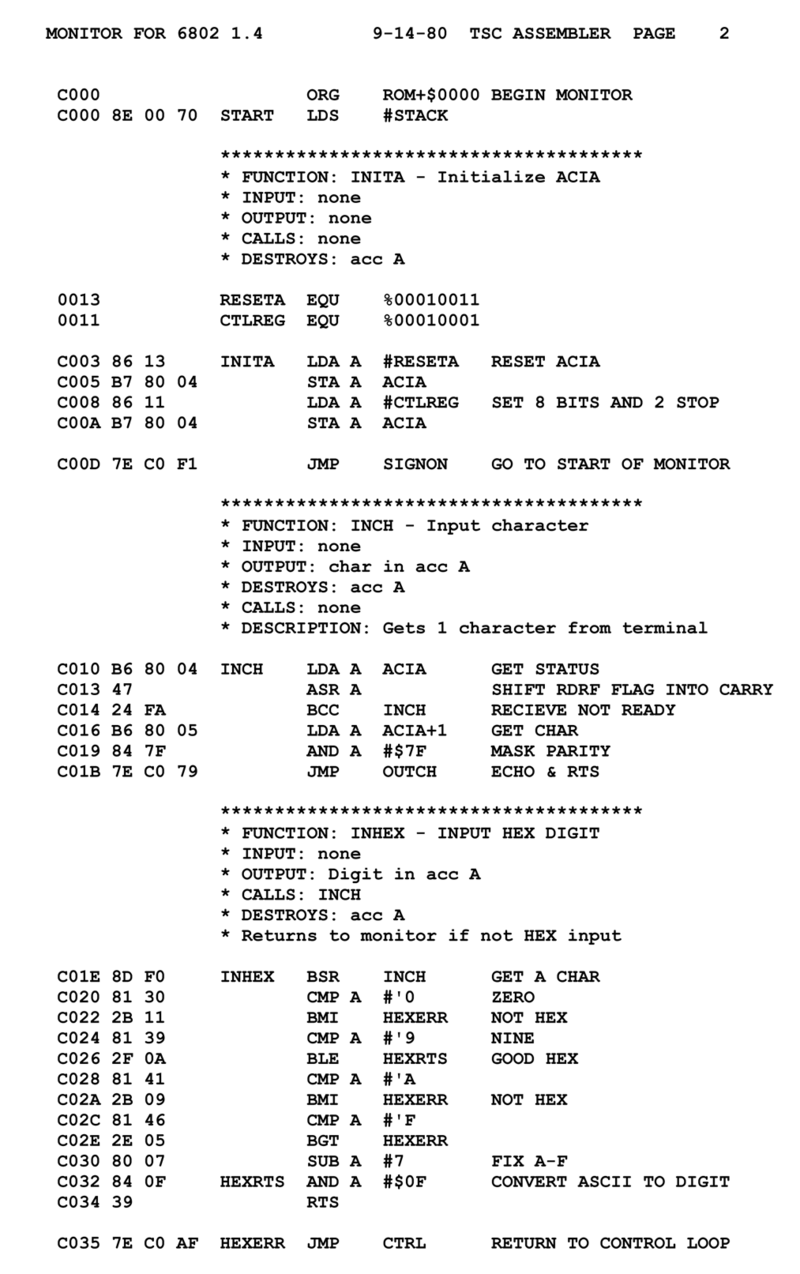
assembly language
any low-level programming language in which there is a very strong correspondence between the instructions in the language and the architecture's machine code instructions

machine code
set of instructions executed directly by a computer's central processing unit (CPU)
Oracle Database
proprietary database management system
WebAssembly
WebAssembly (Wasm) defines a portable binary code format and a corresponding text format for executable programs and software interfaces for facilitating communication between such programs and their host environment.
Common Intermediate Language
programming language
Java bytecode
instruction set of the Java virtual machine
x86 assembly language
assembly language used in x86 architecture
addressing mode
part of the instruction architecture in most processors that determines how machine language instructions find the data they need.
High Level Assembly
high-level assembly language
inline assembler
embedding assembly in a high-level language
BSS segment
In computer programming, the block starting symbol (abbreviated to .bss or bss) is the portion of an object file, executable, or assembly language code that contains statically allocated variables that are declared but have not been assigned a value yet. It is often referred to as the "bss section" or "bss segment".

Shenzhen I/O
2016 video game
bit numbering
convention to identify bit positions within a byte, word, or bit string
Autocoder
Autocoder is any of a group of assemblers for a number of IBM computers of the 1950s and 1960s.
The first Autocoders appear to have been the earliest assemblers to provide a macro facility.