Category
page 1Astronomical sub-disciplines

astrophysics
thumb|Early 1900s comparison of elemental, solar, and stellar spectra

astrobiology
thumb|Nucleic acids may not be the only [[biomolecules in the universe capable of coding for life processes.]]

planetary science
science of planets and other astronomical objects apparently in orbit around one or more stellar objects
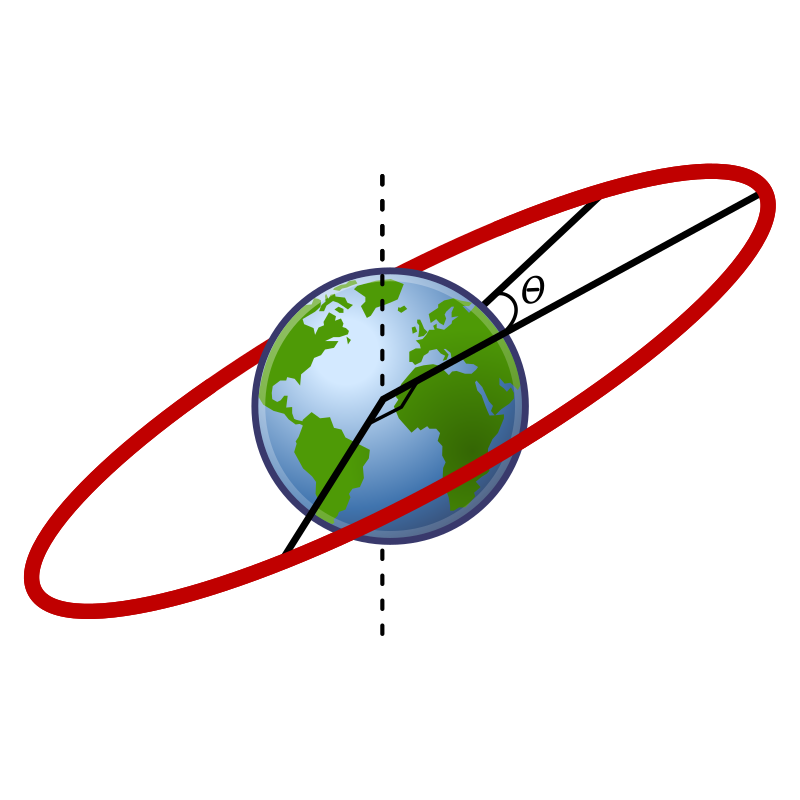
celestial mechanics
branch of astronomy

radio astronomy
subfield of astronomy that studies celestial objects at radio frequencies

astrochemistry
thumb|Infographic showing the theorized origin of the chemical elements that make up the human body
Astrochemistry is the interdisciplinary scientific study of the abundance and reactions of molecules in space and their interaction with radiation. The discipline overlaps with astronomy and chemistry. The term may refer to studies within both the Solar System and the interstellar medium. The investigation of elemental abundances and isotope ratios in Solar System materials, such as meteorites, is known as cosmochemistry, while the study of interstellar atoms and molecules and their interaction

physical cosmology
branch of cosmology which studies mathematical models of the universe

archaeoastronomy
thumb|The rising Sun illuminates the inner chamber of [[Newgrange, Ireland, only at the winter solstice.]]
X-ray astronomy
branch of astronomy that uses X-ray observation

extragalactic astronomy
astronomy dealing with objects outside the Milky Way
galactic astronomy
study of the Milky Way galaxy and its contents
observational astronomy
field of astronomy concerned with recording data about the observable universe
gamma-ray astronomy
observational astronomy performed at less than 10 nm wavelengths
ultraviolet astronomy
observational astronomy performed over the ultraviolet range from 10 nm to 400 nm
neutrino astronomy
observational astronomy that benefits from the direct, or indirect, detection of neutrinos
stellar astronomy
astronomy of self-luminous gaseous celestial bodies of great mass whose shape is usually spheroidal and whose size may be as small as the earth or larger than the earth's orbit
gravitational-wave astronomy
type of astronomy involving observation of gravitational waves
nuclear astrophysics
interdisciplinary branch of physics
geodetic astronomy
application of astronomical methods into geodesy
Multi-messenger astronomy
observation and interpretation of disparate "messenger" signals, created by different astrophysical processes like electromagnetic radiation, gravitational waves, neutrinos, and cosmic rays
cultural astronomy
astronomy according to different culture
Atomic and molecular astrophysics
field of study on atomic and molecular particles in space
historical astronomy
science of analysing historic astronomical data