Category
page 1Athabaskan peoples

Navajo
The Navajo are an Indigenous People of the Southwestern United States. Their language is Navajo (), a Southern Athabascan language. The states with the largest Diné populations are Arizona (140,263) and New Mexico (108,305). More than three-quarters of the Diné population resides in these two states.

Mescalero
Mescalero or Mescalero Apache () is an Apache tribe of Southern Athabaskan–speaking Native Americans. The tribe is federally recognized as the Mescalero Apache Tribe of the Mescalero Apache Reservation, located in south-central New Mexico.
%2C%20called%20Dutchy%20Chiricahua%20scout%20(F19052%20DPLW).jpg)
Chiricahua
Chiricahua ( ) is a band of Apache Native Americans.
Jicarilla Apache
federally recognized Native American Nation
Gwich'in people
The Gwichʼin (or Kutchin or Loucheux) are an Athabaskan-speaking First Nations people of Canada and an Alaska Native people. They live in the northwestern part of North America, mostly north of the Arctic Circle.
Lipan Apache people
ethnic group

Hupa
alt=|thumb|A Hupa white deerskin dance by A.W. Ericson
The Hupa (Yurok: / 'Hupa people') are a Native American people of the Athabaskan-speaking ethnolinguistic group in northwestern California. Their endonym is ' for Hupa-language speakers in general, and for residents of Hoopa Valley, also spelled , meaning "People of the Place Where the Trails Return". The Karuk name for them is ("Hupa (Trinity River) People", from = "Hupa River, i.e. Trinity River"). The majority of the tribe is enrolled in the federally recognized Hoopa Valley Tribe'.

Tagish people
thumb|Charlie Skookum, a Tagish medicine man, in 1914.
Plains Apache
ethnic group

Koyukon people
The Koyukon, Dinaa, or Denaa (Denaakk'e: Tl’eeyegge Hut’aane) are an Alaska Native Athabascan people of the Athabascan-speaking ethnolinguistic group. Their traditional territory is along the Koyukuk and Yukon rivers where they subsisted for thousands of years by hunting and trapping. Many Koyukon live in a similar manner today.
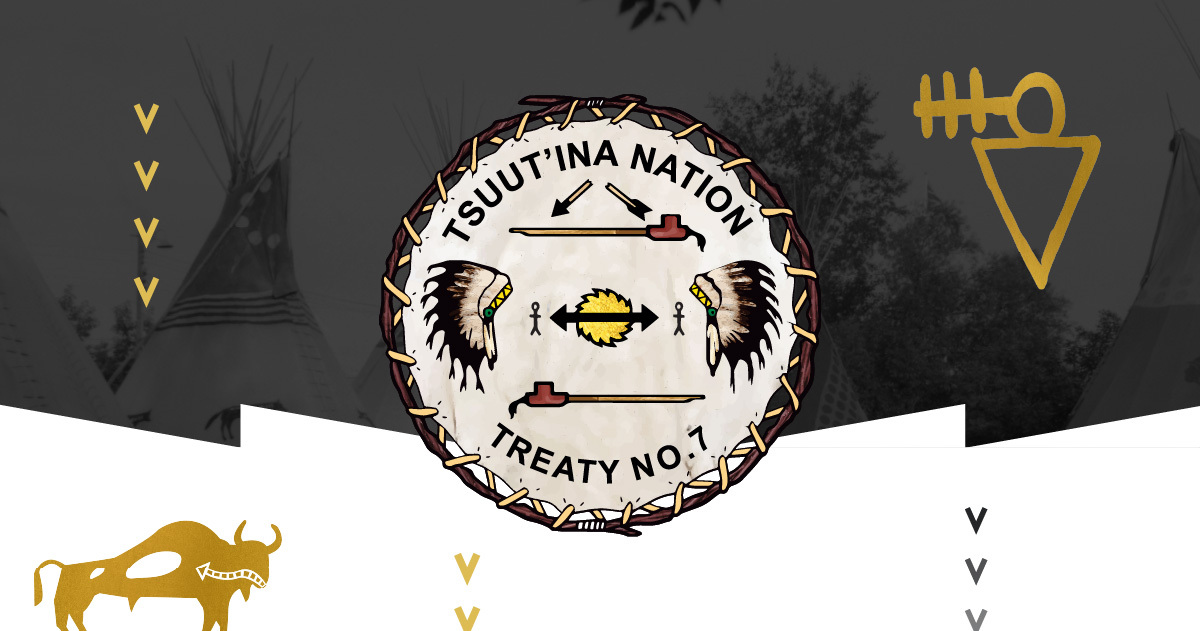
Tsuut'ina Nation
First Nation band in Alberta, Canada
Western Apache
indigenous people of Arizona
Deg Hit'an
ethnic group

Danezaa people
The Dane-zaa (ᑕᓀᖚ, also spelled Dunne-za, or Tsattine) are an Athabaskan-speaking group of First Nations people. Their traditional territory is around the Peace River in Alberta and British Columbia, Canada. Today, about 1,600 Dane-zaa reside in British Columbia and 270 of them speak the Dane-zaa language. Approximately 770 Dane-zaa live in Alberta.
Tolowa people
The Tolowa people (), or Taa-laa-wa Dee-niʼ, are an Athabaskan nation of Native Americans. Two rancherías (Smith River and Elk Valley) still reside in their traditional territory in northwestern California. Those removed to the Siletz Reservation in Oregon are located there.

Chilcotin people
thumb|Tsilhqotin chiefs pose with new highway signage displaying Tsilhqotin community names
Dakelh people
The Dakelh (pronounced ) or Carrier are a First Nations Indigenous people living a large portion of the Central Interior of British Columbia, Canada. The Dakelh also call themselves Yinka Dene ("the people on the land"), and the Babine-Witsuwitʼen-speaking bands prefer the equivalent Yinka Whutʼen ("the people on the land").

Cahto people
The Cahto (also spelled Kato, especially in anthropological and linguistic contexts) are an Indigenous Californian group of Native Americans. Today most descendants are enrolled as the federally recognized tribe, the Cahto Indian Tribe of the Laytonville Rancheria, and a small group of Cahto are enrolled in the Round Valley Indian Tribes of the Round Valley Reservation.

Tahltan people
thumb|Tahltan men on boat to go hunt (early 20th century)
Tanana Athabaskans
ethnic group
Tsetsaut
The Tsetsaut (Nisga'a language: ''Jits'aawit; in the Tsetsaut language: Wetaŀ or Wetaɬ) were an Athabaskan-speaking group whose territory was around the head of the Portland Canal, straddling what is now the boundary between the US state of Alaska and the Canadian province of British Columbia. The name T'set'sa'ut'', meaning "those of the Interior", was used by the Nisga'a and Gitxsan in reference to their origin as migrants into the region from somewhere farther inland; their use of the term is not to the Tsetsaut alone but also can refer to the Tahltan and the Sekani.
Eel River Athapaskan peoples
group of closely related tribal peoples in California, United States
Wet'suwet'en
thumb|right|250px|The Wetʼsuwetʼen's bridge across the Bulkley River, Hagwilget, 1872
alt=Map of British Columbia and Alberta with traditional Wetʼsuwetʼen territory in north central British Columbia highlighted and labelled "Wetʼsuwetʼen Territory".|thumb|253x253px|Map showing the rough location of traditional Wetʼsuwetʼen territory in western Canada
thumb|Hereditary Chief NaʼMoks of the Wetʼsuwetʼen Nation in ceremonial clothing in late2024
Mattole
The Mattole, including the Bear River Indians, are a group of Native Americans in California. Their traditional lands are along the Mattole and Bear Rivers near Cape Mendocino in Humboldt County, California. A notable difference between the Mattole and other Indigenous peoples of California is that the men traditionally had facial tattoos (on the forehead), while other local groups traditionally restricted facial tattooing to women.
Coquille people
Native American tribe
Tututni people
The Tututni tribe is a historic Native American tribe, one of Lower Rogue River Athabascan tribes from southwestern Oregon who signed the 1855 Coast Treaty, and were removed to the Siletz Indian Reservation in Oregon. They traditionally lived along the Rogue River and its tributaries, near the Pacific Coast between the Coquille River on the north and Chetco River in the south.
Lower Rogue River Athabascan (also called Tututni) tribes are a group of Athabascan tribes (the Tututni, Upper Coquille and Shasta Costa) who were historically located in southwestern Oregon in the United States and spe
Shasta Costa
people group native to southwestern Oregon
Chetco people
tribe of Native Americans
Northern Tutchone people
ethnic group