Category
page 1Attention

attention
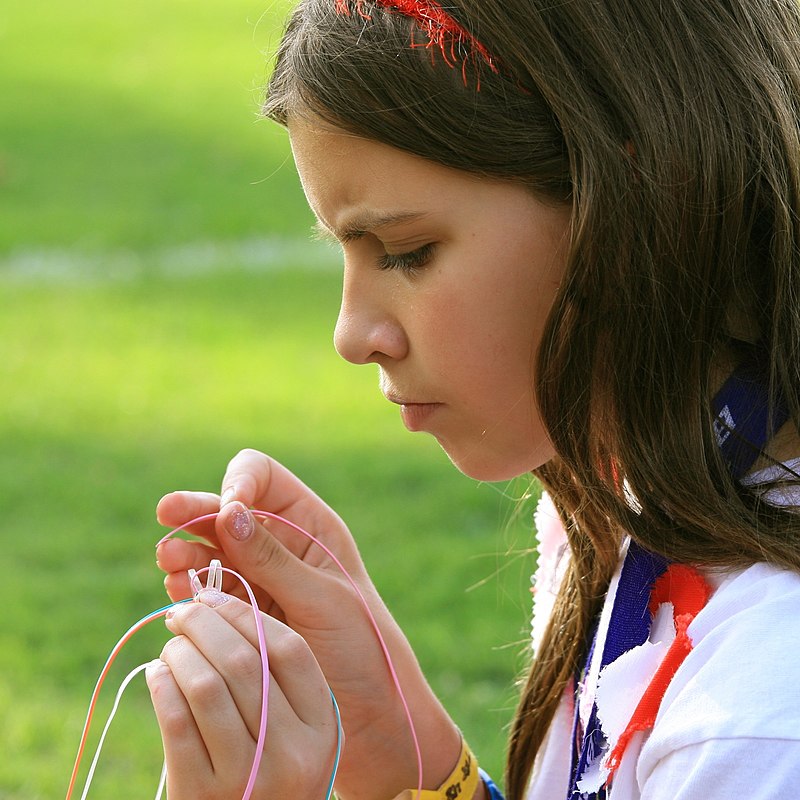
thumb|Focused attention
flow
mental state
cocktail party effect
ability to pay attention to one conversation among many
attention economy
economic view of human attention as a commodity
hypothalamic–pituitary–adrenal axis
set of physiological feedback interactions
eye tracking
measuring the point of gaze or motion of an eye relative to the head
Tetris effect
psychological effect following lots of devotion to an activity
human multitasking
ability to perform more than one activity at the same time
attentional control
individual's capacity to choose what they pay attention to and what they ignore; (in lay terms) individual's ability to concentrate
face perception
cognitive process of visually interpreting the human face

staring
thumb|A llama staring at the camera
default mode network
large-scale brain network, active when one is not focused on the outside world and the brain is at wakeful rest (e.g. daydreaming), and also while thinking about others, thinking about oneself, remembering the past, and planning for the future
situation awareness
perception of environmental elements and events with respect to time or space, the comprehension of their meaning, and the projection of their future status
attention span
time spent concentrating before being distracted

hyperfocus
thumb|alt=Monotropic and polytropic learning|Monotropic (hyperfocus) and polytropic learning
dichotic listening test
auditory test to assess selective attention
pointing and calling
railway safety technique
absent-mindedness
Absent-mindedness is a mental state wherein a person is forgetfully inattentive. It is the opposite mental state of mindfulness.
feature integration theory
theory of human visual attention
vigilance
ability to maintain concentrated attention over prolonged periods of time, which could be improved through training and practices
Change blindness
perceptual phenomenon
joint attention
when two people focus on something at once
inattentional blindness
condition of failing to see something in plain view
banner blindness
tendency to ignore banner-size notices

alertness
Alertness is a state of active attention characterized by high sensory awareness. Someone who is alert is vigilant and promptly meets danger or emergency, or is quick to perceive and act. Alertness is a psychological and physiological state.

attention seeking
act of attaining attention
Diana Deutsch
American psychologist
attention management
models and tools for supporting the management of attention at the individual or at the collective level (cf. attention economy), and at the short-term (quasi real time) or at a longer term (over periods of weeks or months)
binding problem
term used at the interface between neuroscience, cognitive science and philosophy of mind that has multiple meanings
mind-wandering
Mind-wandering is broadly defined as thoughts that are task-unrelated and stimulus-independent. This can take the form of three different subtypes: positive constructive daydreaming, guilty fear of failure, and poor attentional control.
salience
state or quality by which an item stands out from its neighbors
civil inattention
tendency of members of a society to observe a distinction between public and private matters as separate from the secrecy thereof
Attentional shift
stand at easy
Dorsal attention network
Areas in the human brain that respond with activation increases to attention-demanding tasks
Broadbent's filter model of attention
Early theory of attention
neurobiological effects of physical exercise
neural, cognitive, and behavioral effects of physical exercise
Marcus E. Raichle
neuroscientist
Posner cueing task
neuropsychological test often used to assess attention
hyperkinetic disorder
range of neurodevelopmental conditions
Perceptual Load Theory
psychological theory of attention
Inhibition of return
an orientation mechanism that briefly enhances (for approximately 100–300 milliseconds (ms)) the speed and accuracy with which an object is detected after the object is attended, but then impairs detection speed and accuracy
attention restoration theory
theory that exposure to nature can improve concentration
attentional blink
temporary visual deficit or impaired visual processing occurring in a rapid serial visual presentation task