Category
page 2Basidiomycota genera
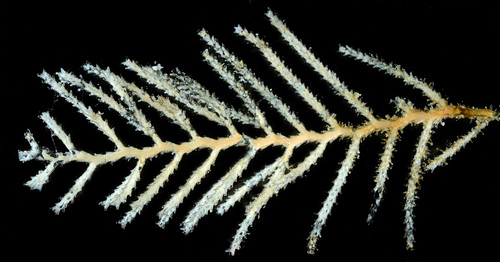
Pericladium
Pericladium is a genus of smut fungi in the monotypic family Pericladiaceae in the order Ustilaginales.
Colacogloea
Colacogloea is a genus of fungi belonging to the class Microbotryomycetes. Most species in the genus are known only from their yeast states. Where known, basidiocarps (fruit bodies) have auricularioid (laterally septate) basidia and occur as parasites on or in the fruit bodies of other fungi.
Entylomella
Entylomella is a genus of smut fungi in the family Entylomataceae. The genus, which contains anamorph forms of Entyloma species, was circumscribed in 1924 by Franz Xaver Rudolf von Höhnel.
Elmerina
Elmerina is a genus of fungi in the order Auriculariales. Basidiocarps (fruit bodies) are formed on dead wood and are either bracket-like with a poroid hymenium or densely clavarioid. Species are known from East Asia and Australia.
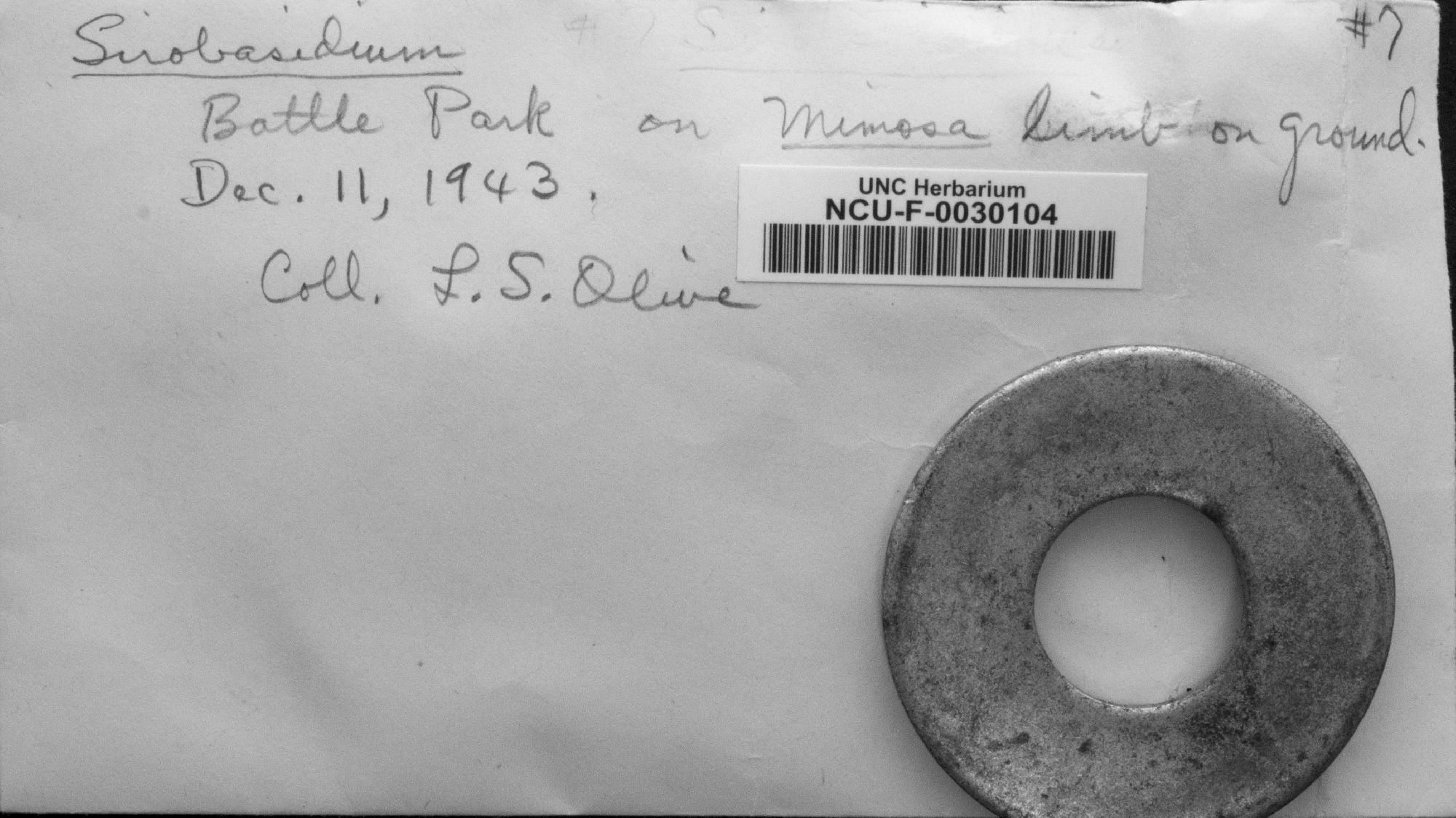
Sirobasidium
Sirobasidium is a genus of fungi in the order Tremellales. Basidiocarps (fruit bodies) are gelatinous and appear to be parasitic on ascomycetous fungi on wood. Microscopically they are distinguished by producing septate basidia in chains which give rise to deciduous sterigmata. Species are distributed worldwide.
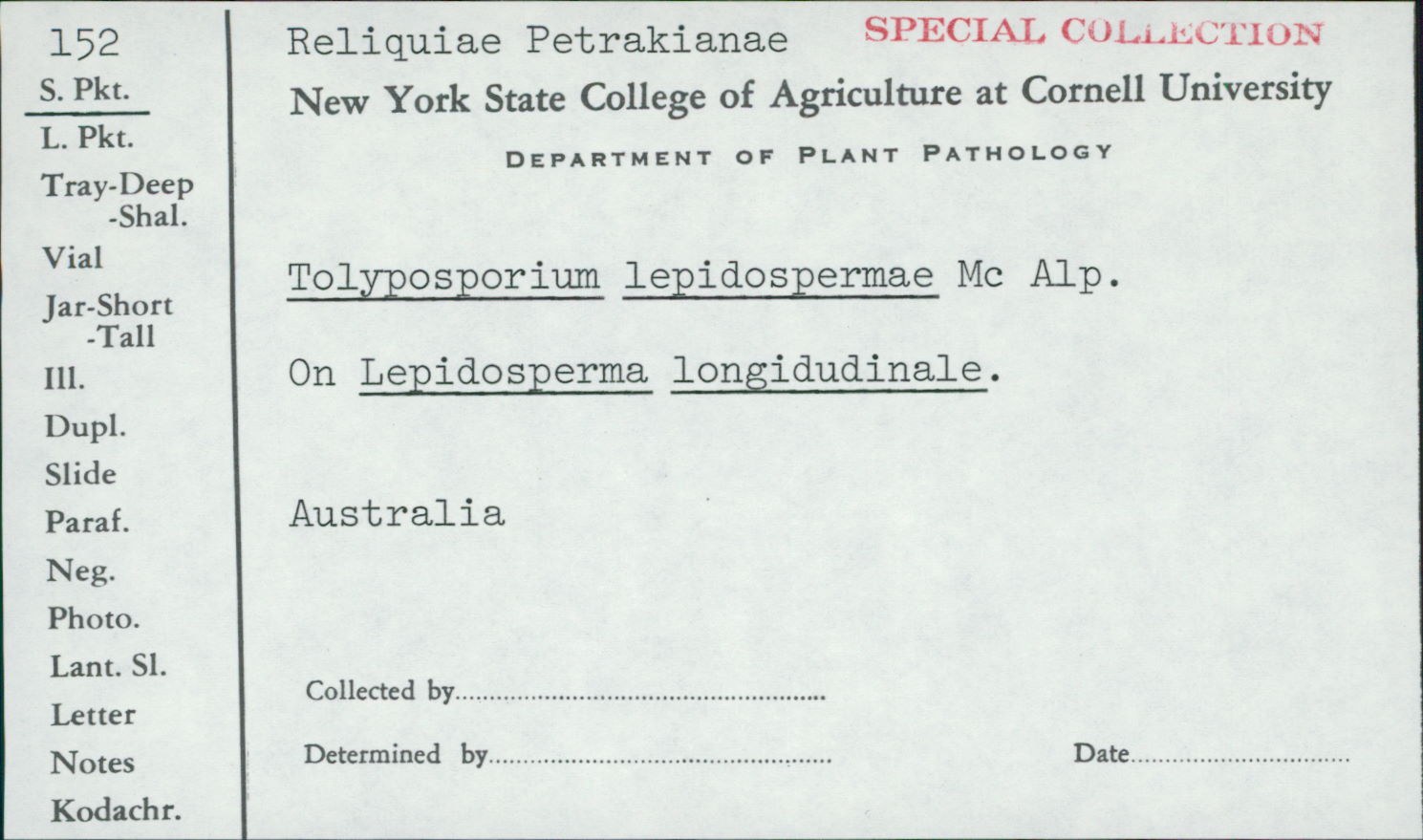
Tolyposporium
Tolyposporium is a genus of fungi belonging to the family Anthracoideaceae.
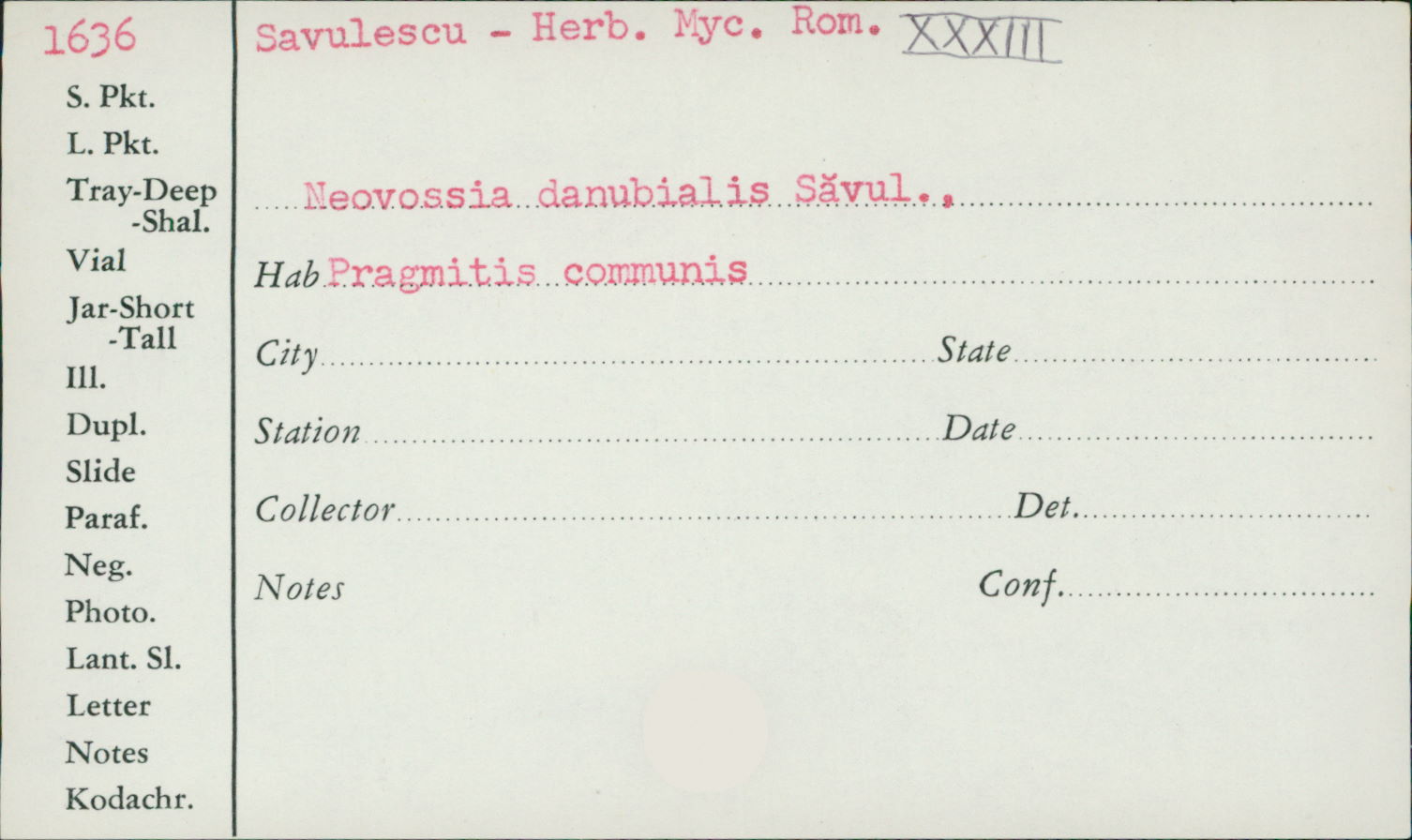
Neovossia
Neovossia is a genus of fungi in the family Tilletiaceae. The genus was first described by German botanist Friedrich August Körnicke in 1879.
Naohidemyces
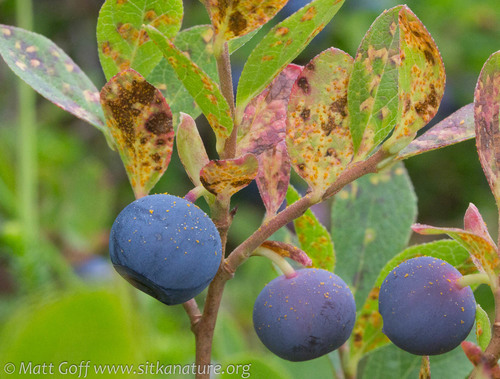
Naohidemyces is a genus of fungi belonging to the family Pucciniastraceae.

Dioszegia
Dioszegia is a genus of fungi in the family Bulleribasidiaceae. The genus, comprising anamorphic forms, has a widespread distribution, and contains around 16 species.
Biatoropsis
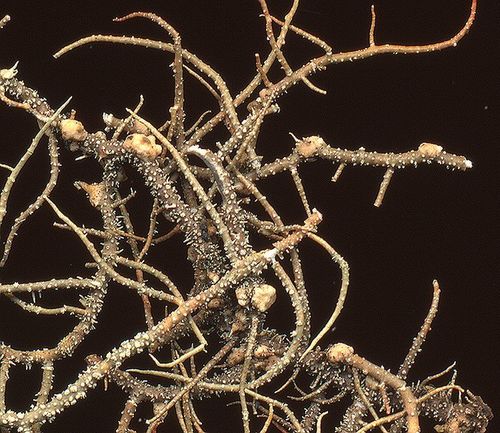
Biatoropsis is a genus of lichenicolous (lichen-dwelling) fungi of uncertain familial placement in the order Tremellales. It comprises 11 species that parasitise various species in the fruticose lichen genera Usnea and Protousnea.
Uredo
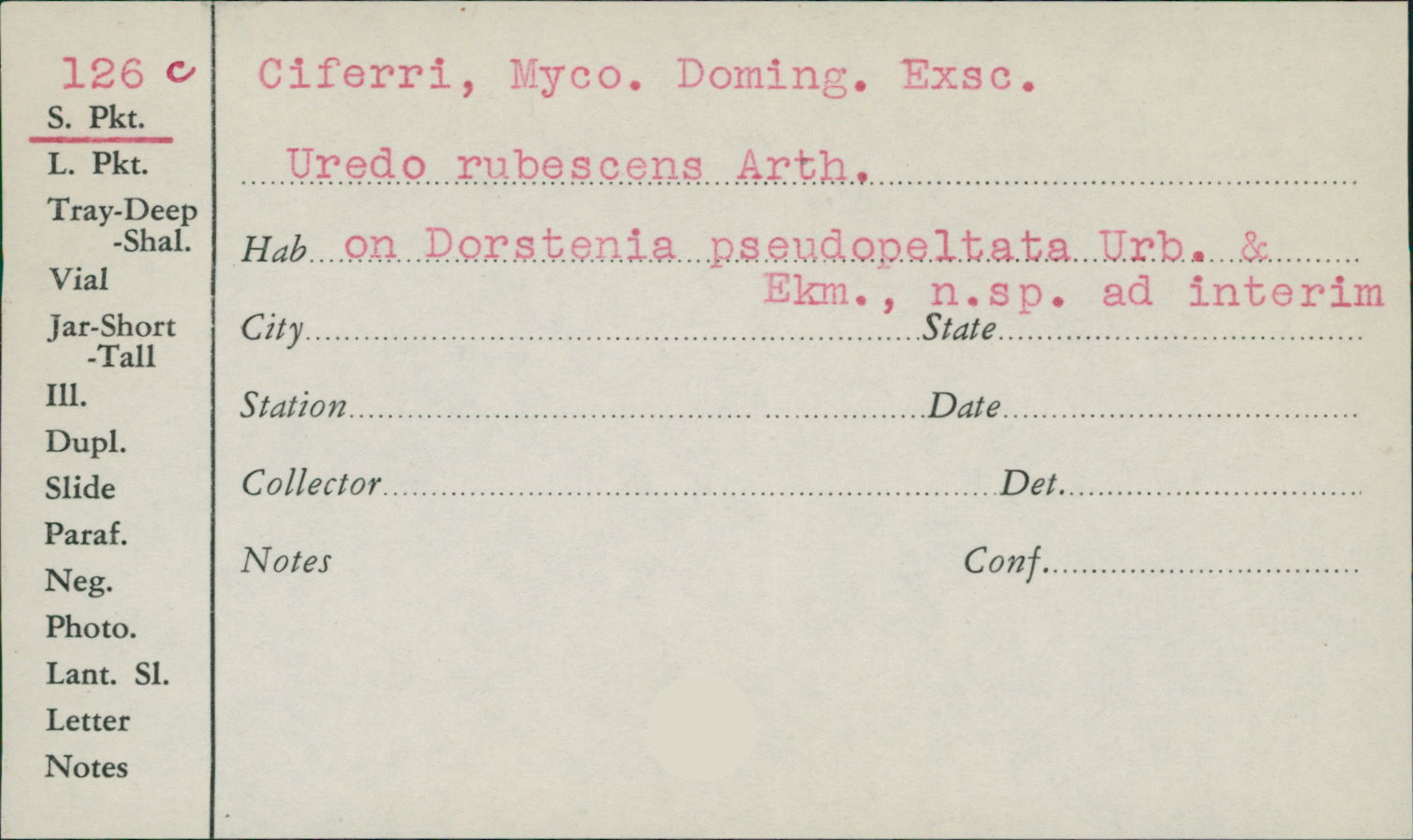
Uredo is a genus of rust fungi: long considered incertae sedis in the order Pucciniales, but now placed in the family Pucciniaceae. This long-established genus, together with the closely related Uromyces (which some authorities consider to be synonymous), give their names to "uredo-type" fungal spore structures such as "urediniospore" and uredinium".
Cintractia
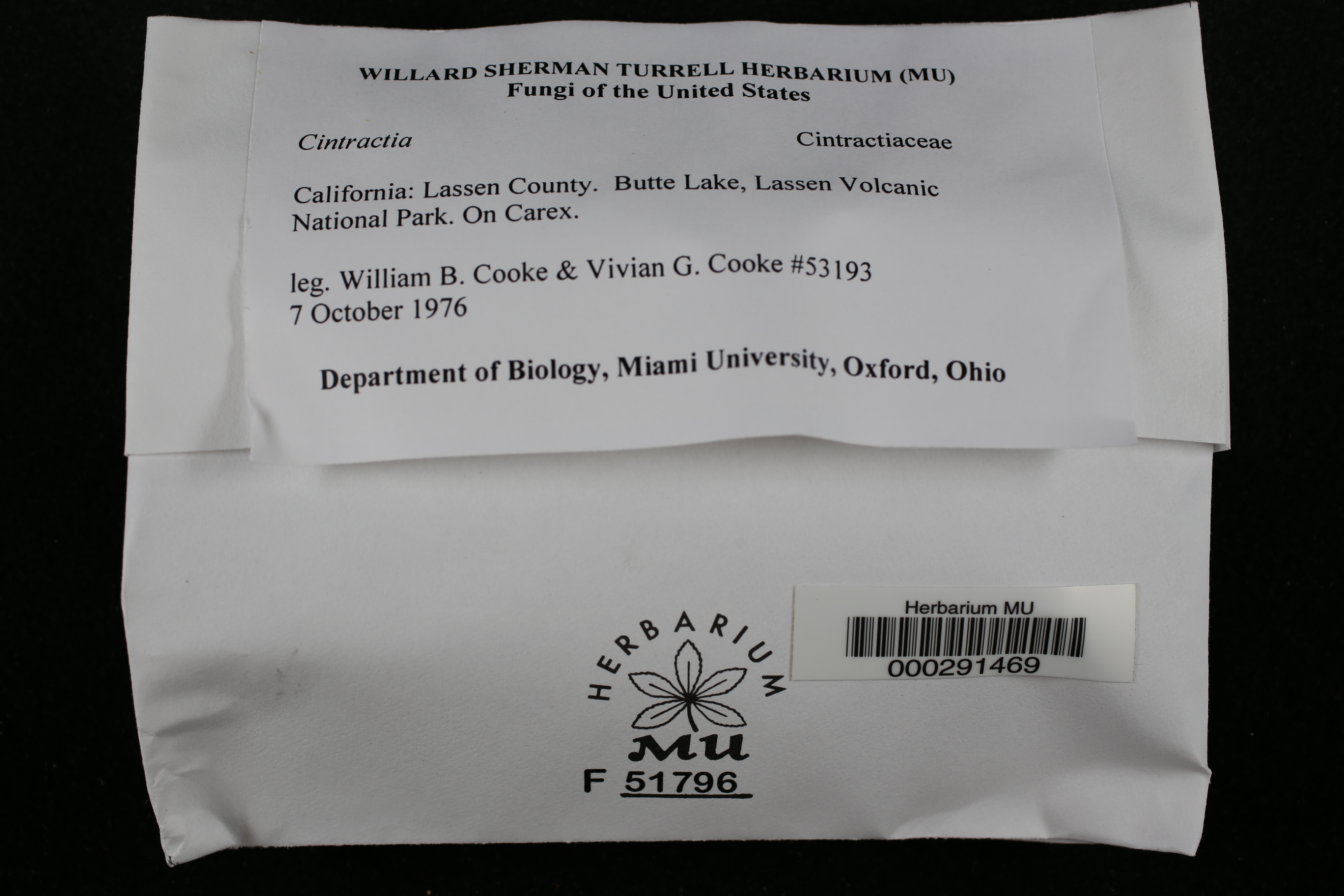
Cintractia is a genus of fungi belonging to the family Anthracoideaceae. It was first described by Marie Maxime Cornu in 1883.
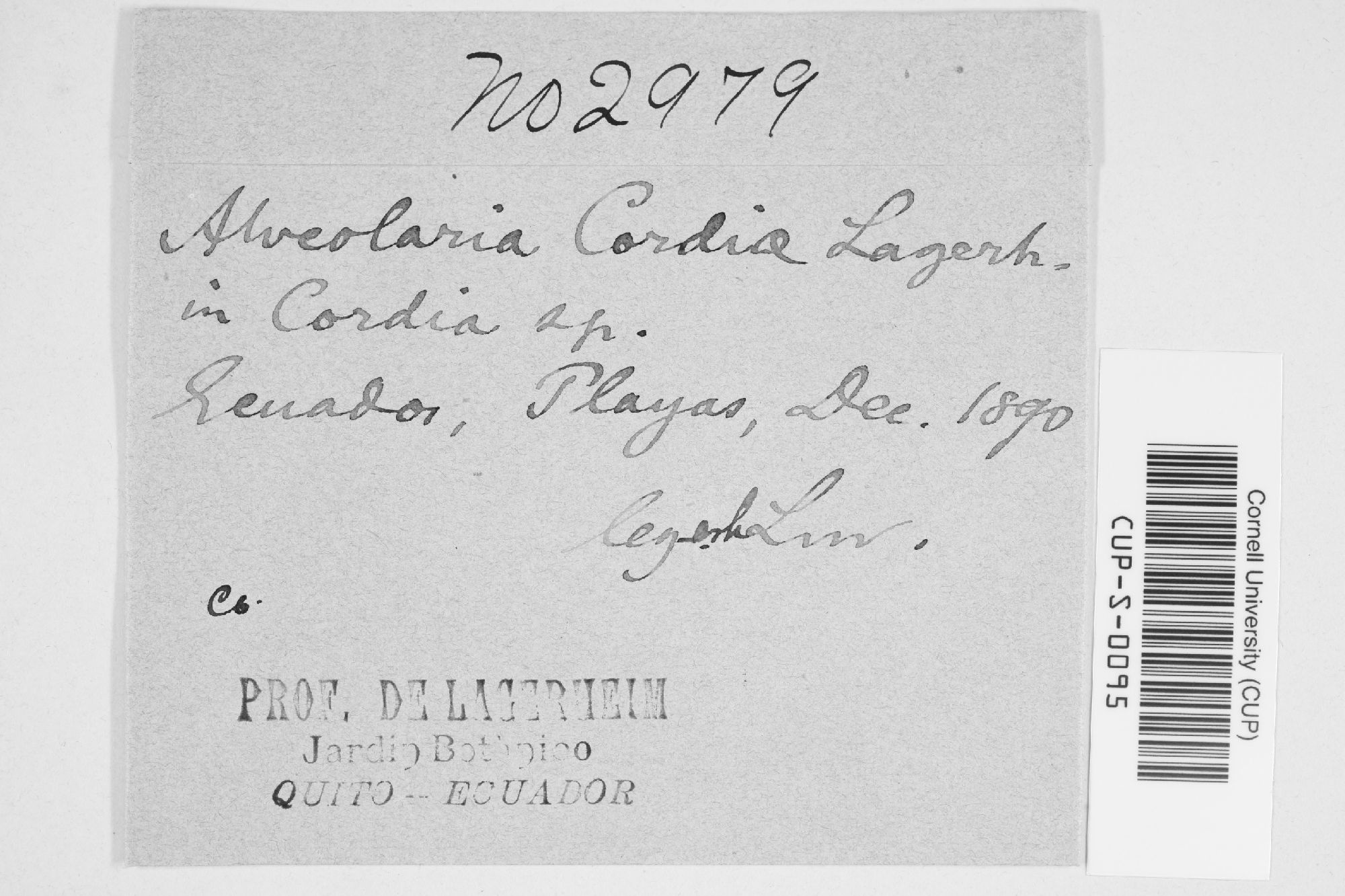
Alveolaria
genus of fungi
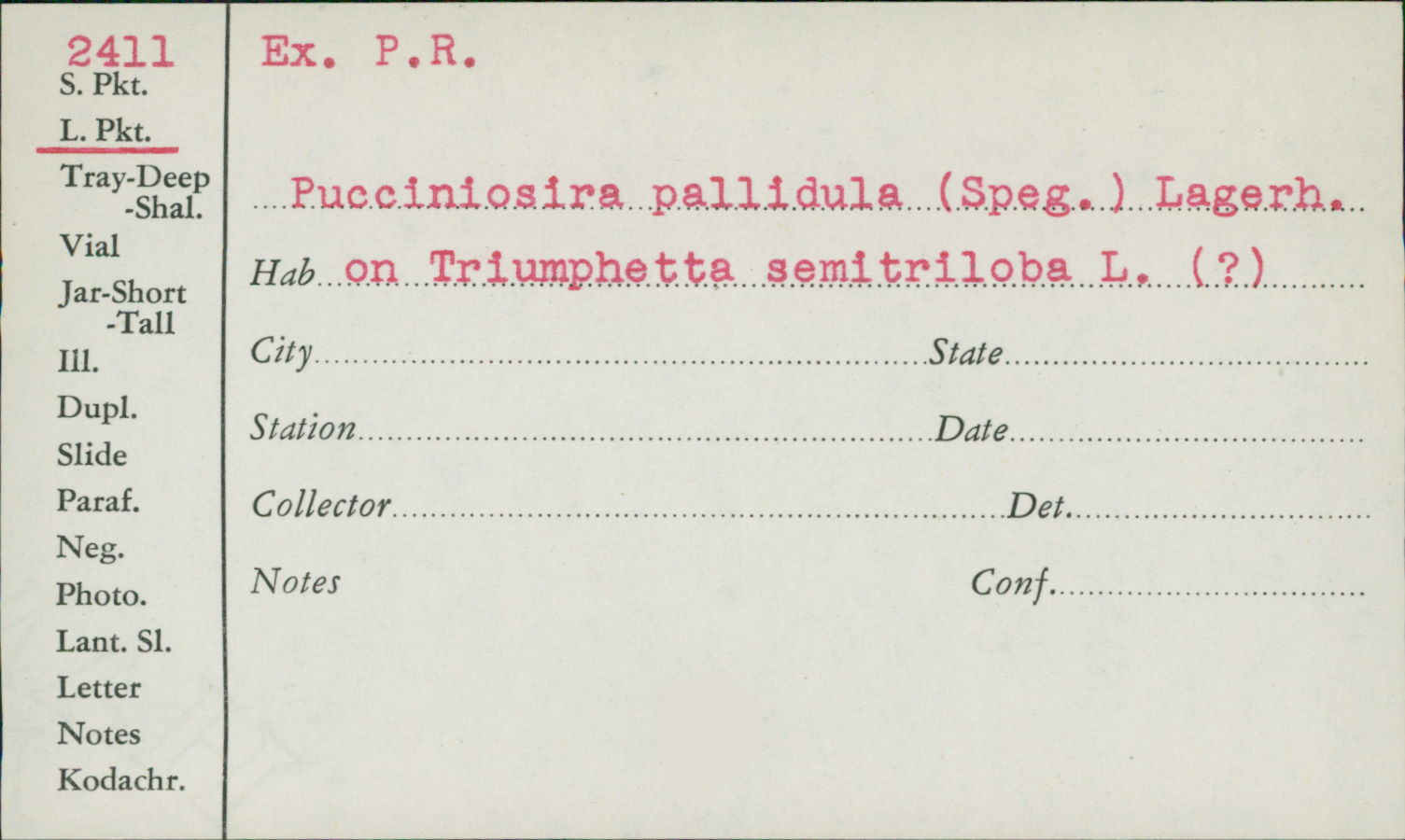
Pucciniosira
Pucciniosira is a genus of rust fungi belonging to the family Pucciniosiraceae.
Chionosphaera
Chionosphaera is a genus of fungi in the family Chionosphaeraceae. It has four species.
Glomosporium
Glomosporium is a former genus of fungi, formerly placed in the family Glomosporiaceae. The genus was first described by Kochman in 1939. They were later absorbed into the genus Thecaphora.
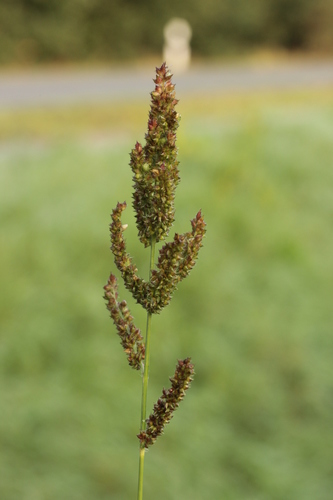
Moesziomyces
Moesziomyces is a fungal genus in the family Ustilaginaceae.
Cintractiella
REDIRECT Cintractiellaceae
Eballistra
The Eballistraceae are a family of smut fungi in the Basidiomycota, class Exobasidiomycetes. This is a monotypic family, containing the single genus Eballistra, species of which have a widespread distribution in tropical regions.

Itersonilia
Itersonilia is a genus of fungi in the order Cystofilobasidiales. The genus comprises yeasts that have a hyphal state, forming cells that give rise to ballistospores. The type species, Itersonilia perplexans, is a commercially significant plant pathogen causing root canker of parsnip and petal blight on chrysanthemums and other cut flowers.
Oliveonia
Oliveonia is a genus of fungi in the order Auriculariales. Species form thin, effused, corticioid basidiocarps (fruit bodies) with microscopically prominent cystidia and aseptate basidia producing basidiospores that give rise to secondary spores. All species are believed to be saprotrophic, most growing on dead wood. The genus was originally published by American mycologist L.S. Olive in 1957 as Heteromyces, but this is an illegitimate later homonym of the lichen genus Heteromyces Müll.Arg. (1889). The genus was renamed Oliveonia by Dutch mycologist M.A. Donk in 1958.
Leucosporidium
Leucosporidium is a genus of fungi in the subdivision Pucciniomycotina. The genus comprises fungi that are mostly known from their yeast states, though some produce hyphal states in culture that give rise to teliospores from which auricularioid (laterally septate) basidia emerge. Species known only from their anamorphic yeast states were formerly referred to the genus Leucosporidiella, but, following changes to the International Code of Nomenclature for algae, fungi, and plants, the practice of giving different names to teleomorph and anamorph forms of the same fungus was discontinued, meaning
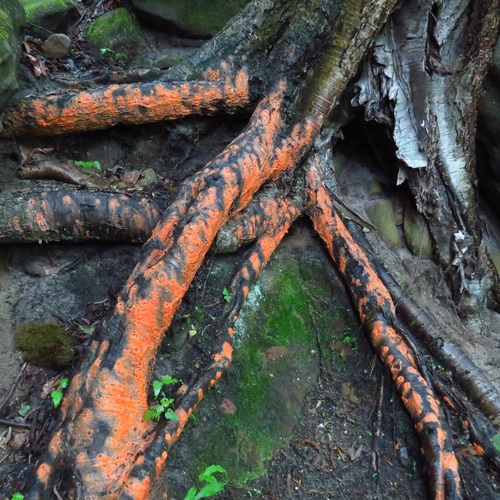
Cystofilobasidium
Cystofilobasidium is a genus of fungi in the family Cystofilobasidiaceae. Species occur as yeasts, but produce filamentous sexual states that form dikaryote teliospores, from which the unicellular basidia (if present) are formed. The hyphae usually have dolipore septa without a parenthesome, and their cell walls contain xylose. The genus currently contains nine species worldwide.

Stilbum
genus of fungi
Volvocisporium
Volvocisporiaceae is a fungal family in the class Exobasidiomycetes. The family contains the single genus Volvocisporium, which in turn contains the single species Volvocisporium triumfetticola, found on the leaves of Triumfetta rhomboidea in India.