Category
page 2Bat genera
Choeroniscus
Choeroniscus (long-tailed bat) is a genus of bat in the family Phyllostomidae.
Ptenochirus
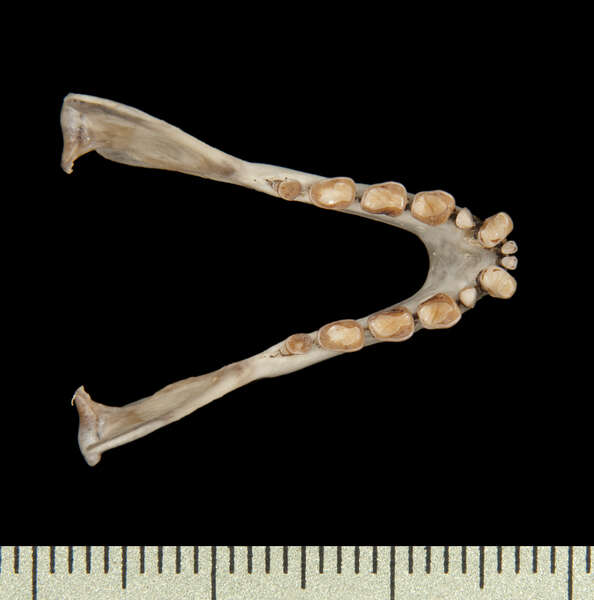
Ptenochirus is a genus of bat in the family Pteropodidae. It contains the following species:
Rhogeessa
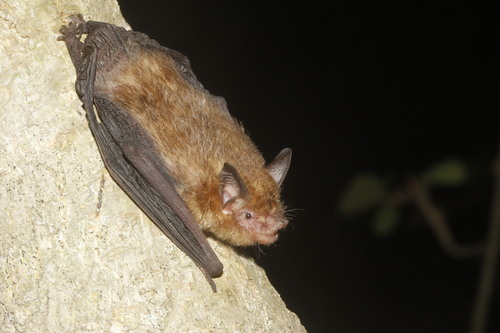
Rhogeessa is a genus of bats within the vesper bats family, Vespertilionidae.

Mops
genus of mammals
Myonycteris
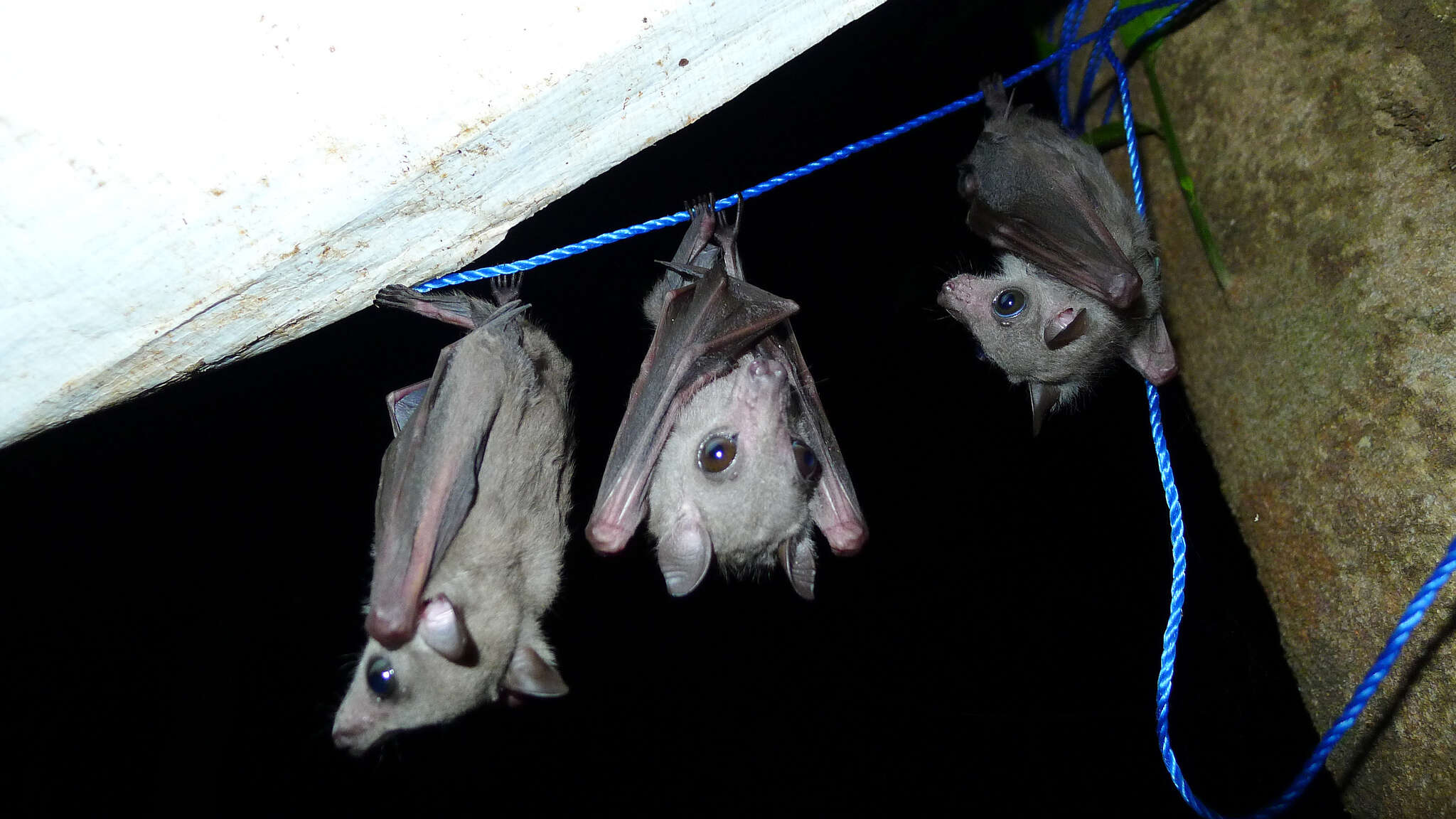
Myonycteris (collared bat) is a genus of bat in the family Pteropodidae.
Desmodus
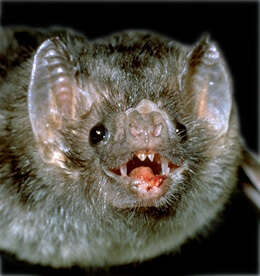
Desmodus is a genus of bats which—along with the genera Diaemus and Diphylla—are allied as the subfamily Desmodontinae, the carnivorous, blood-consuming vampire bats of the New World leaf-nosed bat family Phyllostomidae.
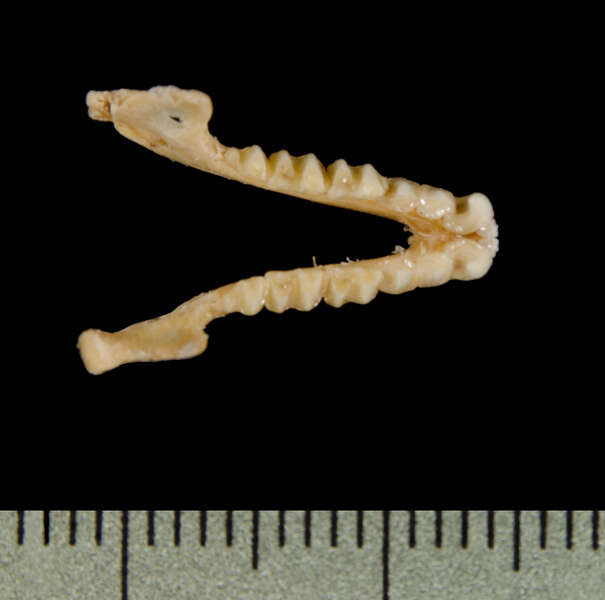
Mimon
Mimon is a bat genus from South America.
Dyacopterus
Dyacopterus is a genus of megabats from south-east Asia. It contains three species, namely:
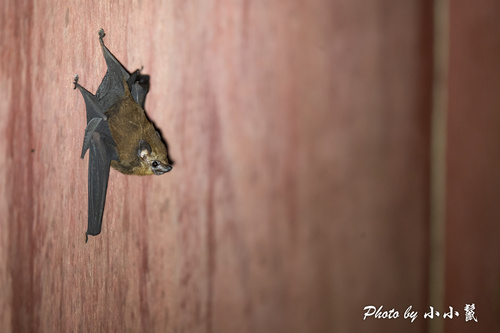
Emballonura
Emballonura (meaning: Erect tail) is a genus of sac-winged bats in the family Emballonuridae. It contains these species:
Small Asian sheath-tailed bat (E. alecto)
Beccari's sheath-tailed bat (E. beccarii)
Large-eared sheath-tailed bat (E. dianae)
Greater sheath-tailed bat (E. furax)
Lesser sheath-tailed bat (E. monticola)
Raffray's sheath-tailed bat (E. raffrayana)
Pacific sheath-tailed bat (E. semicaudata)
Seri's sheath-tailed bat (E. serii)
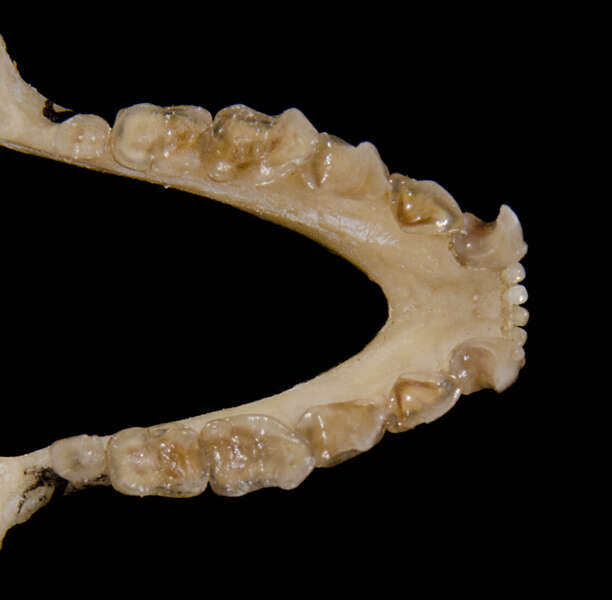
Uroderma
Uroderma is a genus of Central and South American phyllostomid bats.
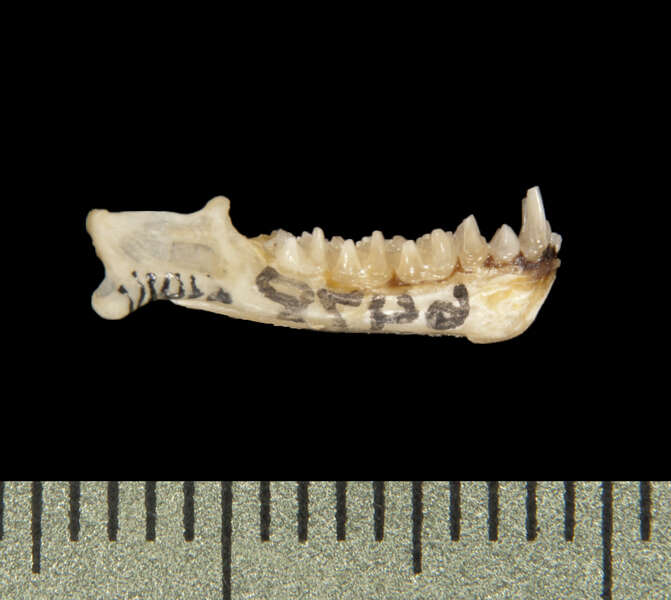
Nyctinomops
Nyctinomops is a genus of bats in the family Molossidae.
Laephotis
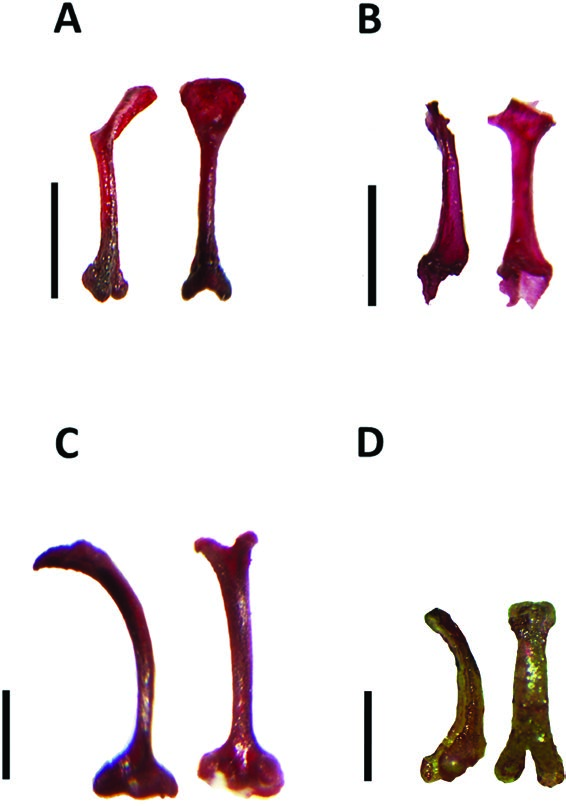
Laephotis (known as the African long-eared bat) is a genus of bats in the family Vespertilionidae. Species within this genus are:
Lophostoma
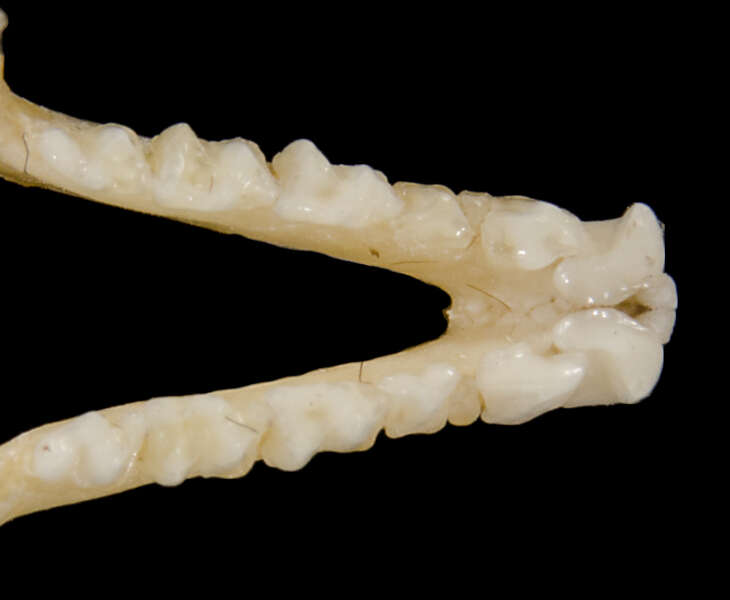
Lophostoma is a genus of Central and South American bats in the family Phyllostomidae.
Cheiromeles
Cheiromeles is a genus of bats in the family Molossidae, the free-tailed bats. The genus was erected and described by Thomas Horsfield, who developed the name from the Greek word cheir ("hand"), a reference to the hand-like hindfoot, which has a toe that flexes like an opposable thumb. These bats have mostly hairless bodies and fold their wings into pouches of skin along their bodies when at rest. These are among the largest insectivorous bats, weighing up to 135 grams.
Harpyionycteris
Harpyionycteris is a genus of megabat in the family Pteropodidae. It contains the following species:
Harpy fruit bat, Harpyionycteris whiteheadi
Sulawesi harpy fruit bat, Harpyionycteris celebensis
Diclidurus
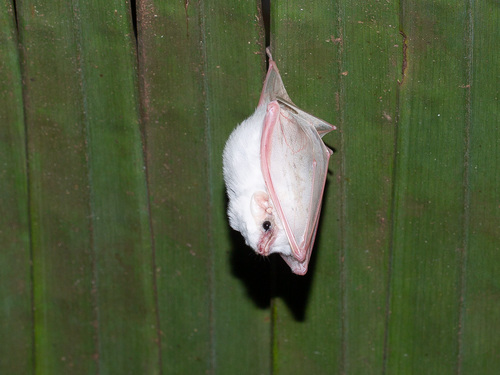
Diclidurus is a genus of bats whose common name is the ghost bats (not to be confused with the Australia Macroderma gigas). Diclidurus all inhabit tropical South America, and D. albus is also found in Mexico and Central America. The fur of these insectivorous bats is white, sometimes with a slight greyish tinge, except D. isabella, which is partially pale brown. The only other all-white bat in the New World is the Honduran white bat, but it is easily distinguished from Diclidurus by its relatively large nose leaf. Diclidurus are poorly known and only infrequently captured, at least in part bec
Coelops
Coelops is a genus of bat in the family Hipposideridae. It contains the following species:
East Asian tailless leaf-nosed bat (Coelops frithii)
Malayan tailless leaf-nosed bat (Coelops robinsoni)
Pteronotus
Pteronotus is a genus of bats. Eight extant species have been recognized, as well as one relatively recently extinct species.
Aethalops
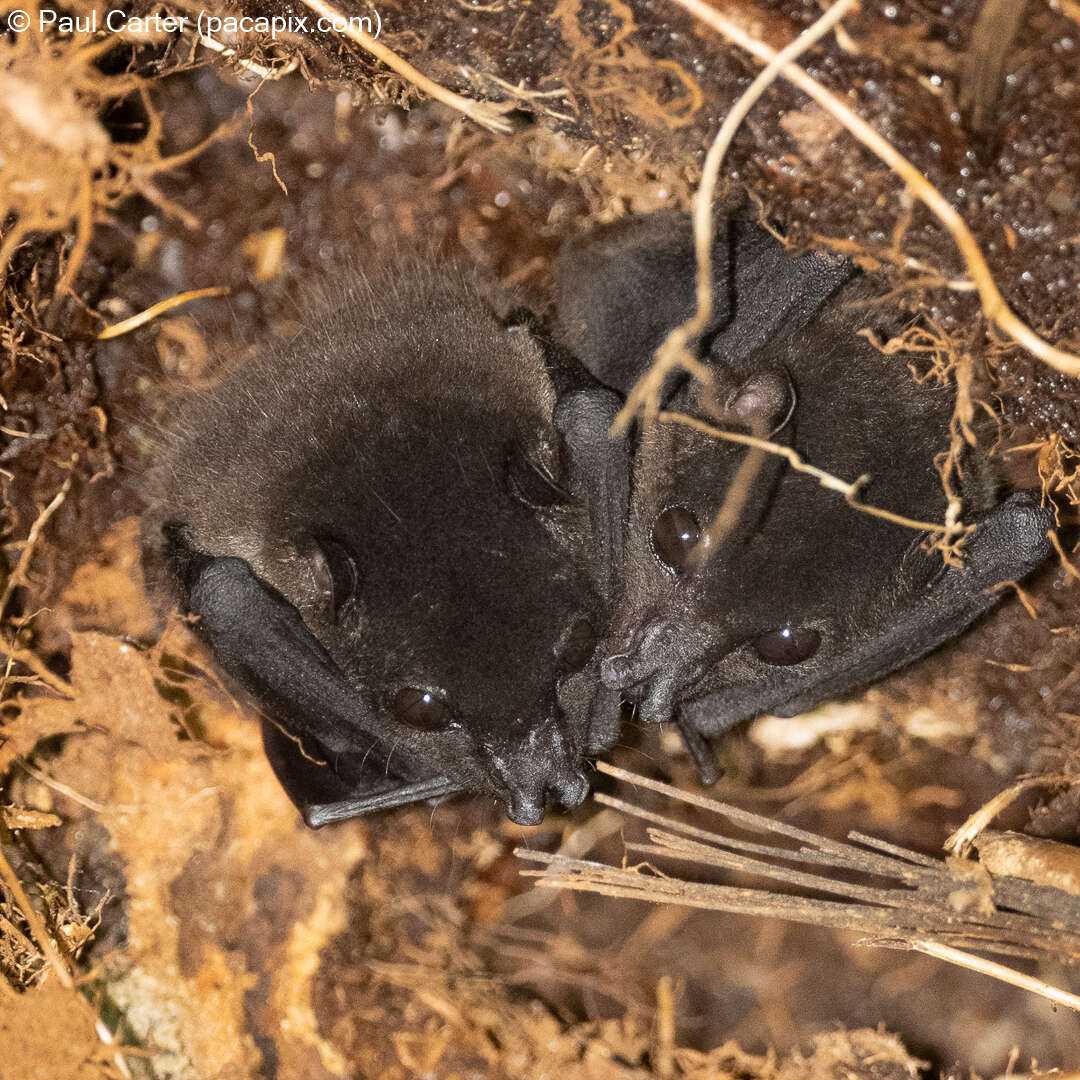
Aethalops (Meaning: sooty bat) is a genus of megabats in the family Pteropodidae. It contains two species:
Borneo fruit bat, A. aequalis
Pygmy fruit bat, A. alecto
Coleura
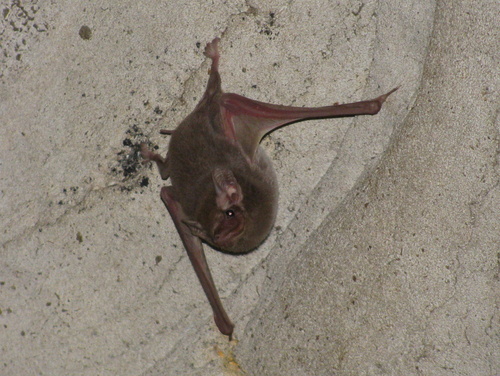
Coleura is a genus of sac-winged bats in the family Emballonuridae. It contains four species:
African sheath-tailed bat (C. afra)
Coleura gallarum
Madagascar sheath-tailed bat (C. kibomalandy)
Seychelles sheath-tailed bat (C. seychellensis)
Triaenops
Triaenops is a genus of bat in the family Rhinonycteridae. It is classified in the tribe Triaenopini, along with the closely related genus Paratriaenops and perhaps the poorly known Cloeotis. The species of Paratriaenops, which occur on Madagascar and the Seychelles, were placed in Triaenops until 2009. Triaenops currently contains the following species:
Triaenops afer
Triaenops menamena
Triaenops parvus
Triaenops persicus
Another species, Triaenops goodmani, was described from subfossil material on Madagascar in 2007, before Paratriaenops was split off, but was not considered in the revision
Epomops
Epomops is a genus of bat in the family Pteropodidae. It contains the following species:
Buettikofer's epauletted fruit bat, Epomops buettikoferi
Franquet's epauletted fruit bat, Epomops franqueti
Peropteryx
Peropteryx is a genus of 5 species of bat in the family Emballonuridae, namely:
Greater dog-like bat (Peropteryx kappleri)
White-winged dog-like bat (Peropteryx leucoptera)
Lesser dog-like bat (Peropteryx macrotis)
Pale-winged dog-like bat (Peropteryx pallidoptera)
Trinidad dog-like bat (Peropteryx trinitatis)
Glyphonycteris
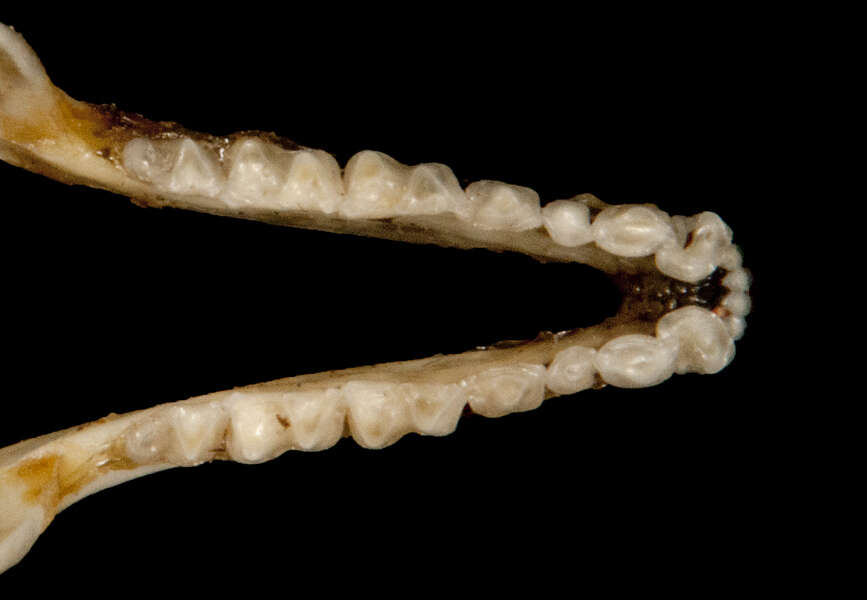
Glyphonycteris is a genus of bat in the family Phyllostomidae. It contains the following species:
Behn's bat (Glyphonycteris behnii)
Davies's big-eared bat (Glyphonycteris daviesi)
Tricolored big-eared bat (Glyphonycteris sylvestris)
Glauconycteris
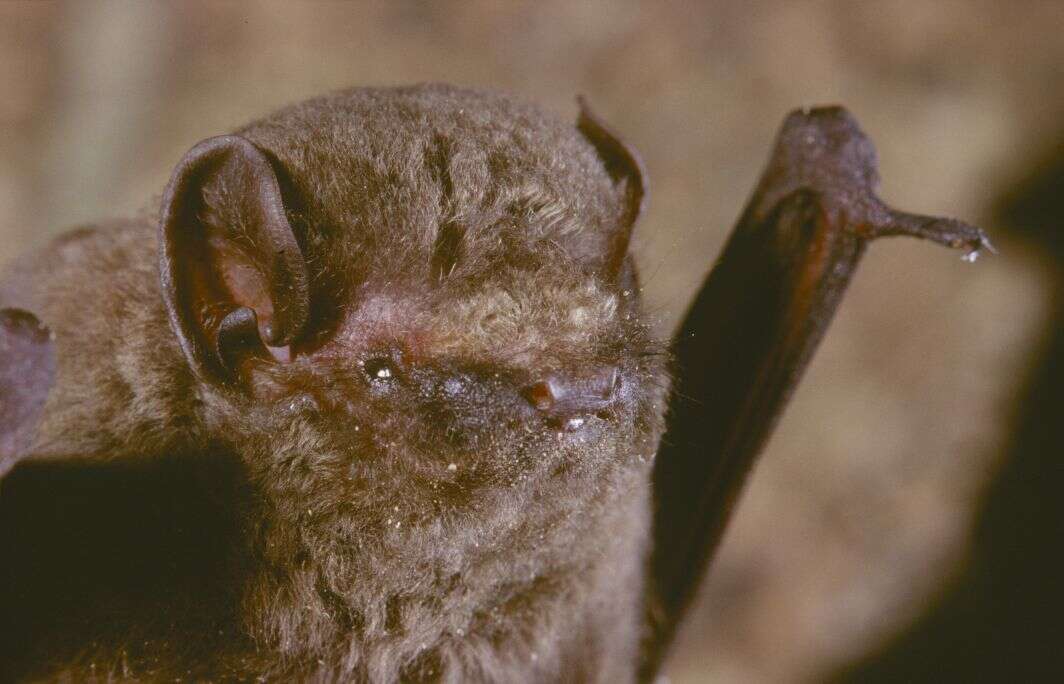
Glauconycteris is a genus of vespertilionid bats found in Africa.
Melonycteris
Melonycteris (dark blossom bat) is a genus of megabat in the family Pteropodidae. Members are found in the Solomon Islands or in the case of the black-bellied fruit bat, in Papua New Guinea.
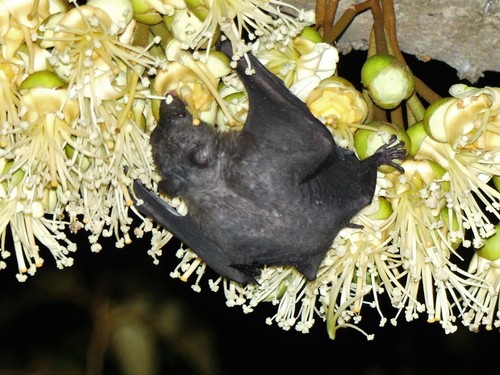
Eonycteris
Eonycteris ("dawn bat") is a genus of megabats found in Asia. They are the only members of the tribe Eonycterini. Species within this genus are:
Promops
Promops is a genus of free-tailed bats.
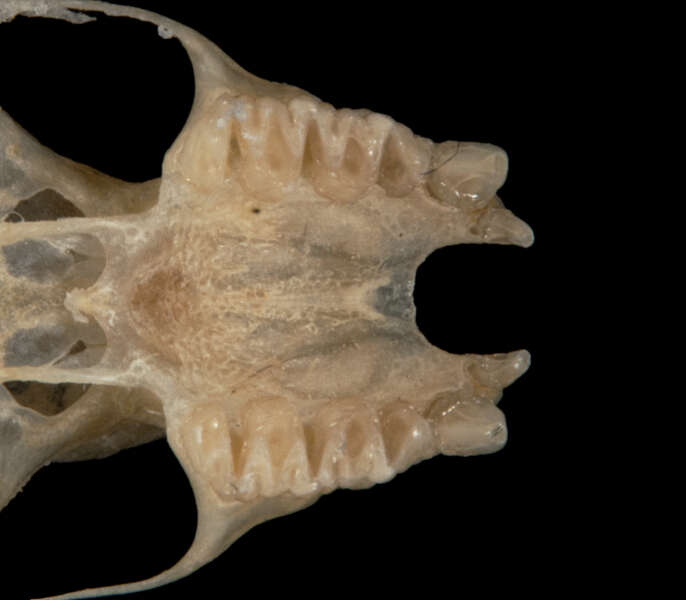
Nycticeius
Nycticeius is a small genus of bats in the vesper bat family, Vespertilionidae, and the only member of the tribe Nycticeiini. It contains three species, the evening bat (N. humeralis), the Cuban evening bat (N. cubanus) and Nycticeius aenobarbus. Some authorities include several other Old World species in Nycticeius, but recent genetic work shows that is a completely New World genus. Nycticeius is of Greek and Latin origin, meaning "belonging to the night".
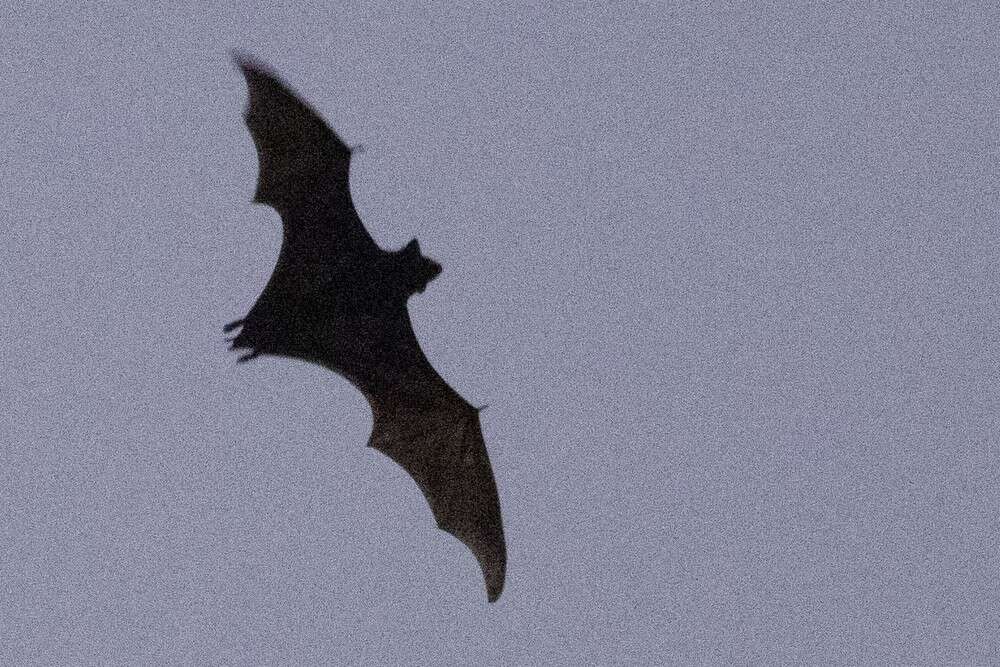
Saccolaimus
Saccolaimus is a genus of the family Emballonuridae, small insectivorous bats with distinctive sheathtails and pouches at the wrist.
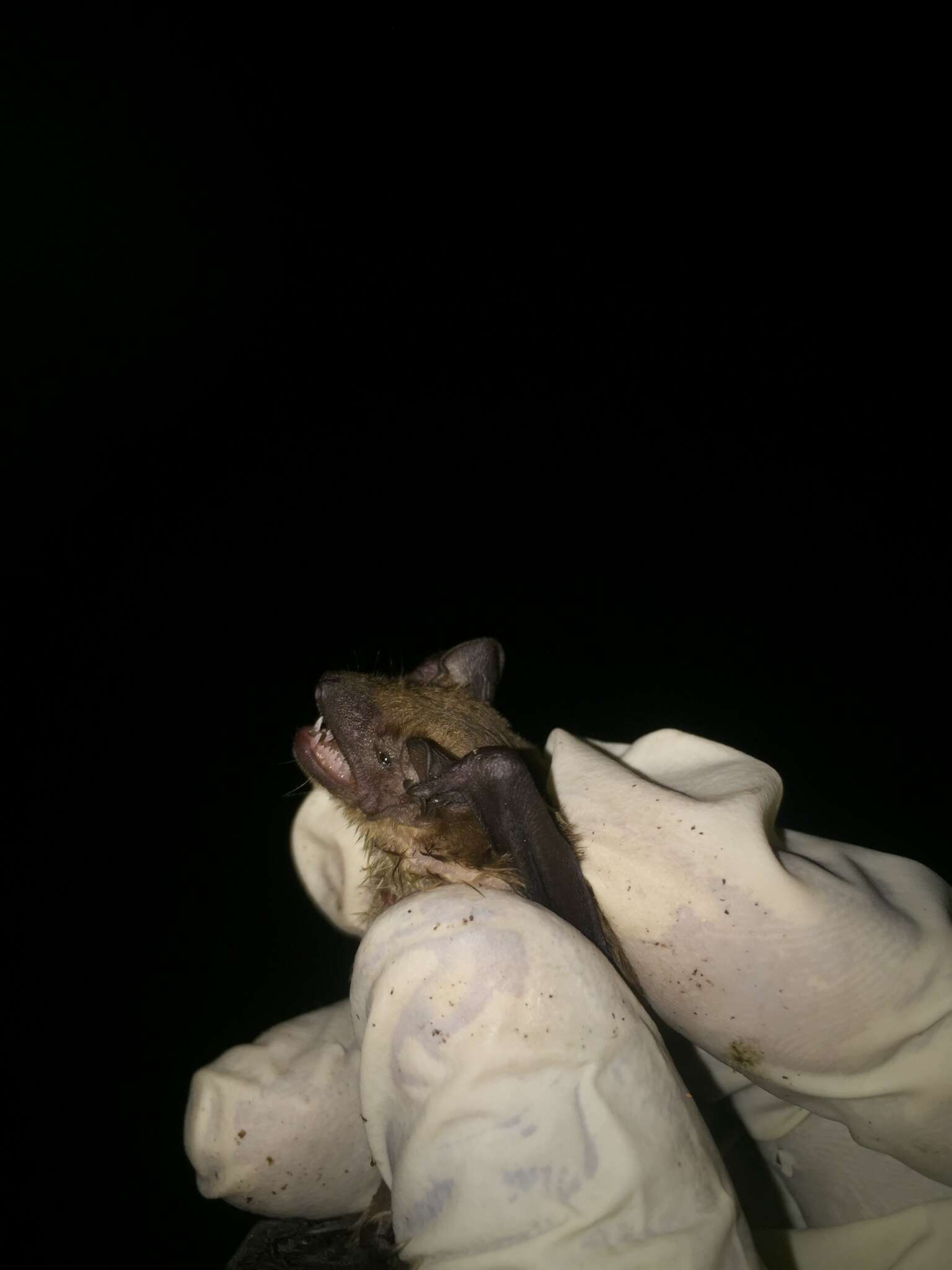
Scotoecus
Scotoecus is a genus of bats in the family Vespertilionidae.

Myzopoda
Myzopoda is a genus of bat, the only member of the monotypic family Myzopodidae, with two described species. Myzopodidae is unique as the only family of bats currently endemic to Madagascar. However, fossil discoveries indicate that the family has an ancient lineage in Africa, extending from the Pleistocene as far back as the late Eocene.

Balantiopteryx
Balantiopteryx is a genus of sac-winged bats. It comprises three species:
Ecuadorian sac-winged bat - B. infusca
Thomas's sac-winged bat - B. io
Gray sac-winged bat - B. plicata
Arielulus
Arielulus is a genus of vesper bats with the following species:
Chalinolobus
Chalinolobus is a genus of bats, commonly known as pied, wattled, or long-tailed bats. They have fleshy lobes at the bottom edge of their ears and on their lower lips. The bats otherwise classified in the genus Glauconycteris are included in Chalinolobus by some zoologists.
Mormopterus
Mormopterus is a genus of molossid microchiropterans, small flying mammals referred to as free-tailed bats. The genus has been the subject of several revisions, and the diversity of taxa centred on Australia were separated to a new genus Ozimops, and two monotypic genera, Setirostris and Micronomus. The species of Mormopterus, in this stricter sense, are only found in areas outside of Australia and West Papua.

Corynorhinus
The genus Corynorhinus consists of the big-eared bats, or American long-eared bats. Only four species occur in the genus, all occurring in North America. Members of this group were previously in the genus Plecotus, the long-eared bats, and were also then called lump-nosed bats. Populations of these species are generally uncommon and declining. Two subspecies, the Virginia big-eared bat (C. t. virginianus) and the Ozark big-eared bat (C. t. ingens) are federally endangered.
Cistugo
Cistugo is a genus of bats from southern Africa. The two species have historically been included in the genus Myotis (family Vespertilionidae), but molecular studies show that the genus is distinct from all other Vespertilionidae, and in fact distinctive enough to be placed in its own family, Cistugidae.

Aselliscus
Aselliscus is a genus of bat in the family Hipposideridae.
, it contains the following species:
Dong Bac's trident bat (Aselliscus dongbacana)
Stoliczka's trident bat (Aselliscus stoliczkanus)
Temminck's trident bat (Aselliscus tricuspidatus)
Syconycteris
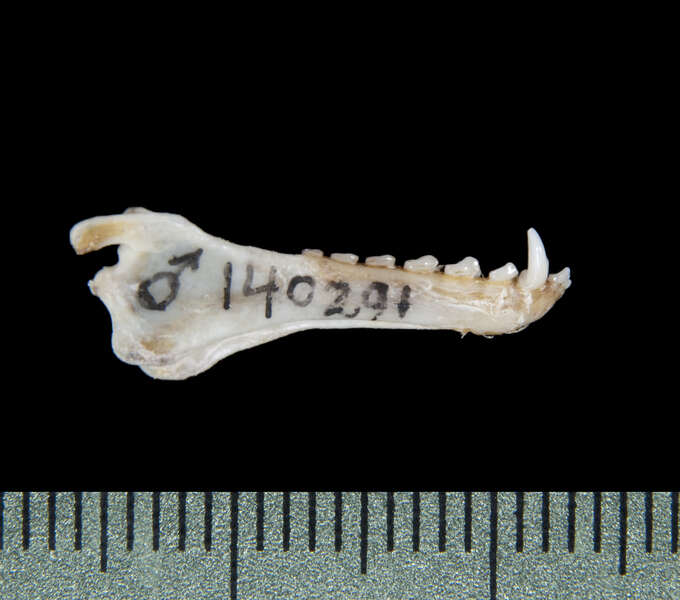
Syconycteris (blossom bat) is a genus of megabat in the family Pteropodidae. There are three described species at present, with more likely to be added. Members of this genus are found in Indonesia, New Guinea and Australia. Their diet mainly consists of nectar and fruit, making them important for pollination and seed dispersal in their environment.

Mormopterus norfolkensis
Micronomus norfolkensis is a species of molossid bat, a family of flying mammals. The bat is endemic to Australia, where it occurs from southeastern Queensland to eastern New South Wales. They are the sole species of genus Micronomus and referred to by variations on east-coast free-tailed bat.
Erophylla
Erophylla is a genus of bat in the family Phyllostomidae. It contains the following species:
Brown flower bat (Erophylla bombifrons)
Buffy flower bat (Erophylla sezekorni)
Micropteropus
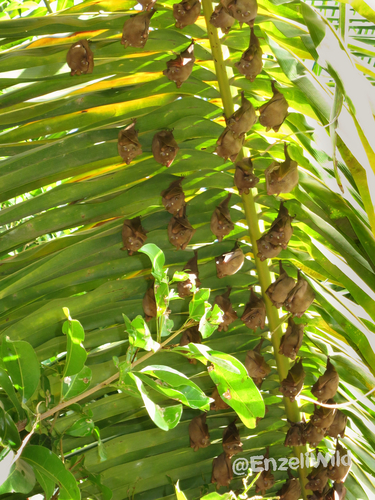
Micropteropus (dwarf epauletted bat) is a genus of bat in the family Pteropodidae. It contains the following species:
Hayman's dwarf epauletted fruit bat, Micropteropus intermedius
Peters's dwarf epauletted fruit bat, Micropteropus pusillus
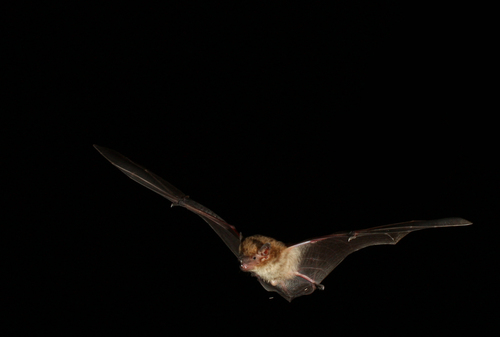
Scotorepens
Scotorepens is a genus of bats within the Vespertilionidae family. Species within this genus are widely distributed across Australia and to the north at Papua New Guinea and Indonesia.
Natalus
The genus Natalus of funnel-eared bats is found from Mexico to Brazil and the Caribbean islands. They are slender bats with unusually long tails and, as their name suggests, funnel-shaped ears. They are small, at only 3.5 to 5.5 cm in length, with brown, grey, yellow, or reddish fur. Their tail is completely enclosed in the interfemoral membrane. Adult males have a natalid organ, a large glad-like organ, on the muzzle or face. Their skulls are delicate and extended. They have swollen, rounded braincase and narrow, somewhat tubular rostrum. They have nineteen teeth on both sides, with two
Paranyctimene
Paranyctimene is a genus of bats in the family Pteropodidae. They are distributed in Indonesia
Notopteris
Notopteris (long-tailed blossom bat) is a genus of megabats in the family Pteropodidae, and the sole member of the subfamily Notopterisinae. It contains the following species:

Neoromicia
Neoromicia is a genus of vesper bat in the family Vespertilionidae. It contains the following species:
Anchieta's serotine (Neoromicia anchietae)
Kirindy serotine (Neoromicia bemainty)
Yellow serotine (Neoromicia flavescens)
Tiny serotine (Neoromicia guineensis)
Melck's house bat (Neoromicia melckorum)
Somali serotine (Neoromicia somalica)
Zulu serotine (Neoromicia zuluensis)
Styloctenium
Styloctenium (known as stripe-faced fruit bat or stripe-faced flying fox) is a genus of stripe-faced fruit bat in the Pteropodidae (megabat) family. It comprises the following species:
Mindoro stripe-faced fruit bat, Styloctenium mindorensis
Sulawesi stripe-faced fruit bat, Styloctenium wallacei

Vespadelus
Vespadelus is a genus of Australian bats in the family Vespertilionidae.
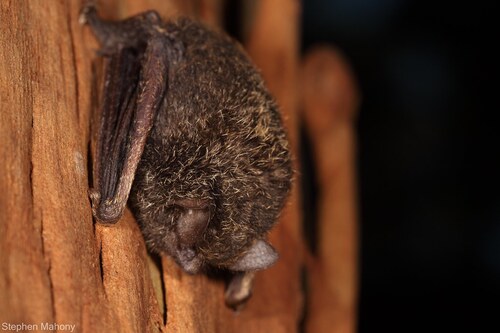
Phoniscus
Phoniscus is a genus of vesper bat in the family Vespertilionidae. It contains the following species:
Dubious trumpet-eared bat (Phoniscus aerosus)
Groove-toothed bat (Phoniscus atrox)
Peters's trumpet-eared bat (Phoniscus jagorii)
Golden-tipped bat (Phoniscus papuensis)

Cynomops
Cynomops is a genus of Central and South American dog-faced bats in the family Molossidae. It has sometimes been considered a subgenus of Molossops. It contains the following species:
Centronycteris
Centronycteris is a genus of sac-winged bats. It contains two species:
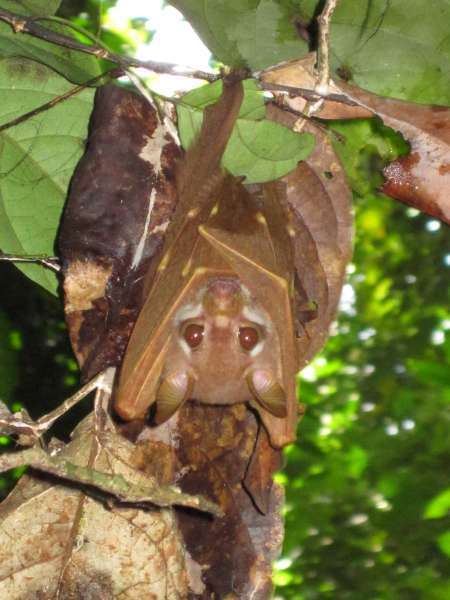
Casinycteris
Casinycteris (Short-palated bat) is a genus of bats described in 1910. It currently consists of three species:
Short-palated fruit bat (Casinycteris argynnis)
Campo-Ma’an fruit bat (Casinycteris campomaanensis)
Pohle's fruit bat (Casinycteris ophiodon)
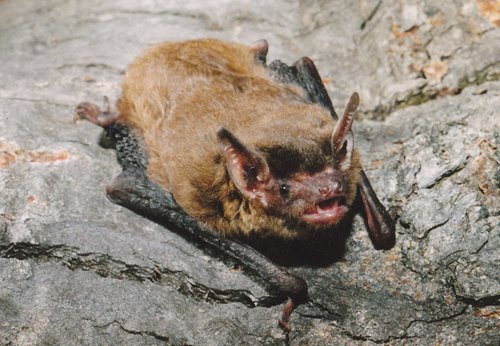
Falsistrellus
Falsistrellus is a genus of vespertilionid family of bats, small predatory flying mammals. They are known from Australia. The poorly researched species have been variously placed by authors, and revised again by studies of their distinct characteristics, consequently the falsistrelles may also be referred to as pipistrelles or false pipstrelles.
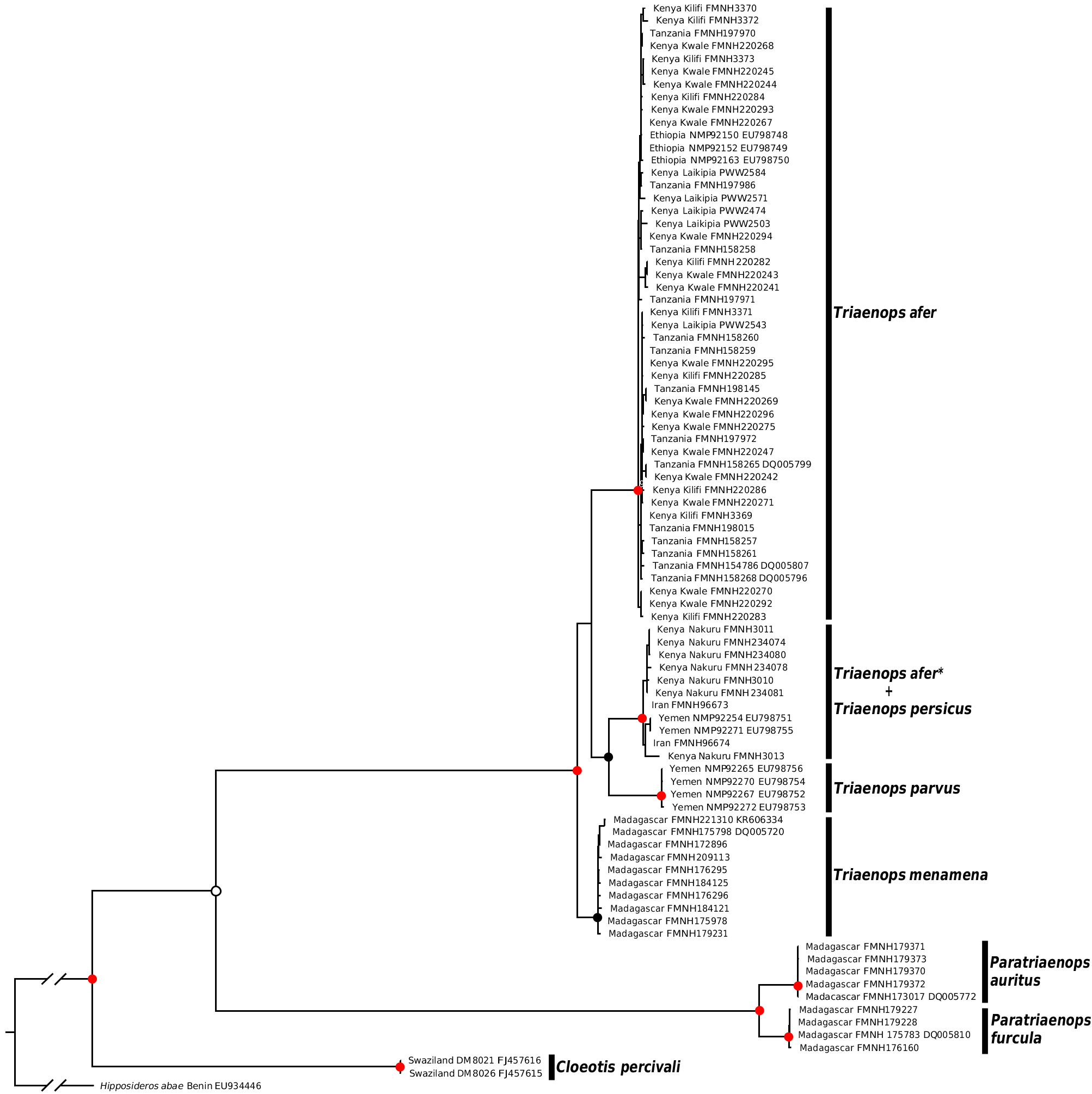
Paratriaenops
Paratriaenops is a genus in the bat family Hipposideridae. It is classified in the tribe Triaenopini, along with the closely related genus Triaenops and perhaps the poorly known Cloeotis. The species of Paratriaenops were placed in Triaenops until 2009. Paratriaenops currently contains the following species:
Paratriaenops auritus
Paratriaenops furcula
Paratriaenops pauliani
P auritus and P. furcula are found on Madagascar, P. pauliani in the Seychelles. The species Triaenops goodmani was described from subfossil material on Madagascar in 2007, before Paratriaenops was erected, but was not cons
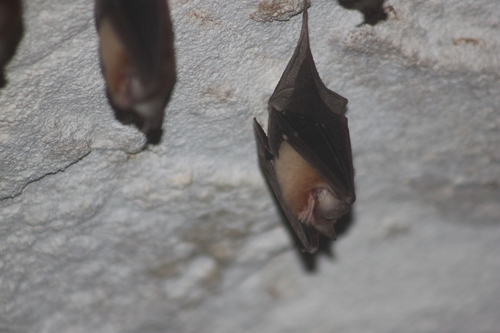
Chilonatalus
The genus Chilonatalus of funnel-eared bats is found in South America and the Antilles. It has three species. New mitochondrial and nuclear DNA sequences that were analyzed with published morphological data to see the relationship of extinct natalids. It was found that this fossil taxon's phylogeny that was based on morphological data can be assumed that the Chilonatalus micropus is and one other species is a widespread species
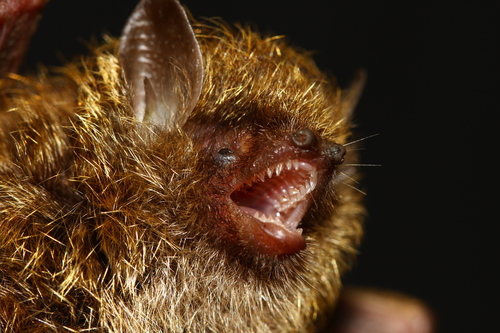
Harpiola
Harpiola is a genus (or possibly subgenus) of vesper bats within the subfamily Murininae. It contains Peters's tube-nosed bat (Harpiola grisea) and the Formosan golden tube-nosed bat (Harpiola isodon).
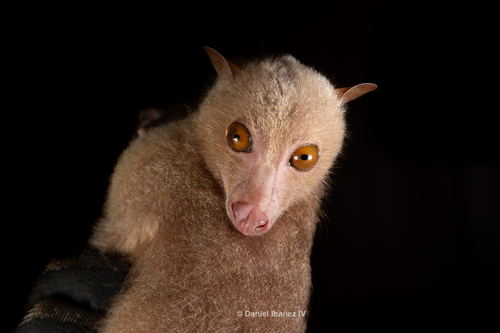
Desmalopex
Desmalopex (known as the white-winged flying fox or mottled-winged flying fox) is a genus of megabats in the family Pteropodidae. It has historically been included in the genus Pteropus and occurs only in the Philippines.
Ia
genus of mammals