Category
page 1Bengali music
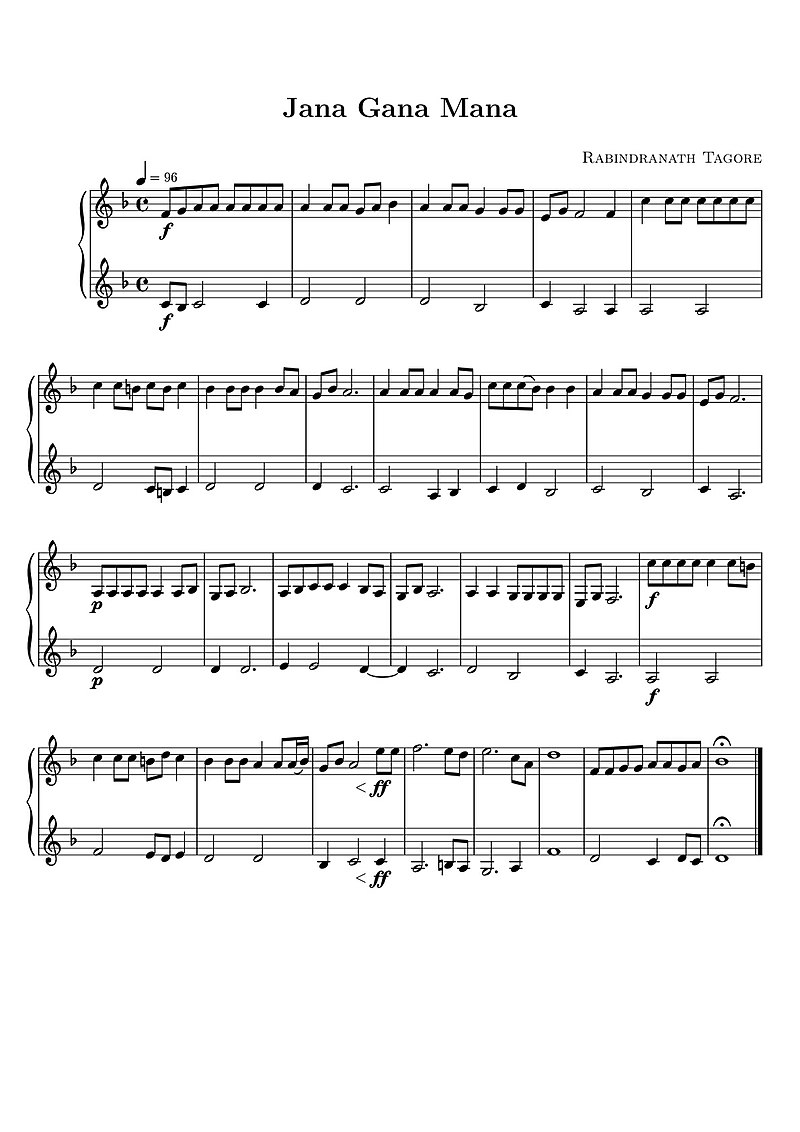
Jana Gana Mana
national anthem of India

baul
alt=|thumb|A Baul from Lalon|Lalon Shah's shrine in Kushtia, Bangladesh
thumb|upright|Ektara, a common musical instrument of Bauls

Rabindra Sangeet
songs composed by Rabindranath Tagore
bhawaiya
Bhawaiya is a musical form or a popular folk music that originated in Northern Bengal, especially the Rangpur Division in Bangladesh, Cooch Behar district of West Bengal, India, and the undivided Goalpara district of Assam, India. It has recurrent themes of the "working class", mahouts, mahishals (buffalo herders), and gariyals (cart drivers). Lyrics express pangs of separation and loneliness of their womenfolk, with elongated tones accentuating pain, longing and "deep emotion". Bhawaiya is generally believed to have originated in the 16th century under Biswa Singha, and has evolved into stage
gombhira
Gombhira, Gambhira or Gamvira () is a type of Bengali folk song and dance originating in the Bengal region, from what is known today as northwestern Bangladesh and north eastern West Bengal, India.
Nazrul Geeti
songs composed by Nazrul Islam
music of Bangladesh
overview of music traditions in Bangladesh
music of West Bengal
overview of musical genres in Indian state of West Bengal
Khamak
thumb|180px|A baul playing a khamak.
The Khamak is a string instrument similar to the Gubguba or Anandalahari, originating in bengal region, common in folk music of Bengal, Odisha and North East India, especially Baulgaan. It is a one-headed drum with a string attached to it which is plucked. The only difference from ektara is that no bamboo is used to stretch the string, which is held by one hand, while being plucked by another. In Anandalahari, the other end of the string is fixed inside a copper pot only.
Bharot Bhagyo Bidhata
lyrics of the national anthem of India
Agamani-Vijaya
Agamani () () are genres of Bengali folk songs celebrating the return of the Goddess Parvati to the home of her parents on the eve of the Hindu autumn festival of Durga Puja. The Aagamani songs describe the return of Parvati to in her rural home, not as Goddess but as daughter, and are followed by Vijaya songs which describe the sorrow of separation three days later as Parvati returns to her husband Shiva.