Category
page 1Biodegradable waste management

biofuel
thumb|upright|A sample of biodiesel

biogas
thumb|270px|Simple sketch of household biogas plant

compost
thumb|upright=1.3|Community-level composting in a rural area in Germany

pyrolysis
thumb|Burning pieces of wood, showing various stages of pyrolysis, followed by oxidative combustion

biodegradation
thumb|Yellow slime mold growing on a bin of wet paper
decomposition
thumb|Decomposition of strawberries, reverse time lapse
alt=African buffalo skull decomposing in the Serengeti National Park, Tanzania|thumb|African buffalo skull decomposing in the [[Serengeti National Park, Tanzania]]
thumb|A rotten apple after it fell from a tree
thumb|Decomposing fallen nurse log in a forest

bioplastic
thumb|Biodegradable plastic kitchen utensil|utensils
thumb|Flower wrapping made of PLA-blend bio-flex
Bioplastics are plastic materials produced from renewable biomass sources. In the context of bioeconomy and the circular economy, bioplastics remain topical. Conventional petro-based polymers are increasingly blended with bioplastics to manufacture "bio-attributed" or "mass-balanced" plastic products—so the difference between bio- and other plastics might be difficult to define.
Stockholm Convention on Persistent Organic Pollutants
treaty

vermicompost
thumb|upright=1.2|Vermicomposting uses worms to decompose waste and make nutrient-rich "worm manure".
persistent organic pollutant
organic compound that resists environmental degradation
bioaccumulation
Bioaccumulation is the gradual accumulation of substances, such as pesticides or other chemicals, in an organism. Bioaccumulation occurs when an organism absorbs a substance faster than it can be lost or eliminated by catabolism and excretion. Thus, the longer the biological half-life of a toxic substance, the greater the risk of chronic poisoning, even if environmental levels of the toxin are not very high. Bioaccumulation, for example in fish, can be predicted by models. Hypothesis for molecular size cutoff criteria for use as bioaccumulation potential indicators are not supported by data. B
.jpg)
thermophile
right|thumb|300px|Thermophiles produce some of the bright colors of Grand Prismatic Spring, [[Yellowstone National Park]]
A thermophile is a type of extremophile that thrives at relatively high temperatures, between . Many thermophiles are archaea, though some of them are bacteria and fungi. Thermophilic bacteria are suggested to have been among the earliest bacteria.
biodegradable waste
Waste that can naturally decompose, such as food scraps, peels, or fallen leaves.
mesophile
A mesophile is an organism that grows best in moderate temperature, neither too hot nor too cold, with an optimum growth range from . The optimum growth temperature for these organisms is 37 °C (about 99 °F). The term is mainly applied to microorganisms. Organisms that prefer extreme environments are known as extremophiles. Mesophiles have diverse classifications, belonging to two domains: Bacteria, Archaea, and to kingdom Fungi of domain Eukarya. Mesophiles belonging to the domain Bacteria can either be gram-positive or gram-negative. Oxygen requirements for mesophiles can be aerobi

biofilter
thumb|right| Biosolids composting plant biofilter mound - note sprinkler visible front right to maintain proper moisture level for optimum functioning

biohydrogen
thumb|Microbial hydrogen production.
Biohydrogen is H2 that is produced biologically. Interest is high in this technology because H2 is a clean fuel and can be readily produced from certain kinds of biomass, including biological waste. Furthermore some photosynthetic microorganisms are capable of producing H2 directly from water splitting using light as energy source.
dry animal dung fuel
animal feces that has been dried in order to be used as a fuel source

cesspit
thumb|right|Scheme of a cesspit that is constructed like an underground holding tank
promession
Promession is an idea of how to dispose human remains by way of freeze drying. The concept of promession was developed by Swedish biologist Susanne Wiigh-Mäsak, who derived the name from the Italian word for "promise" (promessa). She founded Promessa Organic AB in 1997 to commercially pursue her idea. The company went bankrupt in 2015 without being able to produce a functioning facility. Critics questioned the technical feasibility of the process.

photodegradation
thumb|A plastic bucket used as an open-air flowerpot photodegraded after some years.
Photodegradation is the alteration of materials by light. Commonly, the term is used loosely to refer to the combined action of sunlight and air, which cause oxidation and hydrolysis. Often photodegradation is intentionally avoided, since it destroys paintings and other artifacts. It is, however, partly responsible for remineralization of biomass and is used intentionally in some disinfection technologies. Photodegradation does not apply to how materials may be aged or degraded via infrared light or heat, but
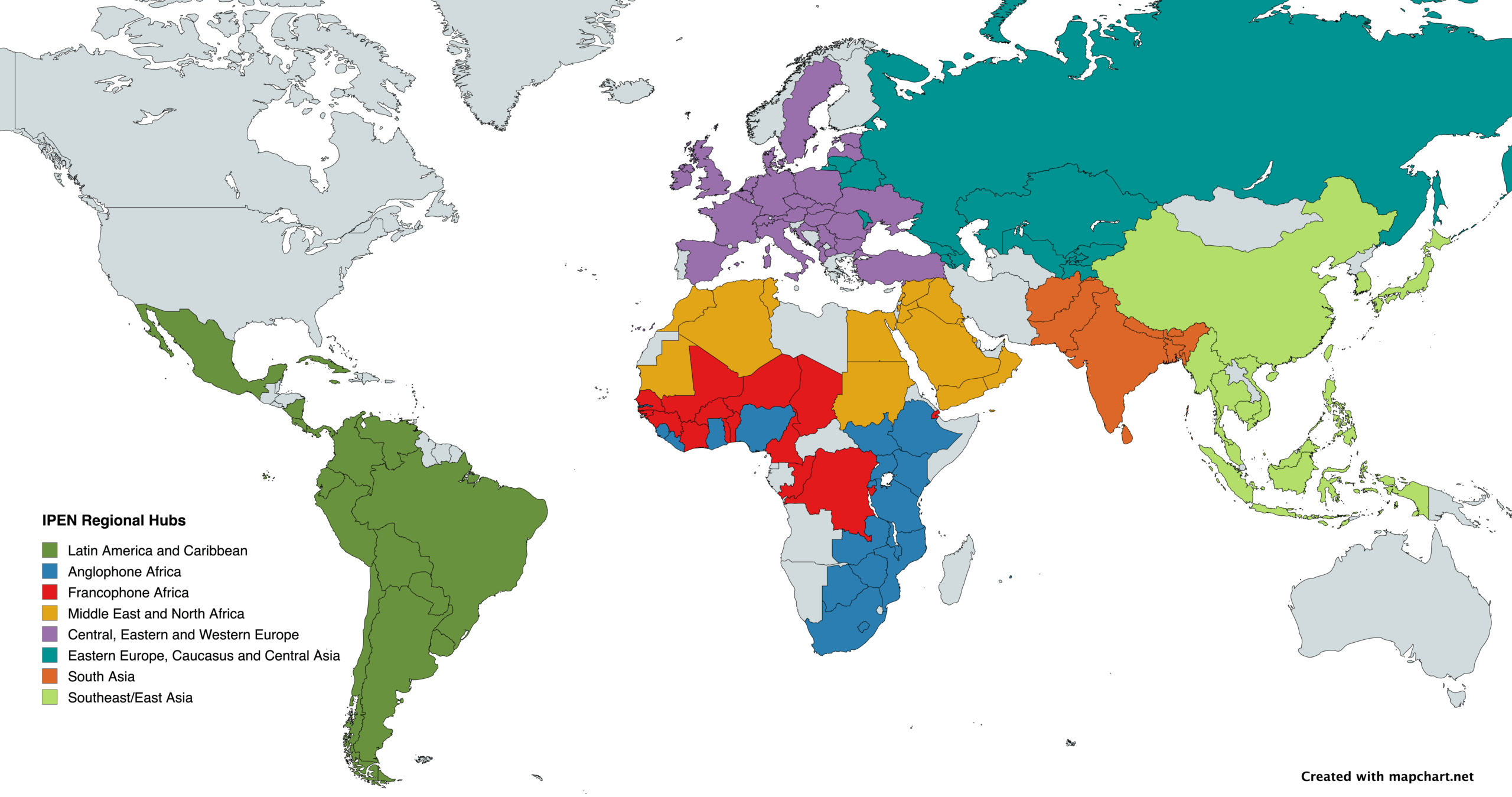
International Pollutants Elimination Network
organization
Trickling filter
type of wastewater treatment system with a fixed bed of rocks or similar
mechanical biological treatment
system
green waste
biodegradable waste
Thermal depolymerization
process for converting biomass into oil
human waste
human bodily waste which is excreted from the body, such as feces and urine
3-nitrooxypropanol
3-Nitrooxypropanol (abbreviated as 3-NOP or 3NOP, commercially known as Bovaer) is a synthetic organic compound with the formula HOCH2CH2CH2ONO2. It is the mononitrate ester of 1,3-propanediol and acts as an enzyme inhibitor that specifically targets methyl coenzyme M reductase (MCR), the enzyme that catalyzes the final step of methanogenesis in microbes living in the digestive system of ruminants, such as cows and sheep.
digestate
right|thumbnail|300px|Acidogenic digestate produced from mixed municipal waste
Digestate is the material remaining after the anaerobic digestion (decomposition under low oxygen conditions) of a biodegradable feedstock. Anaerobic digestion produces two main products: digestate and biogas. Digestate is produced both by acidogenesis and methanogenesis and each has different characteristics. These characteristics stem from the original feedstock source as well as the processes themselves.
Aarhus Protocol on Persistent Organic Pollutants
treaty
brown waste
type of biodegradable waste
bioconversion
Bioconversion, also known as biotransformation, is the conversion of organic materials, such as plant or animal waste, into usable products or energy sources by biological processes or agents, such as certain microorganisms. One example is the industrial production of cortisone, which one step is the bioconversion of progesterone to 11-alpha-Hydroxyprogesterone by Rhizopus nigricans. Another example is the bioconversion of glycerol to 1,3-propanediol, which is part of scientific research for many decades.
Rotating biological contactor
biological process for wastewater treatment