Category
page 1Biological rules

heuristic
A heuristic or heuristic technique (problem solving, mental shortcut, rule of thumb) is any approach to problem solving that employs a pragmatic method that is not fully optimized, perfected, or rationalized, but is nevertheless "good enough" as an approximation or attribute substitution. Where finding an optimal solution is impossible or impractical, heuristic methods can be used to speed up the process of finding a satisfactory solution. Heuristics can be mental shortcuts that ease the cognitive load of making a decision.
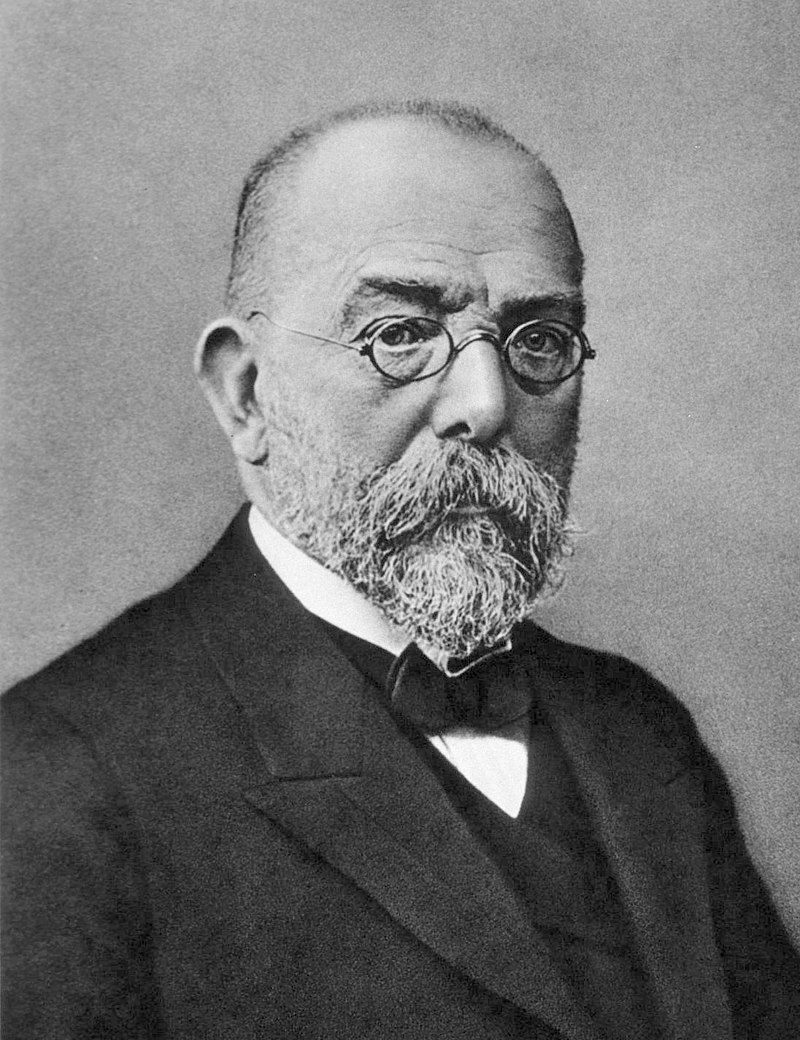
Koch's postulates
four criteria showing a causal relationship between a causative microbe and a disease
competitive exclusion principle
proposition that two species competing for the same limiting resource cannot coexist at constant population values
Dollo's law of irreversibility
hypothesis proposed by Louis Dollo which states evolution is not reversible
Cope's rule
A postulation pertaining to evolution
Haldane's rule
observation in evolutionary biology
Rensch's rule
biological rule in allometrics, concerning the relationship between the extent of sexual size dimorphism and which sex is larger
biological rule
generalized principle to describe patterns observed in living organisms
von Baer's laws
theory in embryology
Emery's Rule
the trend of social parasites to be parasites to species or genera they are closely related to
cospeciation
thumb|upright=1.3|Cospeciation and host-parasite associations. From top to bottom:
Cospeciation: host and parasite speciate concurrently
Host switching: speciation as parasite switches hosts and evolves in reproductive isolation
Independent speciation: parasite speciates on same host, reasons unrelated to host
Extinction: parasite goes extinct on host
Missing the boat: host speciates but parasite does not end up reproductively isolated
Cospeciation is a form of coevolution in which the speciation of one species dictates speciation of another species and is most commonly studied in host-parasit