Category
page 1Bioluminescent dinoflagellates
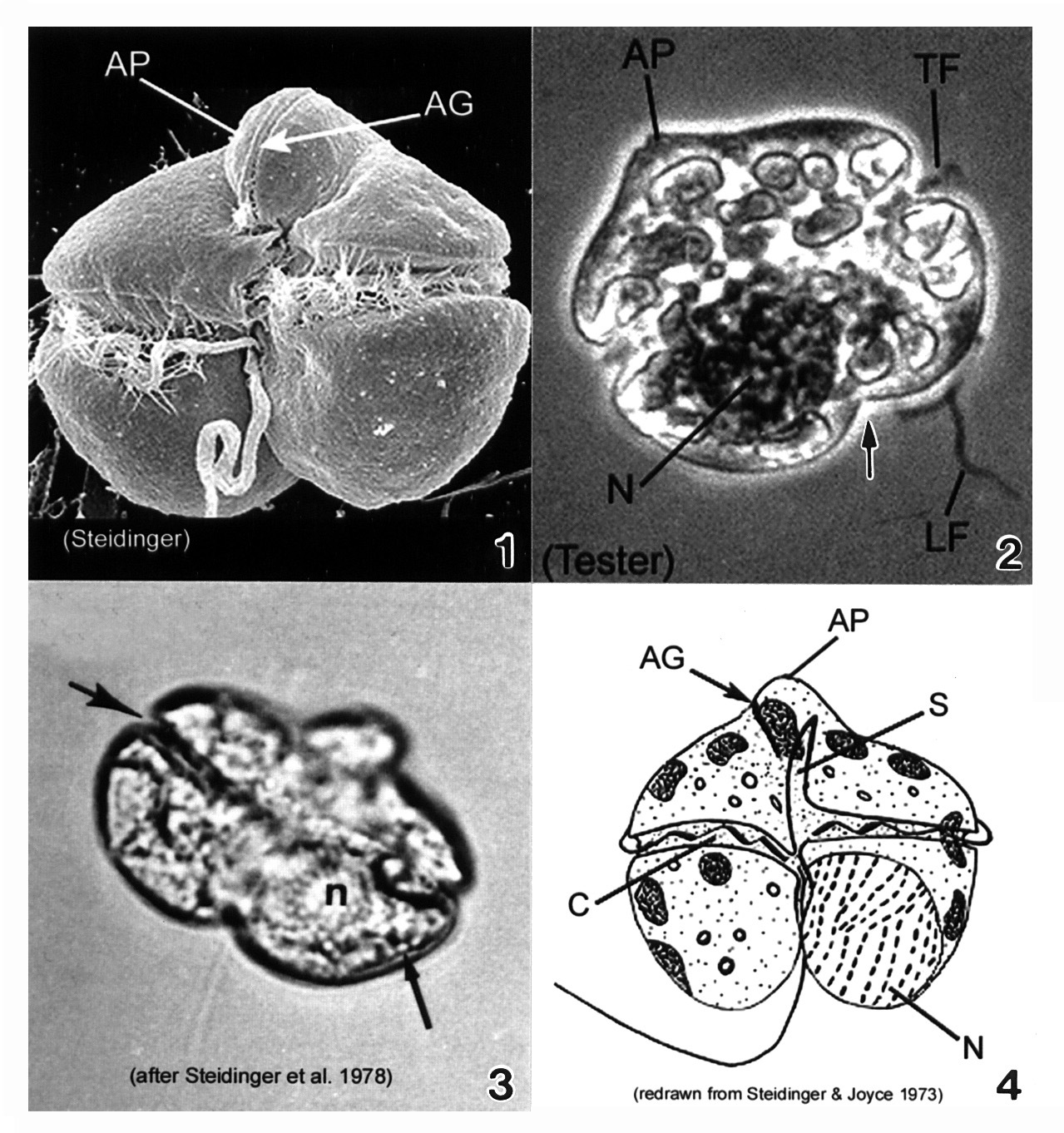
Gymnodinium
Gymnodinium is a genus of dinoflagellates, a type of marine and freshwater plankton. It is one of the few naked dinoflagellates, or species lacking armor known as cellulosic plates. Since 2000, the species which had been considered to be part of Gymnodinium have been divided into several genera, based on the nature of the apical groove and partial LSU rDNA sequence data. Amphidinium was redefined later. Gymnodinium belong to red dinoflagellates that, in concentration, can cause red tides. The red tides produced by some Gymnodinium, such as Gymnodinium catenatum, are toxic and pose risks to mar

Ceratium
The genus Ceratium is restricted to a small number (about 7) of freshwater dinoflagellate species. Previously the genus contained also a large number of marine dinoflagellate species. However, these marine species have now been assigned to a new genus called Tripos. Ceratium dinoflagellates are characterized by their armored plates, two flagella, and horns. They are found worldwide and are of concern due to their blooms.

Gonyaulax
thumb | 220x124px | right | Gonyaulax spinifera
Gonyaulax is a genus of dinoflagellates with the type species Gonyaulax spinifera (Claparède et Lachmann) Diesing. Gonyaulax belongs to red dinoflagellates and commonly causes red tides. It can produce yesotoxins: for example, strains of Gonyaulax spinifera from New Zealand are yessotoxin producers.