Category
page 1Biorepositories
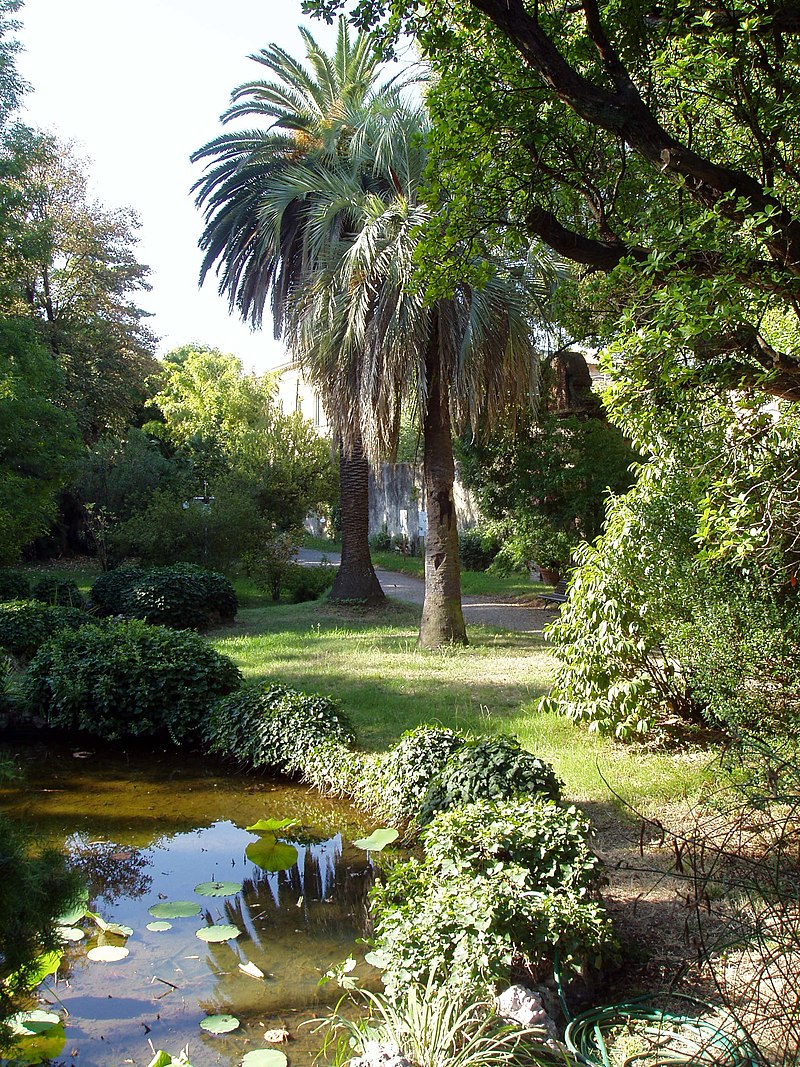
botanical garden
area displaying a wide range of plants labelled with their botanical names
gene pool
set of all genes in a population
sperm bank
facility that collects and stores human semen from sperm donors for use by women who need donor-provided sperm to achieve a pregnancy or pregnancies.
seed bank
backup seed storage

germ plasm
thumb|Germplasm bank of the Instituto Nacional de Tecnología Agropecuaria.
Germplasm refers to genetic resources such as seeds, tissues, and DNA sequences that are maintained for the purpose of animal and plant breeding, conservation efforts, agriculture, and other research uses. These resources may take the form of seed collections stored in seed banks, trees growing in nurseries, animal breeding lines maintained in animal breeding programs or gene banks. Germplasm collections can range from collections of wild species to elite, domesticated breeding lines that have undergone extensive human
soil seed bank
viable seed present in the soil

seed library
institution that lends or shares seed
Nordic Genetic Resource Center
Nordic genebank and seedbank
biorepository
A biorepository is a facility that collects, catalogs, and stores samples of biological material for laboratory research. Biorepositories collect and manage specimens from animals, plants, and other living organisms. Biorepositories store many different types of specimens, including samples of blood, urine, tissue, cells, DNA, RNA, and proteins. If the samples are from people, they may be stored with medical information along with written consent to use the samples in laboratory studies.
conservatory
greenhouse for the public display of plants
DNA bank
storage of physical DNA samples
Frozen Ark
Frozen zoo project