Category
page 1Bivalve orders
Ostreida
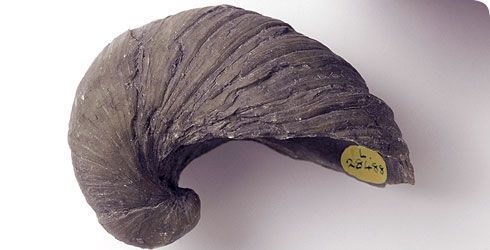
The order Ostreida includes the true oysters. One superfamily (Ostreoidea) and two extant families are recognised within it. The two families are Ostreidae, the true oysters, and Gryphaeidae, the foam oysters.

Unionida
Unionida is a monophyletic order of freshwater mussels, aquatic bivalve molluscs. The order includes most of the larger freshwater mussels, including the freshwater pearl mussels. The most common families are the Unionidae and the Margaritiferidae. All have in common a larval stage that is temporarily parasitic on fish, nacreous shells, high in organic matter, that may crack upon drying out, and siphons too short to permit the animal to live deeply buried in sediment.
Arcida
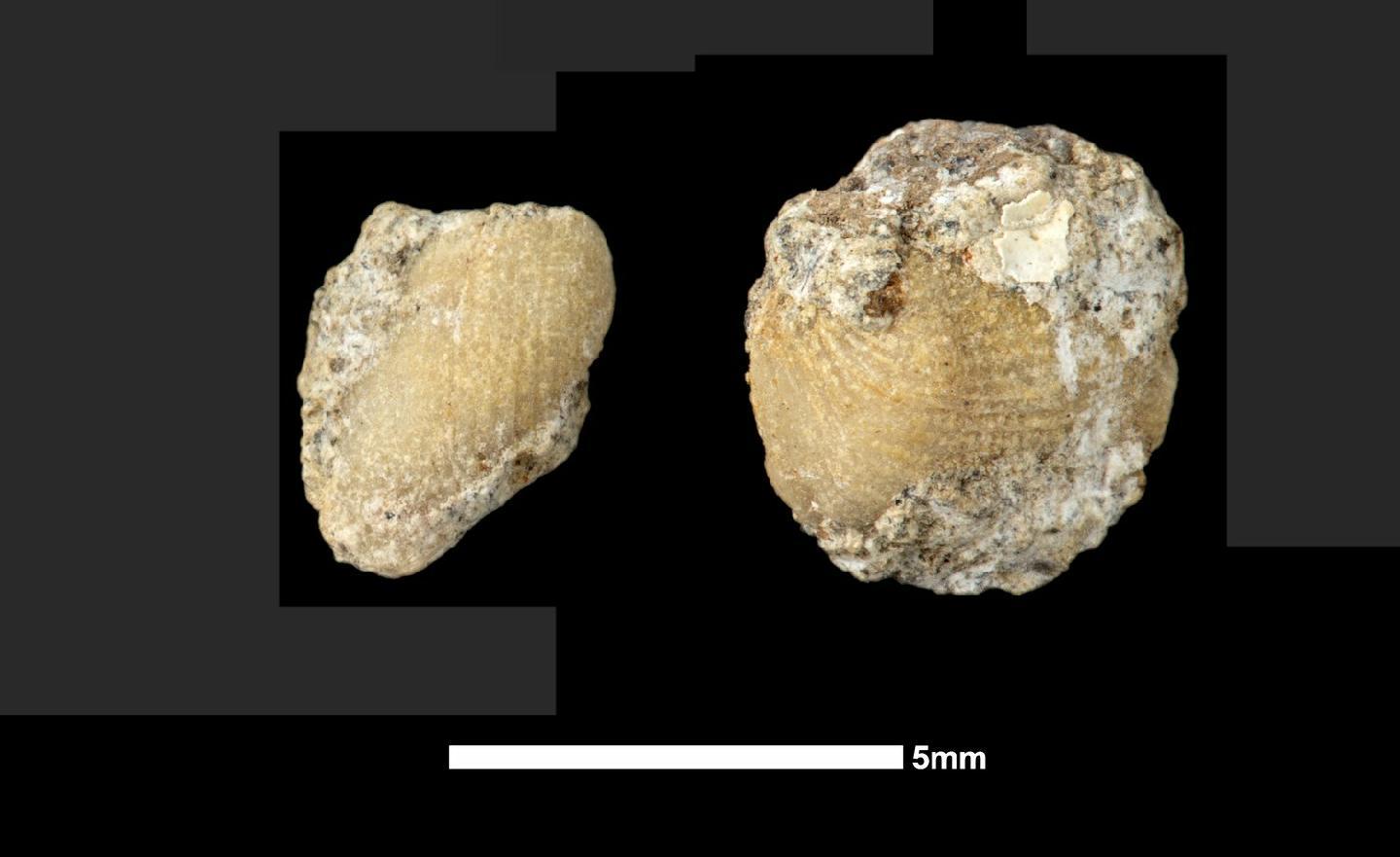
The Arcida is an extant order of bivalve molluscs. This order dates back to the lower Ordovician period. They are distinguished from related groups, such as the mussels, by having a straight hinge to the shells, and the adductor muscles being of equal size. The duplivincular ligament, taxodont dentition, and a shell microstructure consisting of the outer crossed lamellar and inner complex crossed lamellar layers are defining characters of this order.

Pterioida
The Pteriida are an order of large and medium-sized marine bivalve mollusks. It includes five families, among them the Pteriidae (pearl oysters and winged oysters).
Pectinida
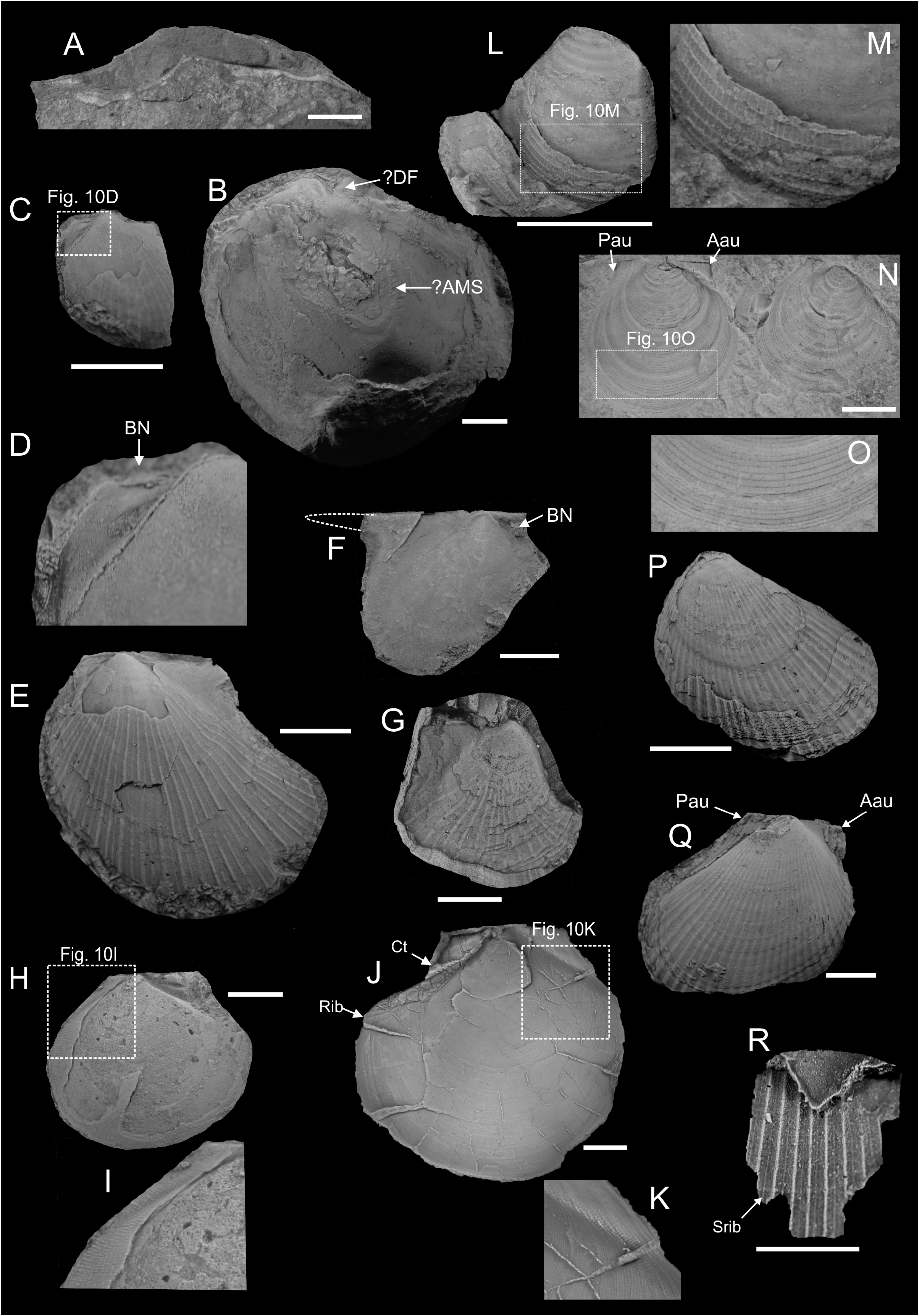
Pectinida is a taxonomic order of large and medium-sized saltwater clams, marine bivalve molluscs, commonly known as scallops and their allies. It is believed that they began evolutionarily in the late Middle Ordovician epoch; many species, of course, are still extant.
Solemyida
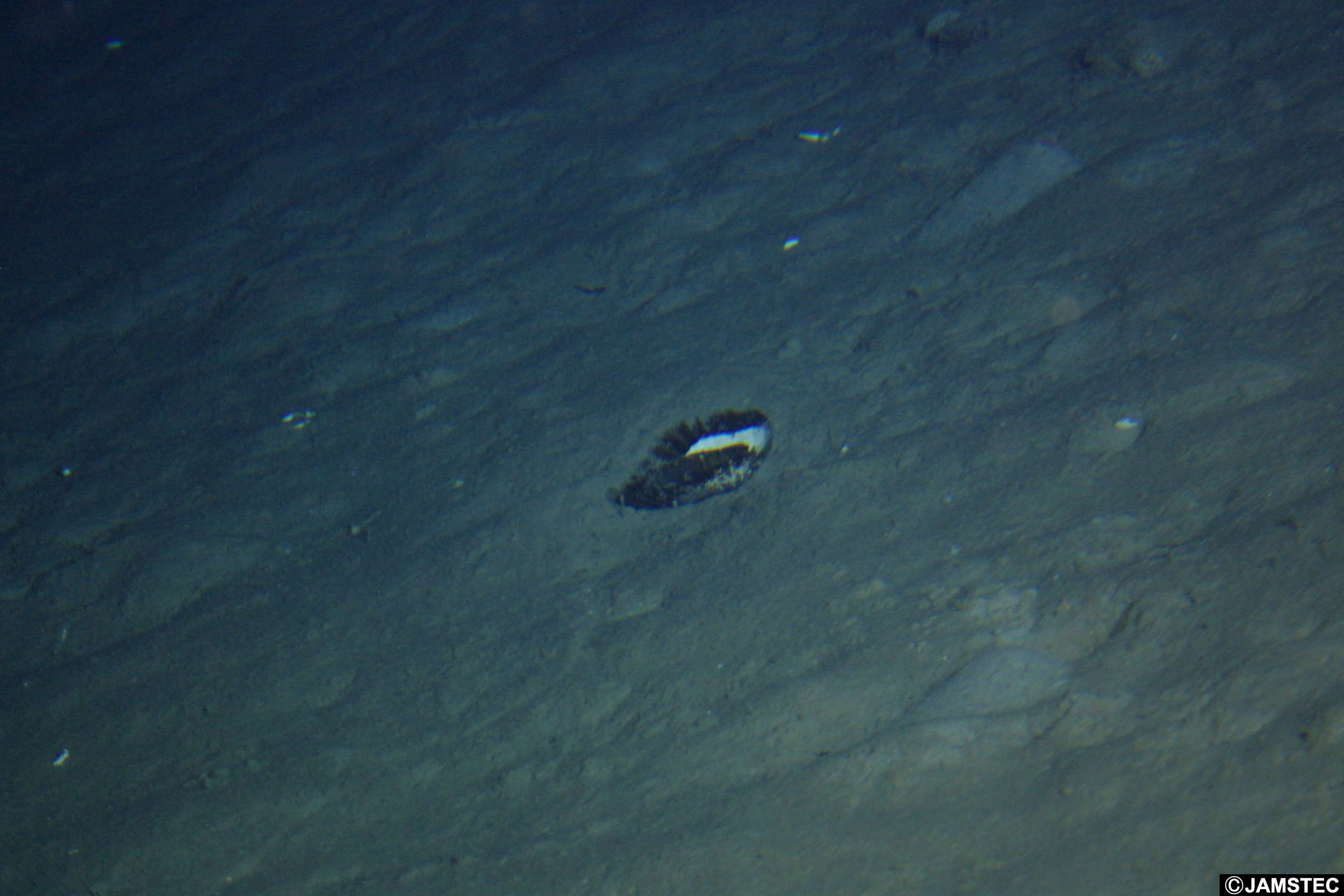
Solemyida is an order of bivalve molluscs.
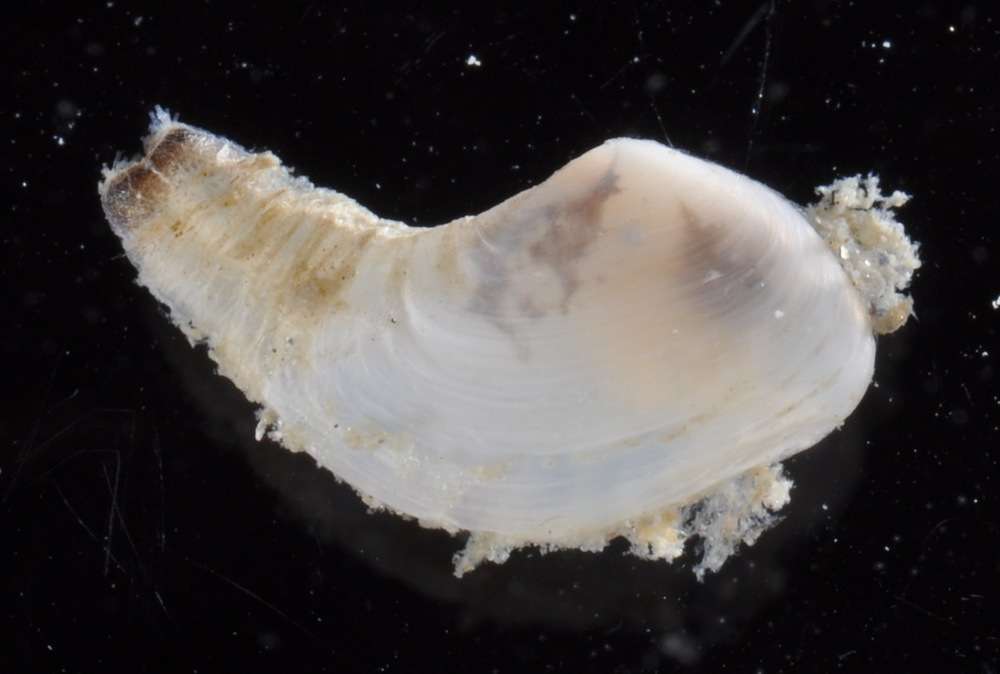
Anomalodesmata
Anomalodesmata is an superorder of saltwater clams, marine bivalve molluscs. This grouping was formerly recognised as a taxonomic subclass. It is called a superorder in the current World Register of Marine Species, despite having no orders, to parallel it with sister taxon Imparidentia, which does have orders.

Cardiida
Cardiida is an order of bivalves belonging to the class Bivalvia.
Mytilida
Mytilida is an order of marine bivalve molluscs, commonly known as true mussels. There is one extant superfamily, the Mytiloidea, with a single extant family, the Mytilidae.
Nuculanida
Nuculanida is an order of very small saltwater clams, marine bivalve molluscs in the subclass Protobranchia.
Adapedonta
Adapedonta is an order of bivalves belonging to the class Bivalvia.

Venerida
Venerida (formerly Veneroida) is an order of mostly saltwater but also some freshwater bivalve molluscs. This order includes many familiar groups such as many clams that are valued for food and a number of freshwater bivalves.
Trigoniida
Trigoniida is an order of medium-sized saltwater clams, marine bivalve molluscs. Within the fossil record the occurrence of this order is widespread, ranging from the Devonian Period to Recent.

Carditida
Carditida is an order of marine bivalve clams.

Nuculida
Nuculida is an order of small saltwater clams, marine bivalve mollusks, within the subclass Protobranchia. "Nuculida" is sometimes spelled "Nuculoida". This order contains a single superfamily, Nuculoidea, which encompasses two families, the extant Nuculidae and the extinct Praenuculidae. Clams in the family Nuculidae are commonly known as nut clams.

Lucinida
Lucinida (formerly Lucinoida) is a taxonomic order of saltwater clams, marine bivalve molluscs.
Myida
Myida (formerly Myoida) is an order of saltwater and freshwater clams, marine and freshwater bivalve molluscs in the subclass Heterodonta. The order includes such bivalves as soft-shell clams, geoducks and shipworms.

Galeommatoidea
Galeommatoidea is a superfamily of bivalves classified in the monotypic order Galeommatida.
Sphaeriida
Sphaeriida is an order of bivalves belonging to the class Bivalvia.
Modiomorphida
Modiomorphida is an extinct order of fossil saltwater clams, marine bivalve molluscs.
Limida
REDIRECT Limidae
Gastrochaenida
REDIRECT Gastrochaenidae