Category
page 1Blockchains

blockchain
A blockchain is a distributed ledger with growing lists of records (blocks) that are securely linked together via cryptographic hashes. Each block contains a cryptographic hash of the previous block, a timestamp, and transaction data (generally represented as a Merkle tree, where data nodes are represented by leaves). Since each block contains information about the previous block, they effectively form a chain (viz. linked list data structure), with each additional block linking to the ones before it. Consequently, blockchain transactions are resistant to alteration because, once recorded, the
Ethereum
thumb|262px|Monthly Ether price in US Dollar|USD
Ethereum is a decentralized blockchain with smart contract functionality. Ether (abbreviation: ETH) is the native cryptocurrency of the platform. Among cryptocurrencies, ether is second only to bitcoin in market capitalization. It is open-source software.
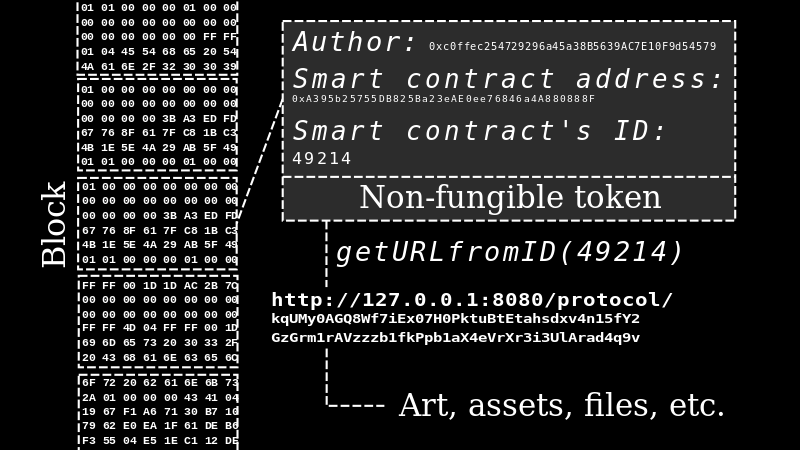
non-fungible token
unique digital asset recorded on a blockchain that cannot be replicated or exchanged on a like-for-like basis

Cardano
decentralized, open-source blockchain network that can execute peer-to-peer transactions and serve as a platform for deploying smart contracts

Odysee
Odysee is an American decentralized video hosting platform, built on the LBRY blockchain. It positions itself as an alternative to mainstream services like YouTube, but with a focus on freedom of speech and decentralization.
Web3
Web3 is an idea for a new iteration of the World Wide Web which incorporates concepts such as decentralization, blockchain technologies, tokenomics, and privacy-enhancing technologies. The term is sometimes confused with the Semantic Web, as both have sometimes been referred to as "Web 3.0". Some technologists and journalists have contrasted it with Web 2.0, in which they say user-generated content is controlled by a small group of companies referred to as Big Tech. The term "web 3.0" as applied to blockchain technology was coined in 2014 by Ethereum co-founder Gavin Wood, and the idea gained
Solana
blockchain platform
initial coin offering
cryptocurrency-based funding process
distributed ledger
store of digital data spread across multiple sites and synchronized via a consensus algorithm
decentralized autonomous organization
computer network organization model
fork
change in consensus rules of a blockchain; if contentious, can result in multiple permanent alternative chains
Tron
open-source blockchain computing platform
The Open Network
Scalable layer-1 blockchain developed by Telegram, now maintained by the open-source TON Core; designed for high-throughput smart contracts, decentralized applications, and seamless integration with Telegram

Animoca Brands
Tech company
EOS
EOS.IO is a blockchain protocol based on the cryptocurrency EOS. The smart contract platform claims to eliminate transaction fees and also conduct millions of transactions per second. It was developed by the private company Block.one and launched in 2017. The platform was later released as open-source software.
decentralized application
type of computer application
Polkadot
cryptocurrency and cross-blockchain interface that enables cross-blockchain transfers of any type of data or asset, not just tokens
Tezos
Tezos is an open-source blockchain that can execute peer-to-peer transactions and serve as a platform for deploying smart contracts. The native cryptocurrency for the Tezos blockchain is the tez (ISO 4217: XTZ; sign: ''''''). The Tezos network achieves consensus using proof-of-stake. Tezos uses an on-chain governance model that enables the protocol to be amended when upgrade proposals receive a favorable vote from the community. Its testnet was launched in June 2018, and its mainnet went live in September 2018.
blockchain game
video game that provides digital items using NFT technology

Avalanche
blockchain and cryptocurrency
Polygon
blockchain and cryptocurrency
LBRY
LBRY (pronounced "library") is a blockchain-based file-sharing and payment network that is primarily used for social networks and video platforms.
Markets in Crypto-Assets
EU regulation on the regulation of crypto assets
SBI Holdings
Parent company of the SBI group (Japanese financial conglomerate)
Urbit
Urbit is a decentralized personal server platform based on functional programming in a peer-to-peer network.
regulation of algorithms
government regulation
Stacks blockchain
open-source decentralized computing platform
Blockchain Oracle
off-blockchain source of input data for smart contracts
testnet
REDIRECT Blockchain#Testnet
L3cos
L3COS (Level 3 Consensus Operating System) is an algorithm for digitising processes based on Blockchain, which has a three-level structure and is distributed as Platform as a Service for state bodies and businesses. The algorithm is based on the blockchain, in which any decision made at any of the levels will become part of the common chain. The technology involves a three-level framework that provides national governments, businesses, and private individuals with the tools to create a digital economy that does not allow fraudulent activity, financial or otherwise.
proof of authority
is an algorithm used with blockchains that delivers comparatively fast transactions through a consensus mechanism based on identity as a stake
Terra
blockchain protocol and payment platform
blockchain as a service