Category
page 1Boletales

Boletales
The Boletales are an order of Agaricomycetes containing over 1300 species with a diverse array of fruiting body types. The boletes are the best known members of this group, and until recently, the Boletales were thought to only contain boletes. The Boletales are now known to contain distinct groups of agarics, puffballs, and other fruiting-body types.
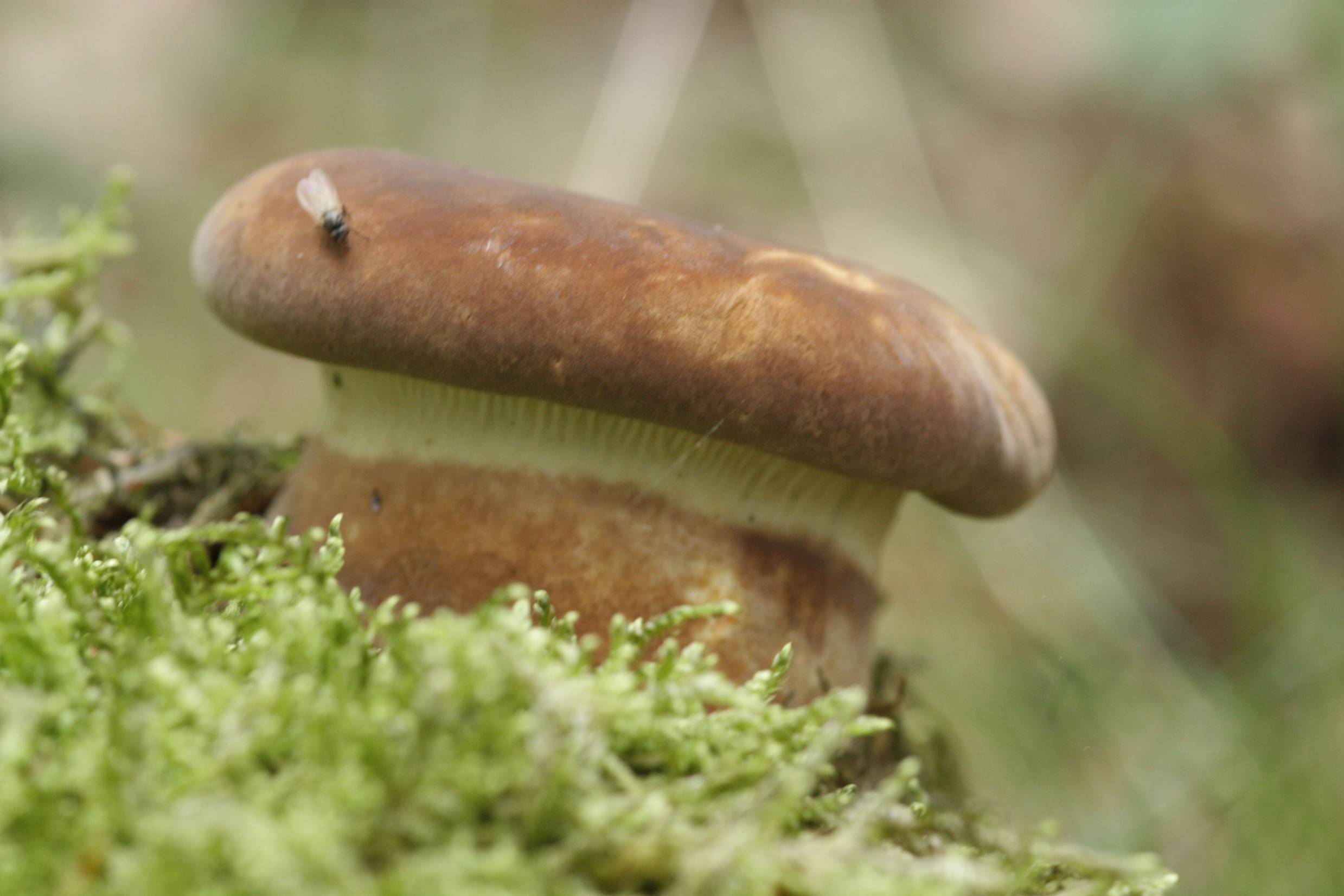
Tapinella atrotomentosa
species of fungus
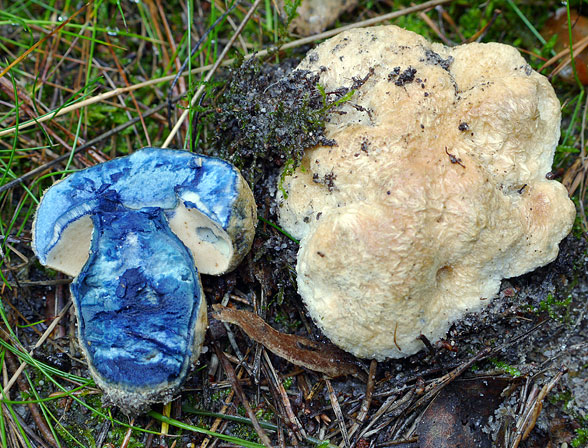
Gyroporus cyanescens
species of fungus
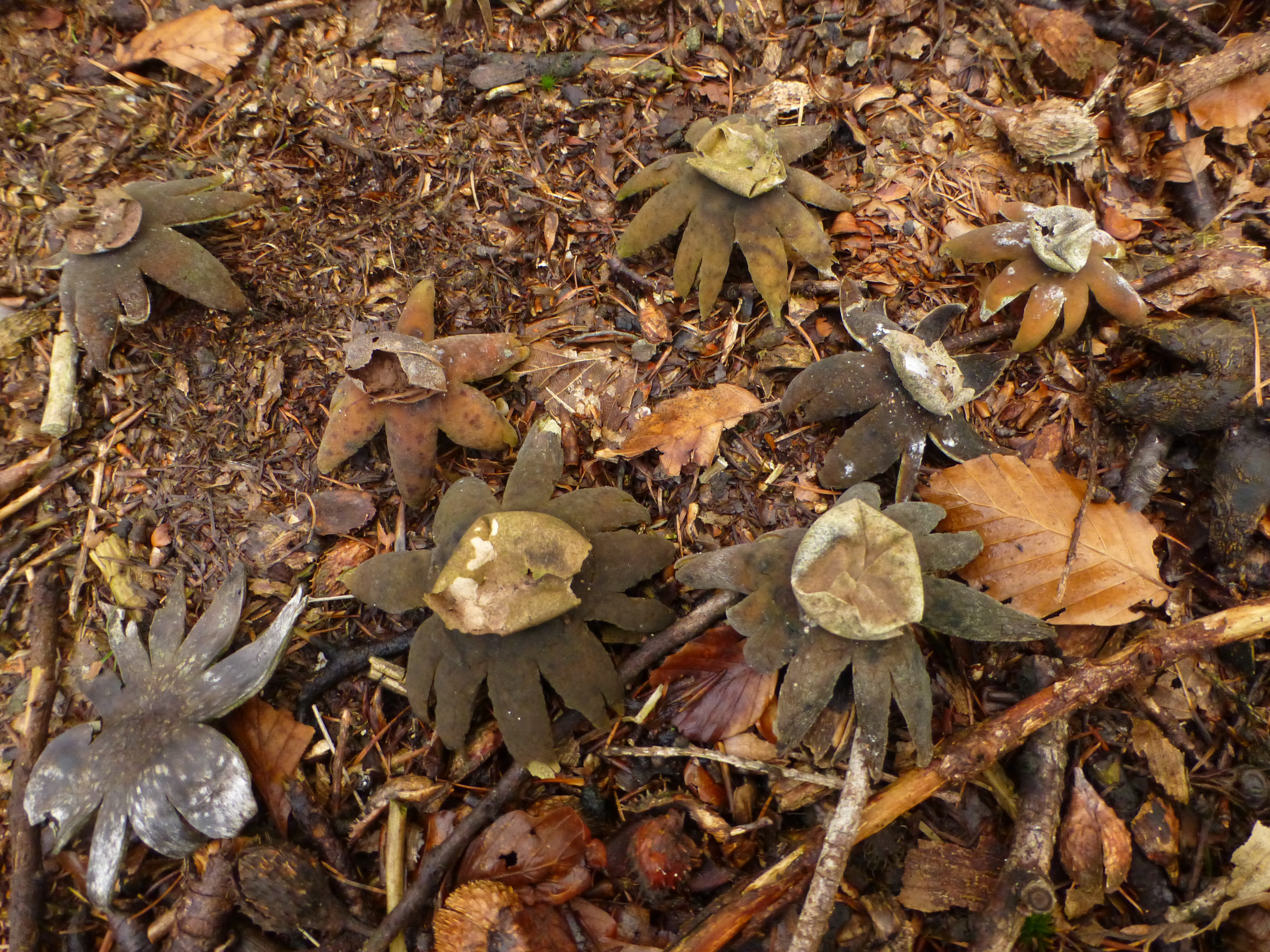
Astraeus hygrometricus
species of fungus
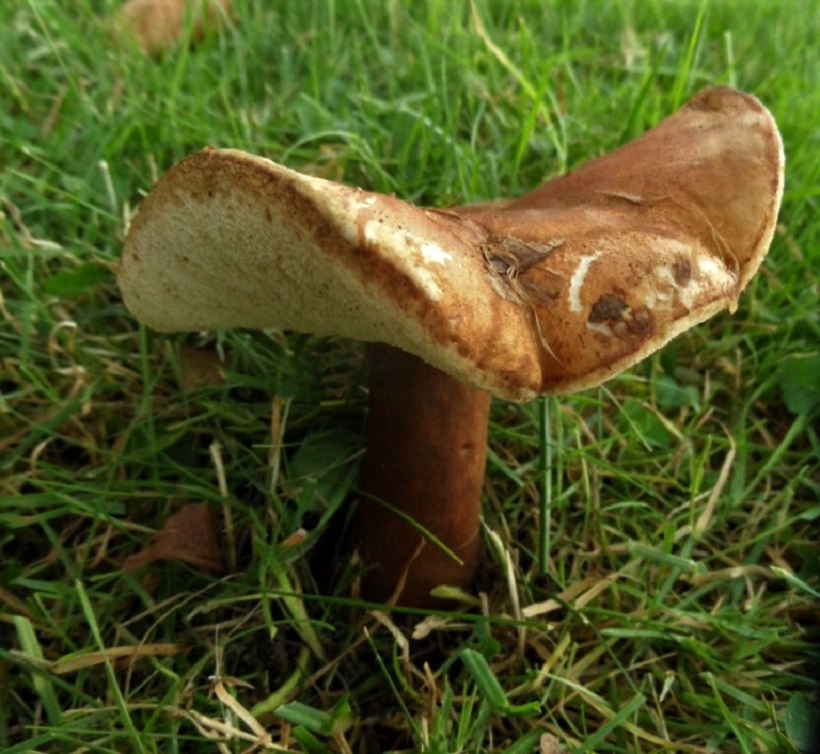
Gyroporus castaneus
species of fungus
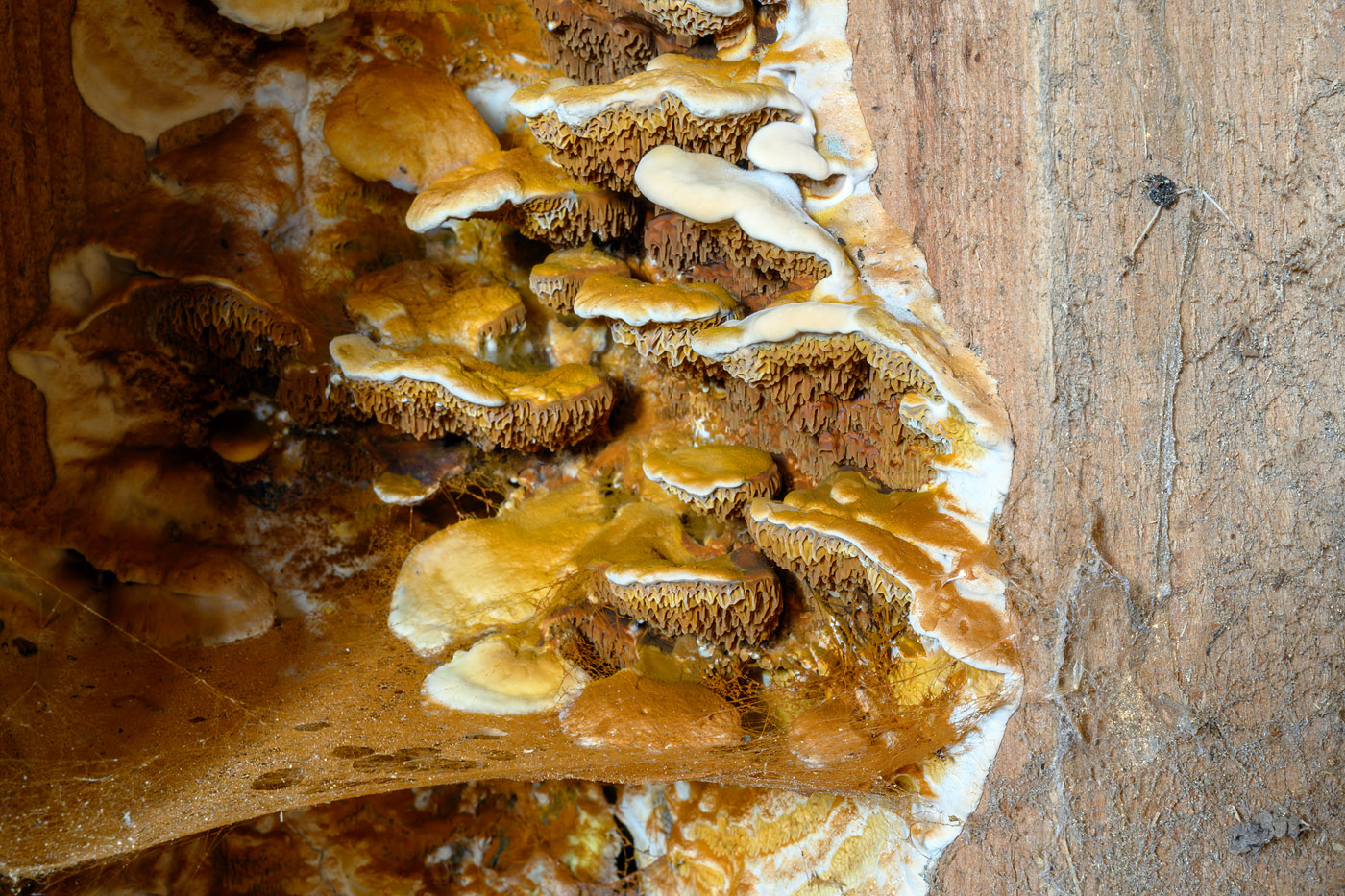
Serpula lacrymans
species of fungus

Gomphidius glutinosus
species of fungus

Gomphidius roseus
species of fungus

Gyroporus
The Gyroporaceae are a family of fungi in the order Boletales. The family is monogeneric, containing the single genus Gyroporus, which, according to a 2008 estimate, contains ten widely distributed species, though a more recent study suggested the species-level diversity to be far higher. , according to Index Fungorum and Mycobank databases, the genus had 46 species.
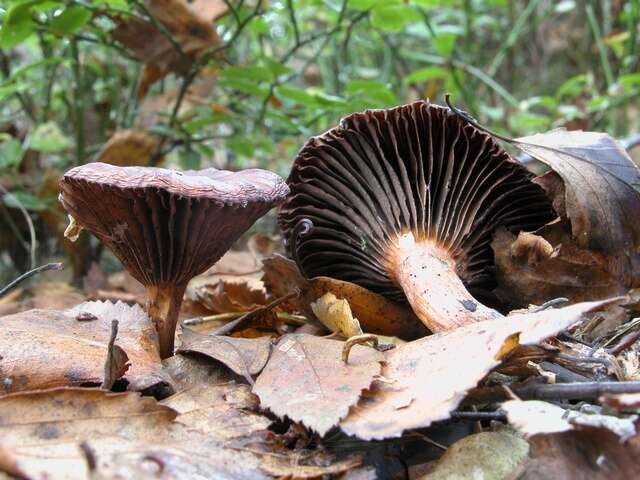
Gomphidiaceae
The Gomphidiaceae are a family of mushroom-forming fungi in the order Boletales. Unlike other boletes, all members of Gomphidiaceae (except for Gomphogaster) are agarics, having gills instead of pores. Member genera include Chroogomphus, Cystogomphus, Gomphidius and Gomphogaster, the last being a monotypic genus (i.e. with a single species) that may be incorporated into Gomphidius in the future after molecular assessment. The similarly named genus Gomphus is unrelated to this family. Another genus Brauniellula has since been sunk into Chroogomphus.
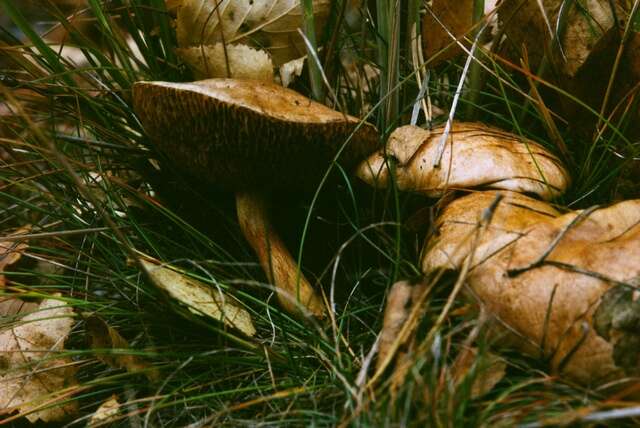
Suillaceae
The Suillaceae are a family of fungi in the order Boletales (suborder Suillineae), containing the boletus-like Suillus, the small truffle-like Truncocolumella, as well as the monotypic genus Psiloboletinus. As of 2008, there are 54 species in the family. Gastrosuillus, once considered a distinct genus, has been shown with molecular analysis to be a recent evolutionary derivative of Suillus. Fuscoboletinus, described by Pomerleau and Smith in 1962, has also been subsumed into Suillus.
%20Fr%20281102.jpg)
Gomphidius
Gomphidius is a genus of mushrooms, commonly known as spike-caps, that are members of the Boletales (suborder Suillineae), or pored fungi. They appear to have gill-like structures which resemble those of agarics, however the similarity is superficial only. The best-known member is the slimy spike-cap (Gomphidius glutinosus). The genus has a widespread distribution, especially in north temperate areas, and contains 10 species.

Gomphidius maculatus
species of fungus
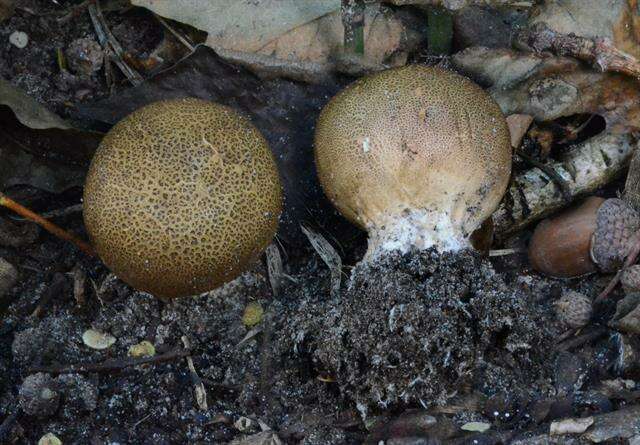
Sclerodermataceae
The Sclerodermataceae are a family of fungi in the order Boletales, containing several genera of unusual fungi that little resemble boletes. Taxa, which include species commonly known as the ‘hard-skinned puffballs’, ‘earthballs’, or 'earthstars', are widespread in both temperate and tropical regions. The best known members include the earthball Scleroderma citrinum, the dye fungus Pisolithus tinctorius and the 'prettymouths' of the genus Calostoma.

Tapinella panuoides
species of fungus

Tapinellaceae
The Tapinellaceae are a family of fungi in the order Boletales. Members of this family are: Bondarcevomyces, Pseudomerulius, and Tapinella.

Chroogomphus
Chroogomphus is a genus of fungi commonly known as pine-spikes or spike-caps, based on the shape of the mushrooms and because they often grow in association with pines. The genus is distributed throughout the Northern Hemisphere, including North America and Eurasia.
Boletinellaceae
The Boletinellaceae are a small family of mushroom-forming fungi, primarily characterized by small pores on the underside of the cap rather than gills. Though in the order Boletales, research shows they and Gyroporaceae are more closely related to earthballs of Sclerodermataceae than Boletaceae.

Serpula
genus of fungi

Melanogaster
genus of fungi
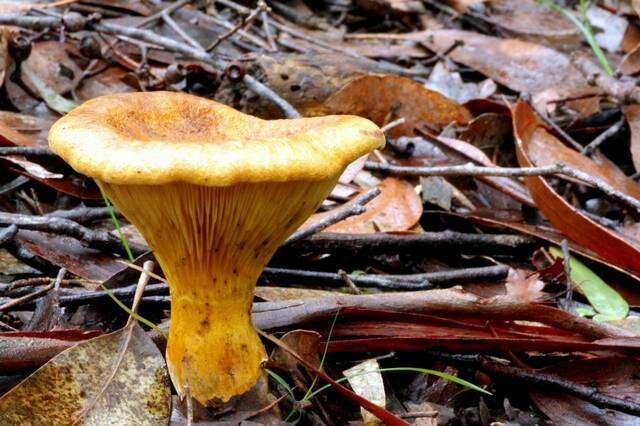
Serpulaceae
The Serpulaceae are a family of fungi in the Boletales order. According to the Dictionary of the Fungi (10th edition, 2008), the family contains 4 genera and 20 species. However, a molecular phylogenetics study showed that the genus Neopaxillus, which was formerly placed in this family, belongs in the family Crepidotaceae in the order Agaricales.
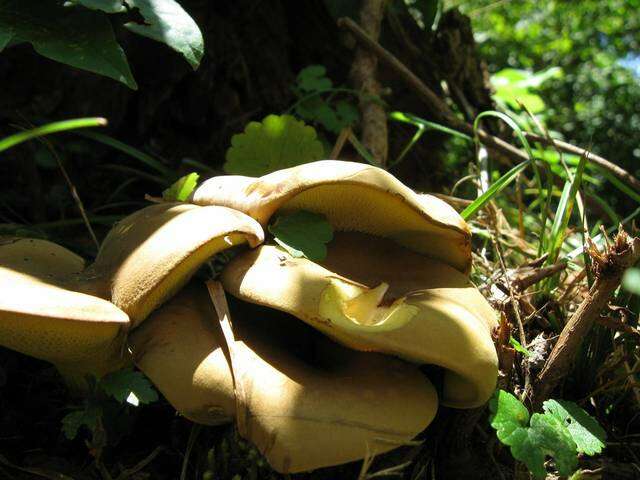
Boletinellus merulioides
species of fungus

Astraeus
genus of fungi
Tapinella
genus of fungi
Gyroporaceae
REDIRECT Gyroporus
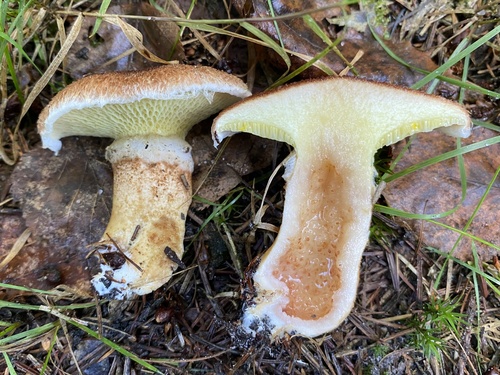
Boletinus
Boletinus is a genus of fungi belonging to the family Suillaceae.
Pseudomerulius
Pseudomerulius is a genus of fungi in the Tapinellaceae family. The genus is widespread and contains two species. P. aureus is noted as being inedible.
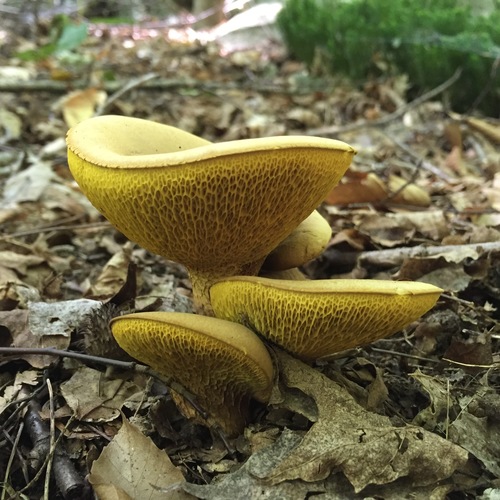
Boletinellus
Boletinellus is a genus of fungi in the family Boletinellaceae (suborder Sclerodermatineae of the Boletales). The genus was first described by American mycologist William Alphonso Murrill in 1909.
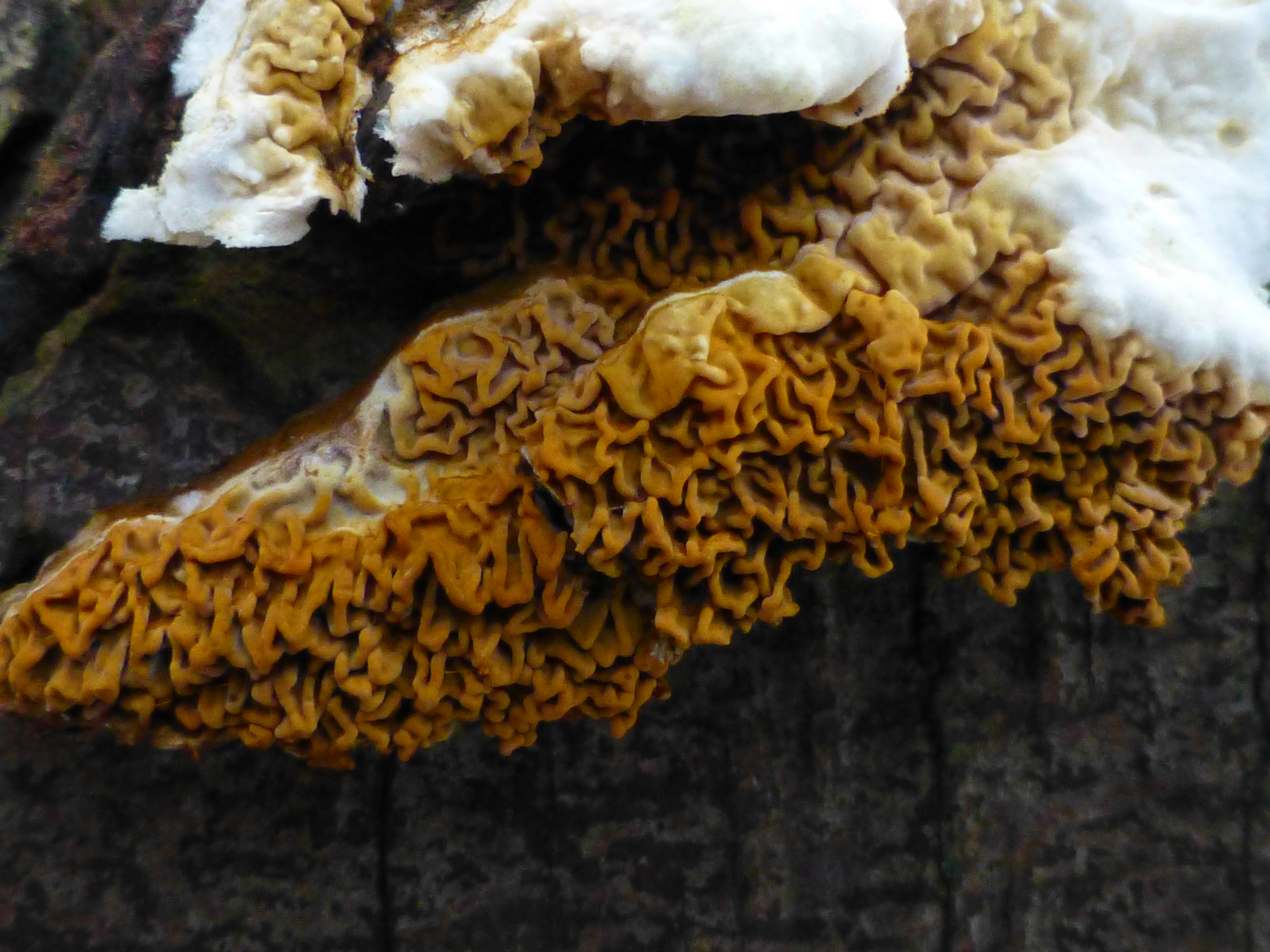
Serpula himantioides
species of fungus

Afroboletus
Afroboletus is a genus of fungi in the family Boletaceae. The genus, circumscribed in 1981, contains seven species found in tropical Africa.
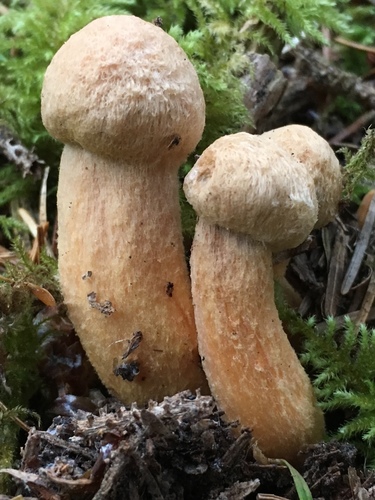
Chroogomphus tomentosus
species of fungus
Phlebopus marginatus
species of fungus
Austropaxillus
Austropaxillus is a genus of fungi in the family Serpulaceae, containing nine species found in Australia, New Zealand and South America.
Gasterellaceae
REDIRECT Gasterella
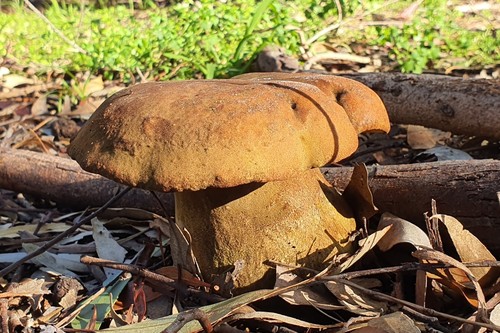
Phlebopus
Phlebopus is a genus of fungi in the family Boletinellaceae (suborder Sclerodermatineae of the Boletales order). The genus has a widespread distribution in subtropical and pantropical regions, and contains 12 species. The species are saprobic, with some possibly able to form mycorrhizae with exotic trees in certain conditions. It contains the gigantic Phlebopus marginatus, the cap of which can reach in diameter.
bolete
227x227px|The porcini, Boletus edulis, showing the solid looking, spongy bottom surface, which is the defining characteristic of boletes.|alt=A bolete, Boletus edulis, showing the solid looking, spongy bottom surface, which is the defining characteristic of boletes.|thumb
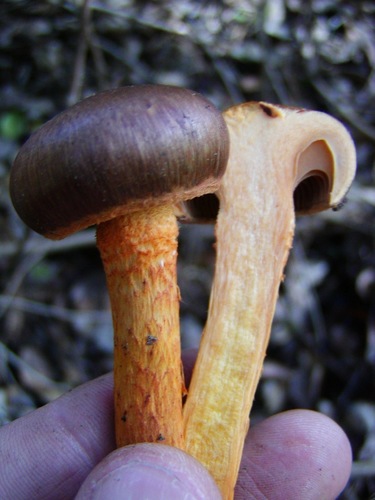
Chroogomphus vinicolor
species of fungus
Melanogastraceae
Melanogastraceae is a family of fungi in the order Boletales.
Protogastraceae
REDIRECT Protogaster

Psiloboletinus lariceti
Psiloboletinus is a fungal genus in the family Suillaceae. This is a monotypic genus, containing the single species Psiloboletinus lariceti, first described by mycologist Rolf Singer in 1938 as a species of Phylloporus. Alexander H. Smith disagreed with Singer's generic concept, concluding "No matter what disposition of the type species of Psiloboletinus is eventually made, it is evident that there are no clearly distinctive characters on which to recognize the genus on the basis of Singer's descriptions."

Truncocolumella
Truncocolumella is a genus of fungi in the family Suillaceae, of the order Boletales. It was circumscribed by American mycologist Sanford Myron Zeller in 1939.
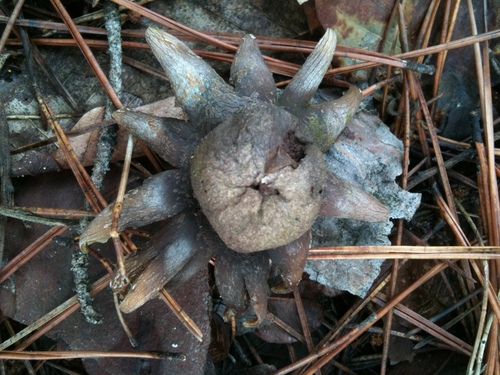
Astraeus koreanus
species of fungus

Tremellogaster
Tremellogaster is a fungal genus in the Diplocystaceae family. A monotypic genus, it contains the single species Tremellogaster surinamensis, known from Suriname and Guyana.
Astraeus odoratus
species of fungus
Bondarcevomyces
Bondarcevomyces is a genus of fungus in the Tapinellaceae family. It is a monotypic genus, containing the single species Bondarcevomyces taxi, found in Asia. The species was originally described as Polyporus taxi by Appolinaris Semyonovich Bondartsev (or Apollinari Semjonowitsch Bondarzew) in 1940, and was transferred to the genera Hapalopilus, Tyromyces, and Parmastomyces before being made the type of the newly created Bondarcevomyces, published in Mycotaxon Vol.70 on page 219 in 1999.
Sclerodermatineae
Sclerodermatineae is a suborder of the fungal order Boletales. Circumscribed in 2002 by mycologists Manfred Binder and Andreas Bresinsky, it contains nine genera and about 80 species. The suborder contains a diverse assemblage fruit body morphologies, including boletes, gasteroid forms, earthstars (genus Astraeus), and puffballs. Most species are ectomycorrhizal, although the ecological role of some species is not known with certainty. The suborder is thought to have originated in the late Cretaceous (145–66 Ma) in Asia and North America, and the major genera diversified around the mid Ce
Austropaxillus infundibuliformis
species of fungus
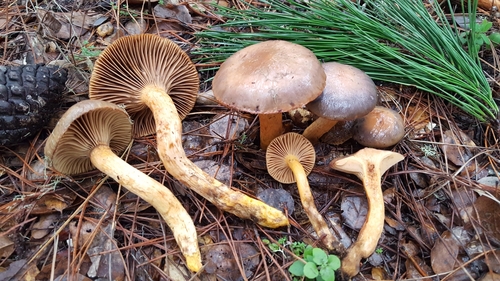
Chroogomphus ochraceus
species of fungus
Gyroporus brunneofloccosus
species of fungus
Gymnopaxillus
Gymnopaxillus is a genus of fungi in the family Serpulaceae. According to the Dictionary of the Fungi (10th edition, 2008), the family contains four species found in temperate South America and Australia. Gymnopaxillus was circumscribed by mycologist Egon Horak in 1966 with G. morchelliformis as the type species. G. crubensis, described from Argentina, was added in 1989, while the Australasian species G. nudus and
G. vestitus were added to the genus in 2001.

Gasterella luteophila
species of fungus

Gomphidius pseudoflavipes
species of fungus

Gomphidius borealis
species of fungus
Astraeus sirindhorniae
species of fungus

Boletinellus monticola
species of fungus
Meruliporia incrassata
species of fungus
Chrysoconia
Chrysoconia is a genus of fungi within the Coniophoraceae family. This is a monotypic genus, containing the single species Chrysoconia orthospora, found in Lake Union, Washington.
Diplocystis
Diplocystis is a genus of fungi in the Diplocystaceae family. The single species in the genus, Diplocystis wrightii, has been shown using phylogenetic analysis to be a member of the Sclerodermatineae suborder of the Boletales. The species was originally described in 1869 by Miles Joseph Berkeley and Moses Ashley Curtis, from specimens collected in the Caribbean.