Category
page 1Bolsheviks
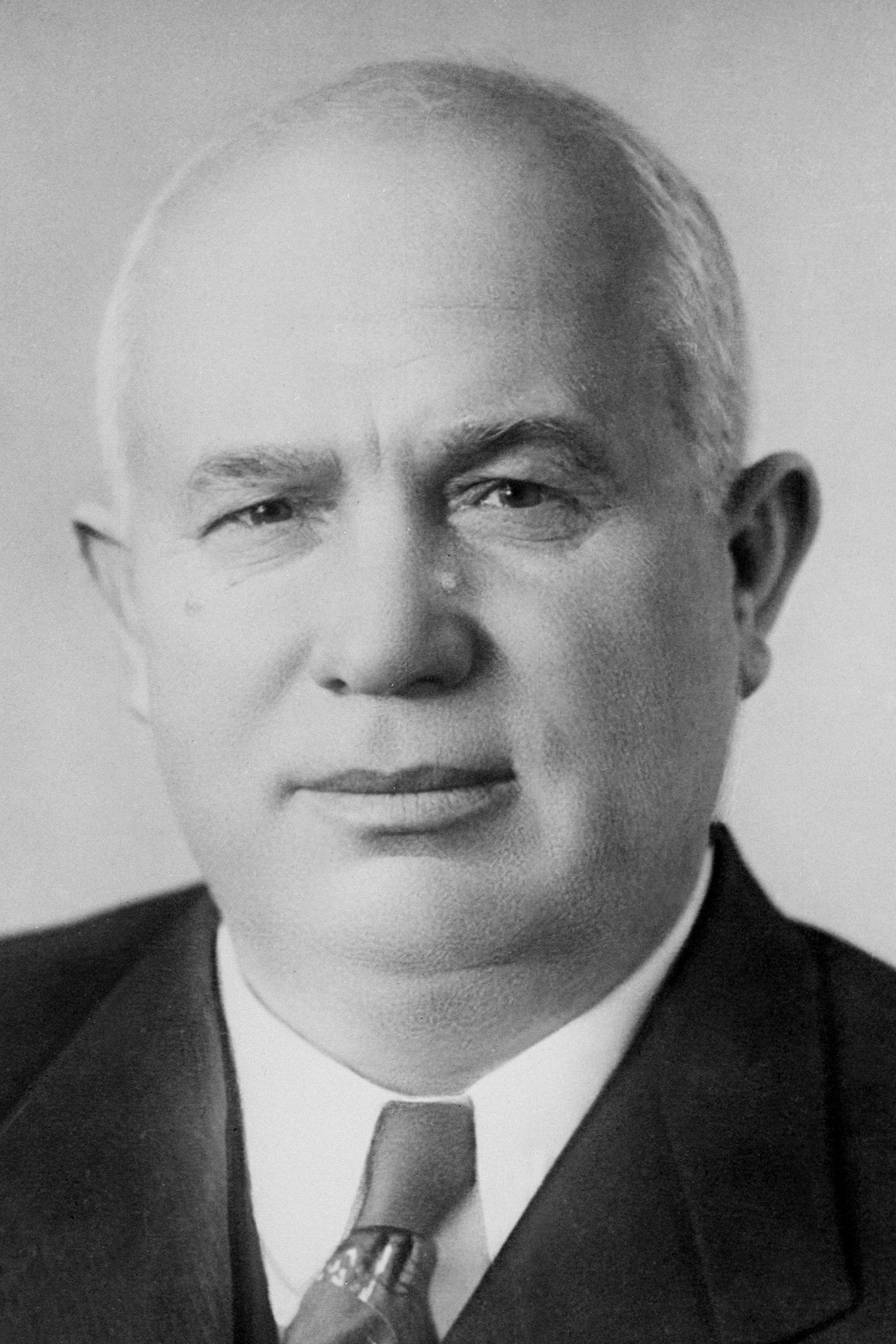
Nikita Khrushchev
leader of the Soviet Union from 1953 to 1964
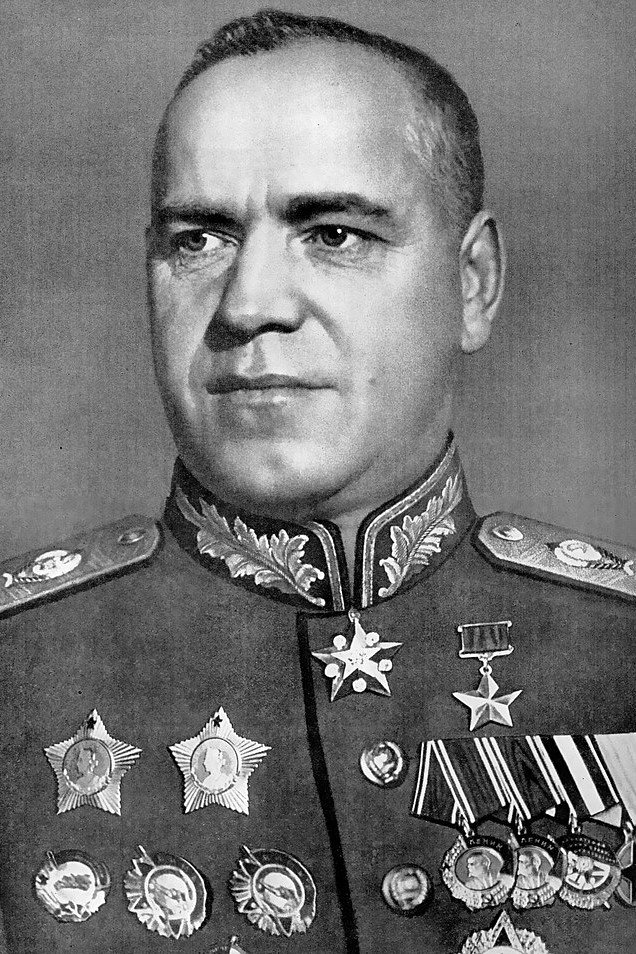
Georgy Zhukov
Marshal of the Soviet Union (1896-1974)

Bolsheviks
The Bolsheviks, led by Vladimir Lenin, were a radical faction of the Marxist Russian Social Democratic Labour Party (RSDLP) which split with the Mensheviks at the Second Party Congress in 1903. The Bolshevik party, formally established in 1912, seized power in Russia in the October Revolution of 1917 and was later renamed the Russian Communist Party, All-Union Communist Party, and ultimately the Communist Party of the Soviet Union. Its ideology, based on Leninist and later Marxist–Leninist principles, became known as Bolshevism.

Henri Barbusse
French author (1873-1935)

Georgy Malenkov
Soviet politician (1902–1988)
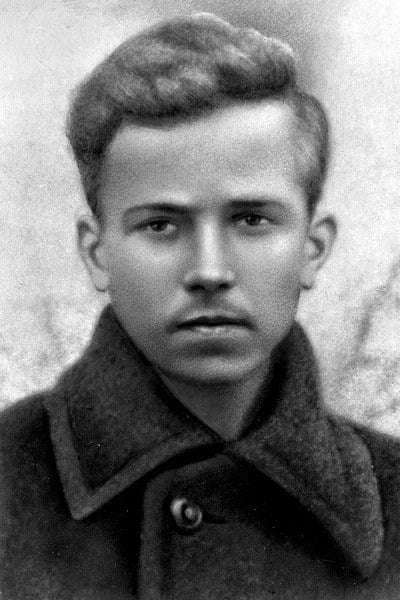
Nikolai Ostrovsky
Ukrainian-Russian writer (1904-1936)

Mikhail Tukhachevsky
Marshal of the Soviet Union (1893—1937)

Semyon Budyonny
Soviet marshal (1883-1973)

Semyon Timoshenko
Soviet military commander (1895-1970)

Mikhail Suslov
Soviet-era statesman (1902-1982)

Georgy Chicherin
Marxist revolutionary and Soviet politician (1872-1936)

Vsevolod Meyerhold
Russian theatre director (1874–1940)

Bolshevik Island
island in Russia

Andrey Vyshinsky
Soviet politician, jurist and diplomat (1883-1954)

Nikolai Vatutin
Soviet general

Sergey Ilyushin
Soviet aircraft engineer and aeroplanes designer (1894–1977)

Alexander Fadeyev
Soviet writer and politician (1901-1956)

Andrey Yeryomenko
Marshal of the Soviet Union (1892-1970)

Alexander Ilyich Yegorov
Marshal of the Soviet Union (1883-1939)

Filipp Golikov
Soviet marshal (1900-1980)
Nikolay Gerasimovich Kuznetsov
Soviet admiral (1904–1974)

Arkady Gaidar
Soviet children's writer (1904–1941)

bolshevism
Bolshevism (derived from Bolshevik) is a revolutionary socialist current of Soviet Leninist and later Marxist–Leninist political thought and political regime associated with the formation of a rigidly centralized, cohesive and disciplined party of social revolution, focused on overthrowing the existing capitalist state system, seizing power and establishing the "dictatorship of the proletariat".

Grigory Kulik
Marshal of the Soviet Union (1890–1950)

Angelica Balabanoff
Russian-Jewish-Italian dissident writer, social activist, politician, editor

Hamza Hakimzade Niyazi
Uzbek screenwriter and poet (1889-1929)

Konstantin Fedin
Russian-Soviet writer and poet (1892-1977)

Pavel Bazhov
writer (1879-1950)

Nikolay Voronov
Soviet marshal (1899–1968)
Dmitry Furmanov
Russian writer (1891-1926)

Mirsaid Sultan-Galiev
Soviet politician (1892-1940)
Alexander Serafimovich
Russian and Soviet writer (1863–1949)
Nariman Narimanov
Azerbaijani Soviet politician, writer and physician (1870-1925)
Ivan Maisky
Soviet diplomat (1884-1975)
Mikhail Kirponos
Soviet general (1892-1941)
Mikhail Isakovsky
Russian poet (1900-1973)
Ernst Reuter
German mayor of West Berlin (1889–1953)
Markian Popov
Soviet general (1902-1969)
Karol Świerczewski
Polish general (1897-1947)
Maksim Purkayev
Soviet general (1894–1953)
Sofya Yanovskaya
Russian mathematician (1896–1966)
Sydir Kovpak
Soviet general (1887–1967)
Yevgeny Polivanov
Soviet linguist and orientalist (1891–1938)
Ivan Tyulenev
Soviet general (1892-1978)
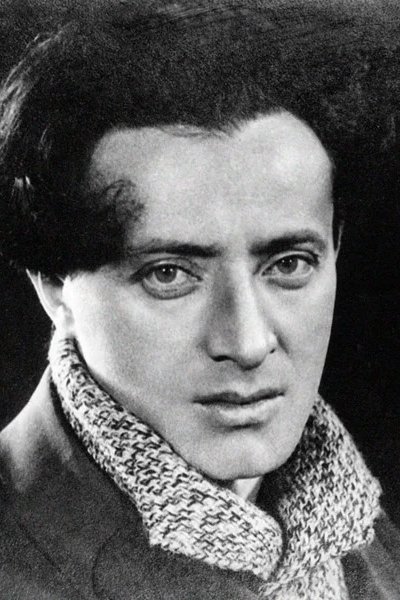
Fridrikh Ermler
Soviet film director (1898–1967)
Grigori Shtern
Soviet general (1900–1941)
Vasily Gordov
Soviet colonel general (1896–1950)
Ahmet Baitursynuly
Kazakh intellectual (1872-1937)
Ivan Yefimovich Petrov
Soviet general (1896-1958)
Vladimir Dekanozov
Soviet diplomat (1898-1953)

Mikhail Koltsov
Soviet journalist (1898–1940)
Larisa Reisner
Russian writer, editor (1895–1926)
Mirjafar Baghirov
Azerbaijani Soviet politician (1895-1956)
Pavel Kurochkin
Soviet general and politician (1900-1989)
Sergei Khudyakov
Soviet Marshal of Aviation (1902-1950)
Walter Krivitsky
Soviet spy (1899-1941)

Yan Karlovich Berzin
Russian politician and diplomat (1889-1938)
Vladimir Triandafillov
Soviet military commander and theoretician (1894-1931)
Akmal Ikramov
politician (1898-1938)
Anastasia Bitsenko
politician (1875–1938)