Category
page 1Book of Numbers

Book of Numbers
fourth book of Bible
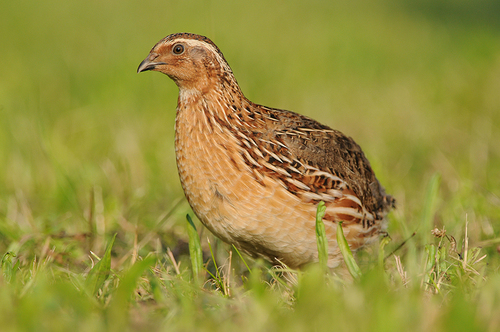
Common Quail
species of bird

manna
upright=1.35|thumb|The Gathering of the Manna by James Tissot
Nazirite
In the Hebrew Bible, a nazirite or a nazarite ( Nāzīr) is an Israelite man or woman who voluntarily took a vow which is described in . This vow required the nazirite to:

Nehushtan
In the biblical Books of Kings (2 Kings 18:4; written c. 550 BC), the Nehushtan (; ) is the bronze image of a serpent on a pole. The image is described in the Book of Numbers, where Yahweh instructed Moses to erect it so that the Israelites who saw it would be cured and be protected from dying from the bites of the "fiery serpents", which Yahweh had sent to punish them for speaking against him and Moses ().
Priestly Blessing
Hebrew prayer recited by Kohanim based on Numbers 6:23–27
Balaam and the Ass
painting by Rembrandt
ordeal of the bitter water
trial by ordeal administered to the wife whose husband suspected her of adultery but who had no witnesses to make a formal case
Book of the Wars of the Lord
lost book mentioned in Numbers 21:14–15; perhaps a collection of victory songs or poems
Numbers 31
thirty-first chapter of Numbers in the Hebrew and Christian Bible
Pillar of Cloud
one of the manifestations of the presence of Yahweh in the Torah
Pi-hahiroth
Pi-HaHiroth ( Pī haḤīrōṯ), is the fourth station of the Exodus mentioned in . The fifth and sixth stations Marah and Elim are located on the Red Sea. The biblical books Exodus and Numbers refer to Pi-HaHiroth as the place where the Israelites encamped between Migdol and the sea, opposite Baal Zephon, while awaiting an attack by the Pharaoh, prior to crossing the Red Sea.
Stations of the Exodus
passage about 42 locations visited by Israelites after leaving Egypt, found in Numbers 33 and also in Exodus and Deuteronomy; originally a separate document according to the documentary hypothesis
Sifre
Sifre (; siphrēy, Sifre, Sifrei, also, Sifre debe Rab or Sifre Rabbah) refers to either of two works of Midrash halakha, or classical Jewish legal biblical exegesis, based on the biblical books of Numbers and Deuteronomy.
Ketef Hinnom scrolls
archaeological artefact
Bamidbar
Bamidbar (בַּמִּדְבָּר) is a Hebrew word, which is the fifth word of the Book of Numbers, the fourth book of the Torah (the first five books of the Tanakh, or Hebrew Bible). It means "In the wilderness", or "In the desert", ba midbar.