Category
page 1Bourgeoisie

bourgeoisie
thumb|La sortie du bourgeois, painted by Jean Béraud (1889)
The bourgeoisie are a class of business owners, merchants and wealthy people, in general, which emerged in the Late Middle Ages, originally as a "middle class" between the peasantry and aristocracy. They are traditionally contrasted with the proletariat by their wealth, political power, and education, as well as their access to and control of cultural, social, and financial capital.
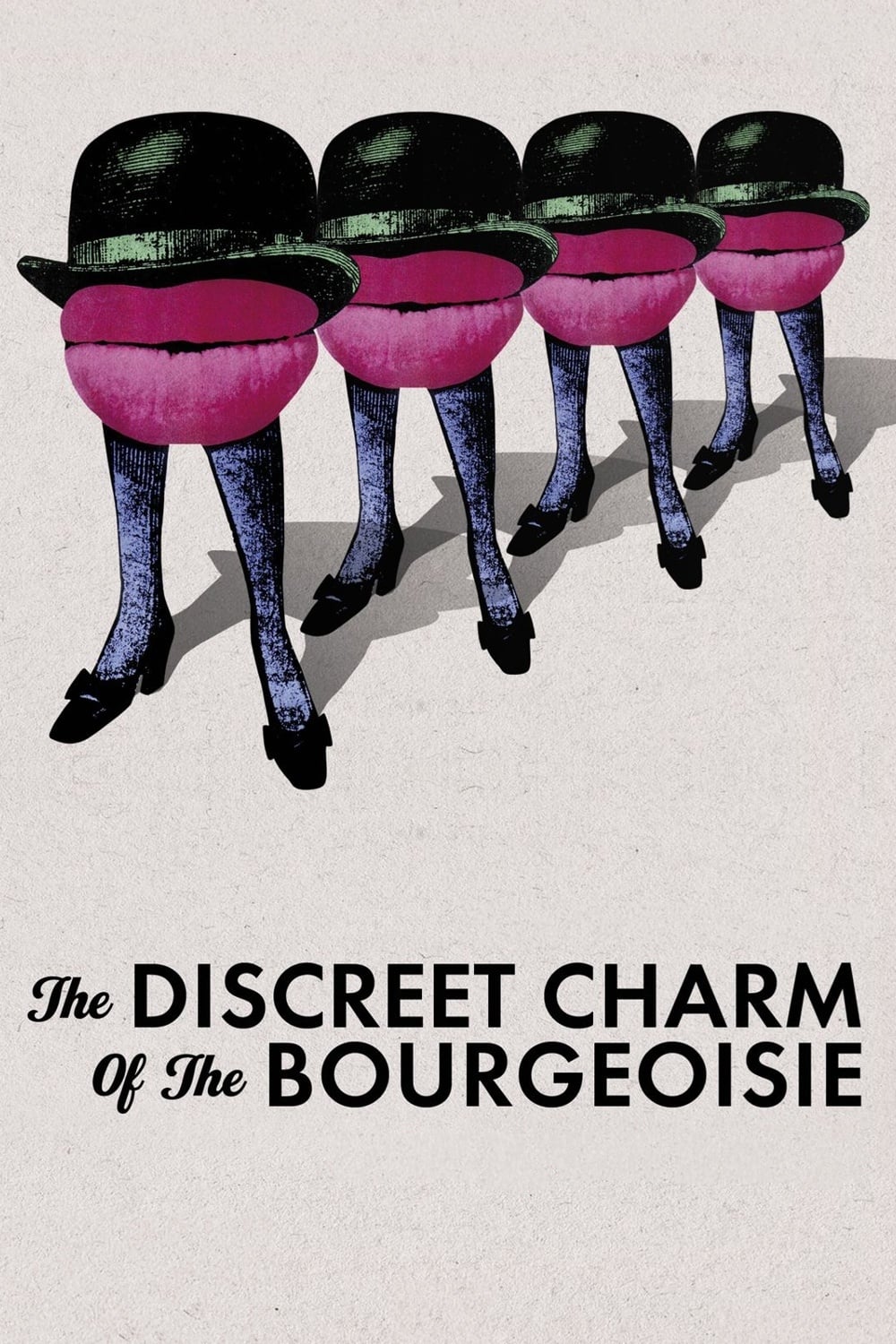
The Discreet Charm of the Bourgeoisie
1972 film by Luis Buñuel
petite bourgeoisie
social class
Le Bourgeois gentilhomme
comédie-ballet by Molière
Bourgeois revolution
Marxist historiographical term
burgher
group in a society, a class
Burgher people
Sri Lankan ethnic group
Gallery of Beauties
19th century German portrait collection
Prussian virtues
ethical code associated with Prussian society
Capitalist roader
Maoist term for people or groups within socialist revolutionary circles who would attempt to return to capitalism
bourgeois nationalism
nationalism of the ruling class under capitalism
bourgeois tragedy
Five form of tragedy and comedy

Fliegende Blätter
periodical literature, 1844-1944
new class
polemic term for the ruling class of Soviet-type states
Bildungsbürgertum
thumb|The class defined itself more on the basis of education than material possessions and thus great emphasis was laid upon the education of children.
1852 United Kingdom general election
watershed election in the UK
bourgeois socialism
political ideology
bourgeois-bohème
subculture in Western cultures
bourgeois Liberalization
term in Communist Chinese political ideology
Lumpenbourgeoisie
Lumpenbourgeoisie is a term used in colonial sociology to describe members of the middle class and upper class (merchants, lawyers, industrialists, etc.) who have little collective self-awareness or economic base and who support the colonial masters. It is often attributed to Andre Gunder Frank in 1972, although the term is already present in several texts by Lukács (1943), Koestler (1945), C. Wright Mills (1951) and also in Paul Baran's The Political Economy of Growth (1957). Nonetheless, the term was popularized by Frank's book Lumpenbourgeoisie and Lumpendevelopment: Dependency, Class and P
Art nouveau in Milan
burgher arms
coats of arms of non-nobles
bourgeois party
political party type
Poorter
thumb|Kruispoort, one of the four remaining gates of Bruges, Belgium
Burghess
medieval, early modern European title of a citizen of a town, and a social class from which city officials could be drawn