Category
page 1Boxer Rebellion

Boxer Rebellion
anti-imperialist uprising which took place in China 1899-1901
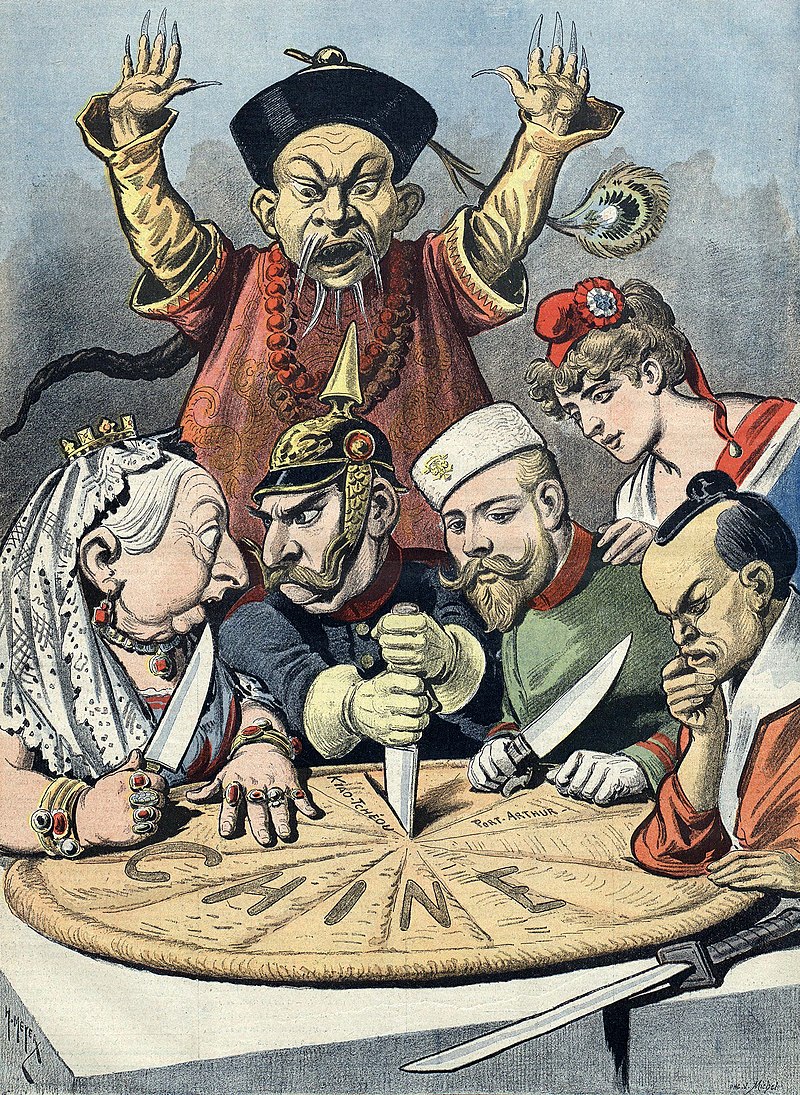
unequal treaties
series of treaties signed by China, Japan, or Korea with Western powers or Japan during the 19th and early 20th centuries
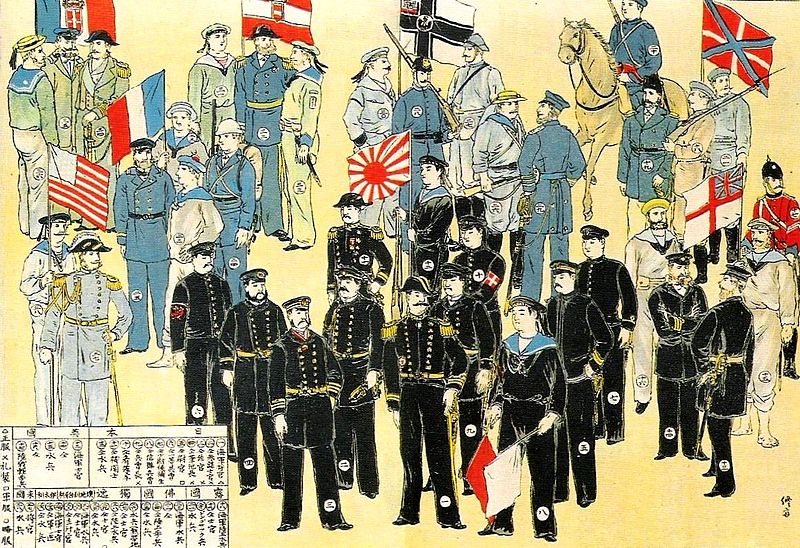
Eight-Nation Alliance
multinational military coalition that invaded northern China
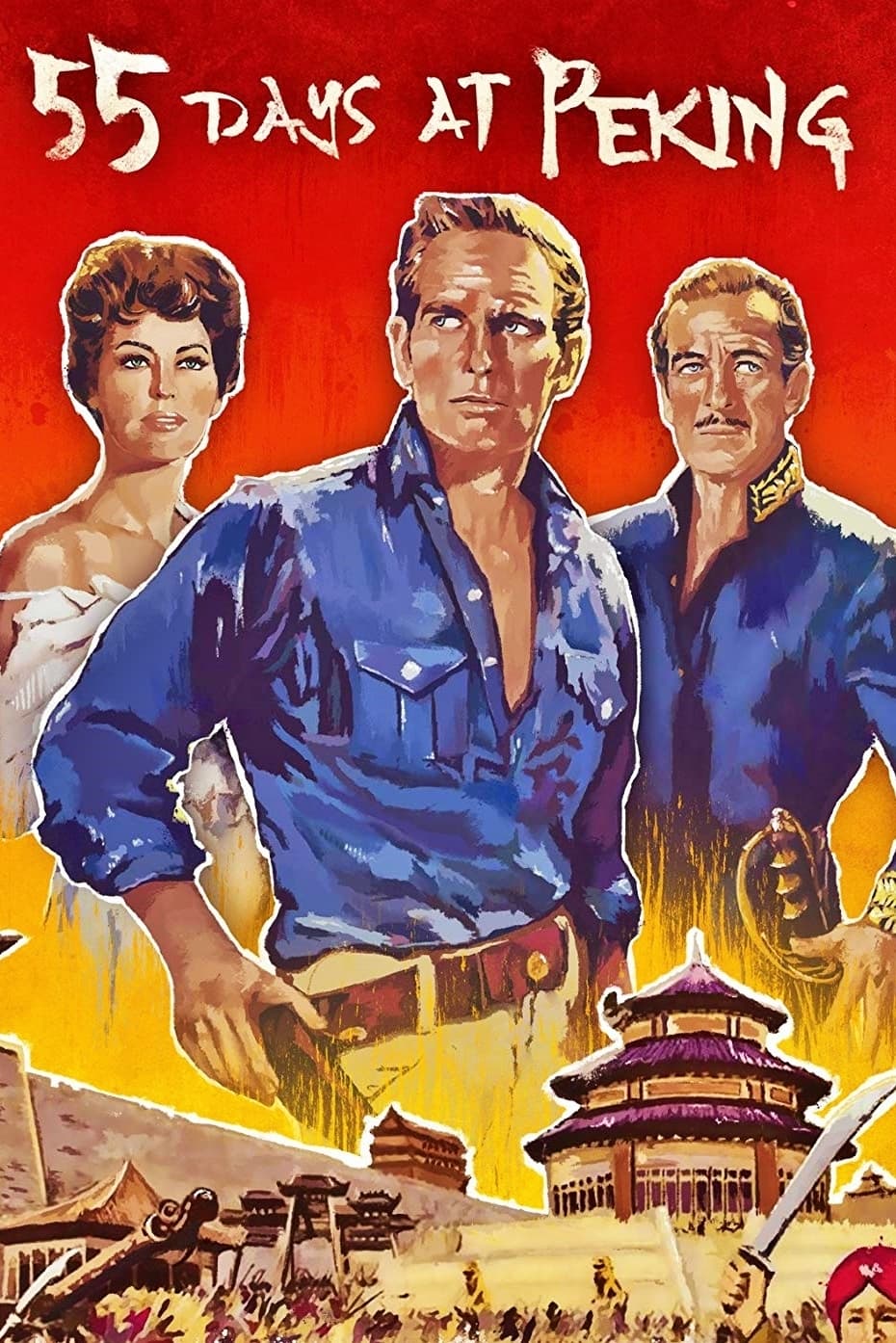
55 Days at Peking
1963 historical war film directed by Nicholas Ray
Hundred Days' Reform
reform movementin China in 1898
Boxer Protocol
Diplomatic protocol, final agreement between China and eleven countries on compensation for the 1900 riots
Yìhéquán
Chinese secret society, 1880s to 1901
Taku Forts
fortress in China
Attack on a China Mission
1900 film by James Williamson
.jpg)
Aigun
thumb|Aigou (Aigun) shown as one of the few towns on the Amur, and one of the most important places in the region, on a 1706 French map
Aigun (; Manchu: aihūn; ) was a historic Chinese town in northern Manchuria, situated on the right bank of the Amur River, some south (downstream) from the central urban area of Heihe (which is across the Amur from the mouth of the Zeya River and Blagoveschensk).
Hun speech
1900 speech by Wilhelm II
SMS Weissenburg
1891 Brandenburg-class battleship
SMS Kurfürst Friedrich Wilhelm
1891 Brandenburg-class battleship

Gweilo
Gweilo or '''''' (, pronounced ) is a common Cantonese slang term for white people. The term can be literally translated as "ghoul man" or "devil man" and has a history of racially deprecatory and pejorative use, though its modern usage is often in a general and non-derogatory context. The appropriateness of the term and whether it constitutes as an offensive ethnic slur are disputed among both Cantonese speakers and Westerners.

Bandenbekämpfung
thumb|250px|Heinrich Himmler's report Number 51 from 1 October 1942 to 1 December 1942 detailing the murder of "bandits" and Jews in [[Southern Russia, Ukraine, and the Bialystok District]]
In German military history, ' (), also referred to as Nazi security warfare' during World War II, refers to the concept and military doctrine of countering resistance or insurrection in the rear area during wartime with extreme brutality. The doctrine provided a rationale for disregarding the established laws of war and for targeting any number of groups, from armed guerrillas to civilians, as "bandits" or
Mutual Protection of Southeast China
agreement made during the 1900 Boxer Uprising among governors of the provinces in southern, eastern and central China
Beijing Legation Quarter
area in Beijing, China where a number of foreign legations were located between 1861 and 1959
Sai Jinhua
Chinese courtesan (1872–1936)
Big Swords Society
Group of Chinese peasants
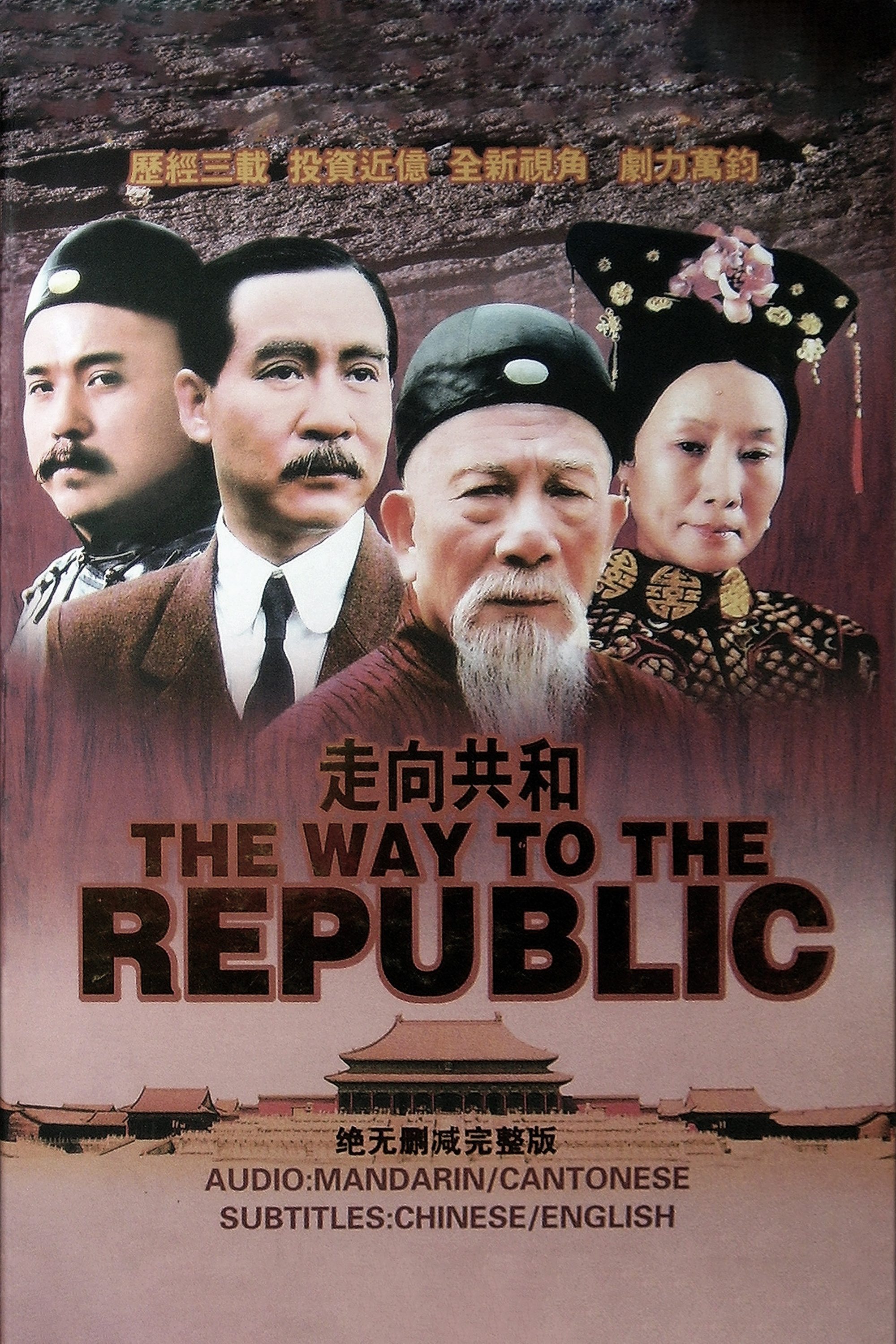
Towards the Republic
2003 Chinese TV series
Hanyang Arsenal
Chinese military factory

Imperial Decree of declaration of war against foreign powers
Qing dynasty edict against Western imperialism in China
1900 Amur anti-Chinese pogroms
1900 pogroms of ethnic Chinese in and near Blagoveshchensk, Russian Empire
Cao Futian
Chinese nationalist and leader of the Boxers during the Boxer Uprising
Great Wall of China hoax
1899 faked newspaper story
Boxer Indemnity Scholarship Program
scholarship for Chinese students to be educated in the US

Letters Which Never Reached Him
1925 film by Frederic Zelnik