Category
page 1Branchiopoda

Branchiopoda
Branchiopoda (from Ancient Greek βράγχια (bránkhia), meaning "gill", and πούς (poús), meaning "foot") is a class of crustaceans. It comprises fairy shrimp, clam shrimp, Diplostraca (or Cladocera), Notostraca, the Devonian Lepidocaris and possibly the Cambrian Rehbachiella. They are mostly small, freshwater animals that feed on plankton and detritus.

Conchostraca
subclass of crustaceans
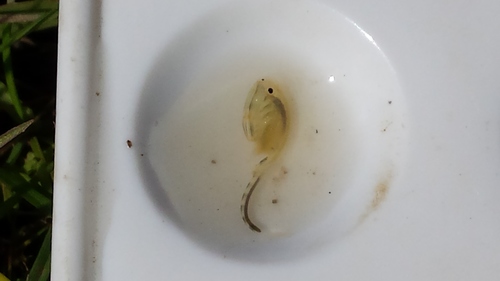
Branchinecta lynchi
species of crustacean
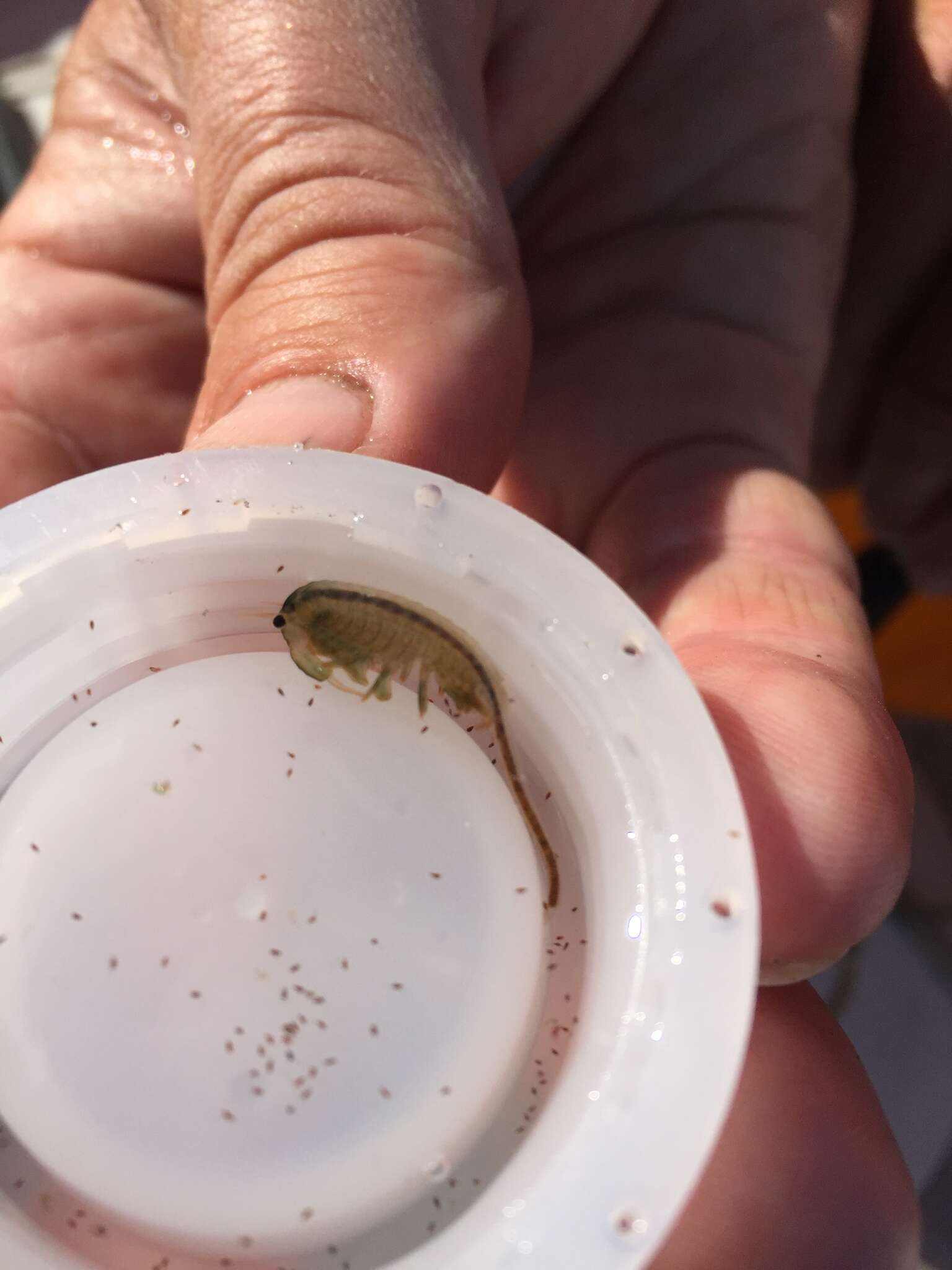
Branchinecta paludosa
species of crustacean
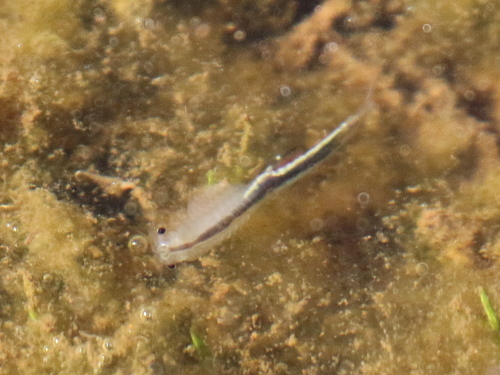
Branchinecta sandiegonensis
species of crustacean
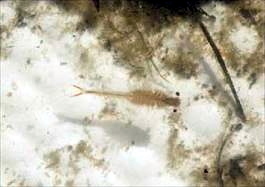
Streptocephalus woottoni
species of crustacean

Branchinecta gigas
species of crustacean
Branchinecta longiantenna
species of crustacean
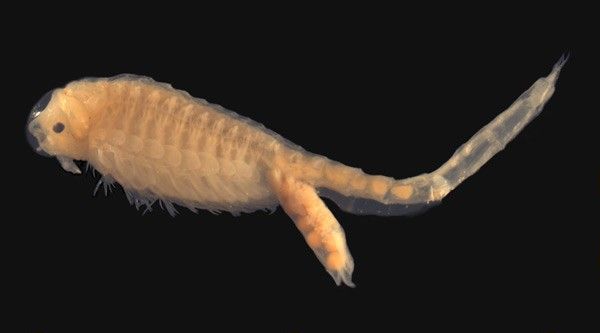
Branchinecta brushi
species of crustacean
Branchinecta gaini
species of crustacean

Sea-Monkeys
Sea-Monkeys is a marketing term for brine shrimp (Artemia) sold as novelty aquarium pets. Developed in the United States in 1957 by Harold von Braunhut, they are sold as eggs intended to be added to water, and most often come bundled in a kit of three pouches and instructions. Sometimes a small tank and additional pouches are included. The product was marketed in the 1960s and 70s, especially in comic books, and remains a presence in popular culture.
Streptocephalus gracilis
species of crustacean
Streptocephalus dendyi
species of crustacean
Streptocephalus kargesi
species of crustacean
ephippia
thumb|right|Resting egg pouch (ephippium) and the juvenile daphnid that just hatched from it
Streptocephalus moorei
species of crustacean
Streptocephalus guzmani
species of crustacean
Streptocephalus dendrophorus
species of crustacean
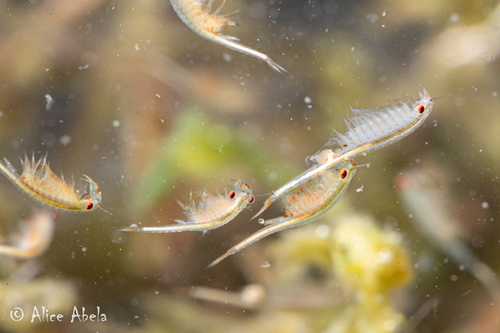
Linderiella occidentalis
species of crustacean
Kazacharthra
Kazacharthra is an extinct order of branchiopod crustaceans that appear to be closely related to the living order Notostraca (the tadpole shrimp). Kazacharthrans lived in marshes and ponds in the Upper Triassic of Western China and Mongolia, and in Lower Jurassic Kazakhstan (where their fossils were first found, hence the name). It is presumed that the kazacharthrids lived much like their living relatives, in that they were opportunistic omnivores that fed on any available food source, from bacterial biofilms to detritus to smaller animals that could be overpowered (i.e., fairy shrimp, small o